
Asbestos Testing in Temecula Homes: What Every Buyer and Seller Needs to Know
By Orlando Martinez · October 6, 2026 · 5 min read
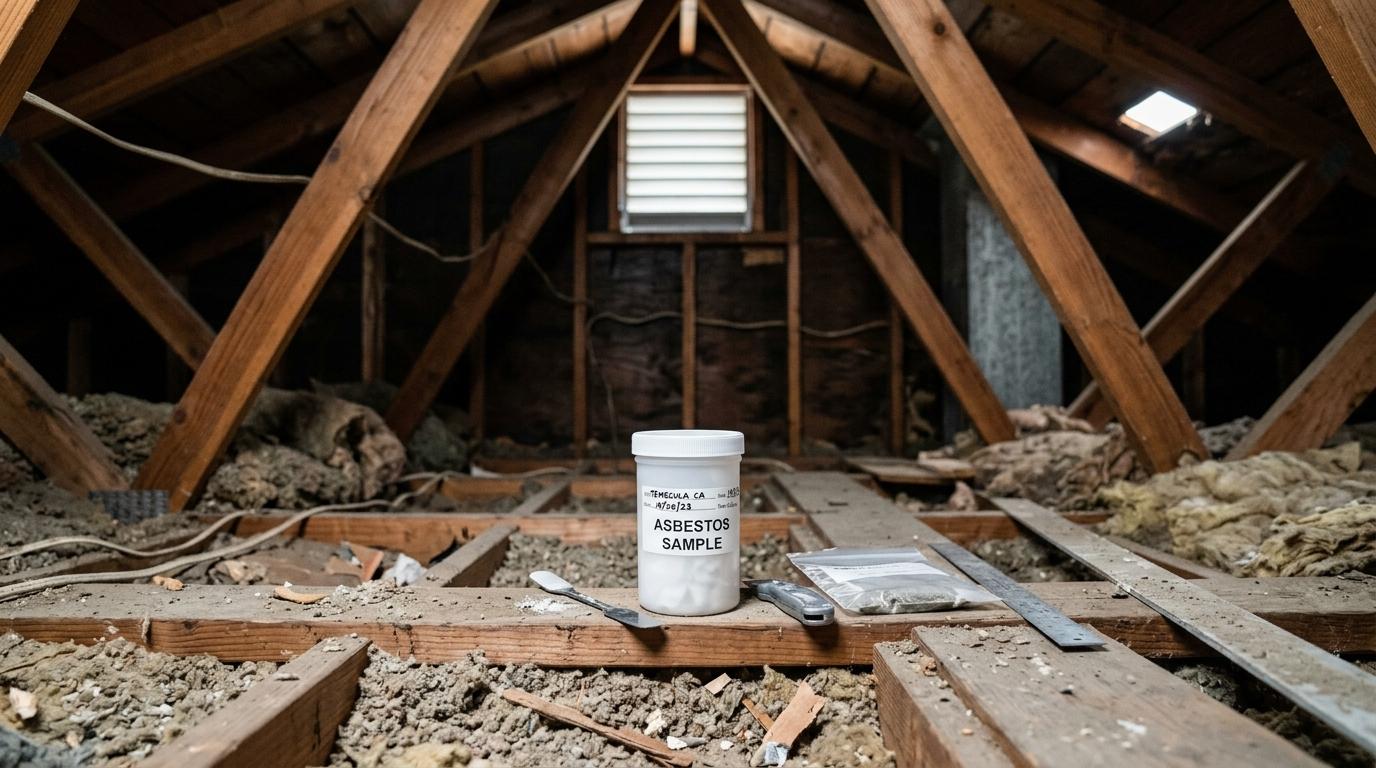
Temecula’s rapid growth means many older homes are being bought, sold, or renovated each year. A common surprise for buyers and sellers is the presence of asbestos‑containing materials—especially in homes built before the 1980s. Orlando Martinez, lead inspector at Marine One Property Inspections, often finds clients worried after a renovation uncovers crumbling insulation or a pipe that looks like "white, fluffy" material. In a recent inspection of a 1975 ranch‑style home in the Wine Country area, the homeowner’s DIY removal of attic insulation released dust that triggered a health alarm. This is why a focused asbestos test, performed before any work begins, can protect health and keep a transaction on track.
In Temecula and the surrounding Inland Empire, the climate—dry summers and occasional heavy rains—doesn’t erase the legacy of older building practices. Asbestos was once prized for fire resistance and durability, and it was used in a variety of residential applications. Understanding the local history helps us target the right places for testing.
Why Asbestos Still Appears in Southern California Homes
- Age of the housing stock – Many neighborhoods in Temecula, Murrieta, and the greater Riverside County contain homes built in the 1960s‑1970s. Those structures often have asbestos‑laden floor‑tile adhesives, pipe insulation, and popcorn ceilings.
- Renovation triggers – When a homeowner in Orange County replaces a roof or updates a bathroom, hidden asbestos can be disturbed. The dust becomes airborne and poses a health risk, especially for anyone with pre‑existing lung conditions.
- Local building practices – Contractors in the San Diego and San Bernardino areas historically used asbestos‑containing joint compounds for exterior stucco and interior plaster. Even today, some older commercial properties in Anaheim still retain those original finishes.
Because the health effects of asbestos exposure can take years to manifest, the safest approach is proactive testing. It’s not a matter of “if” but “where” and “when” you should look.
If you’re planning a sale, a remodel, or simply want peace of mind, the next step is a systematic inspection that pinpoints the likely locations of asbestos.
How Marine One Detects Asbestos – Our Testing Process
- Visual walk‑through – Orlando Martinez and his team start with a thorough visual inspection, noting any material that matches known asbestos‑containing profiles (e.g., corrugated roofing, cement board, old insulation).
- Targeted sampling – Using a certified containment kit, we collect small fiber samples from suspect areas. The process follows EPA and OSHA guidelines to prevent contamination of the home environment.
- Laboratory analysis – Samples are sent to an accredited lab for Phase Contrast Microscopy (PCM) or Transmission Electron Microscopy (TEM) testing. Results typically return within 5‑7 business days.
- Report delivery – We provide a clear, photo‑documented report that explains where asbestos was found, the type of material, and recommended next steps, such as professional abatement or monitoring.
Our service integrates with other Marine One capabilities. For example, if asbestos is found in pipe insulation, we can follow up with a Sewer Camera Scoping to assess the condition of the pipe without disturbing it further. This holistic approach reduces the need for multiple contractors and keeps the inspection timeline short.
Common Areas to Test in Temecula and Surrounding Cities
Typical locations where asbestos shows up in the Temecula region include:
- Attic and crawl‑space insulation – Especially the fluffy white or gray insulation that was popular before the 1990s.
- Floor‑tile adhesives – Vinyl or linoleum flooring in homes built before 1980 often used asbestos‑filled glue.
- Popcorn ceilings – The textured finish common in 1970s houses can hide asbestos fibers.
- Exterior stucco and siding – Older cement‑based stucco in San Diego‑area homes may contain asbestos fibers.
- Pipe and boiler insulation – Black, rubbery sleeves around hot water or heating pipes, especially in older commercial properties in Anaheim and Riverside.
Image Description: a dimly lit attic with exposed wooden rafters, a roll of old white insulation lying across a joist, and a small dust sample container placed on the floor.
When to Test: Seasonal and Renovation Triggers
The best time to schedule asbestos testing depends on what’s happening in the home:
- Before any demolition or remodeling – Whether you’re replacing a bathroom tile in Orange County or adding a deck in the Inland Empire, testing first avoids accidental fiber release.
- During a home sale – Sellers in Temecula often request an asbestos inspection to provide buyers with a clean bill of health, smoothing the escrow process.
- After water intrusion – A burst pipe in a San Bernardino property can damage insulation, potentially releasing fibers. A quick test can confirm whether abatement is needed.
- In dry summer months – The low humidity in Temecula’s summer reduces dust settling, making it easier to collect a clean sample.
Image Description: a close‑up of a cracked concrete driveway in Riverside with a small section of exposed pipe insulation, a handheld camera, and a sealed sample bag nearby.
Getting Reliable Results and Next Steps
After the lab returns the results, we walk you through what they mean:
- No asbestos detected – You can proceed with confidence, but keep documentation for future reference, especially if you plan to sell the home.
- Asbestos present – We recommend a licensed abatement contractor to remove or encapsulate the material safely. In some cases, containment and regular monitoring are sufficient, especially for low‑risk areas like an attic that is not frequently accessed.
- Partial findings – If only a few spots test positive, you can prioritize those locations for remediation while scheduling additional testing for other suspect areas.
Marine One Property Inspections can also coordinate follow‑up services such as Mold Air Quality Testing or a Drone Roof Inspection to ensure that any remediation work hasn’t introduced new moisture problems.
Remember, an asbestos test is a snapshot of one moment in time. Ongoing maintenance, proper ventilation, and professional remediation when needed keep your home safe for years to come.
Take the Next Step with Marine One Property Inspections
If you’re buying, selling, or renovating a property in Temecula, the surrounding Inland Empire, or any of the neighboring cities, a focused asbestos inspection can save you headaches down the road. Orlando Martinez and the Marine One team are ready to answer your questions, schedule a convenient inspection, and provide the clear, documented results you need to make informed decisions. Reach out today—let’s protect your home and your health together.