
Buyer’s Checklist: How Drone Roof Inspections Protect Temecula Homebuyers
By Orlando Martinez · September 20, 2026 · 4 min read
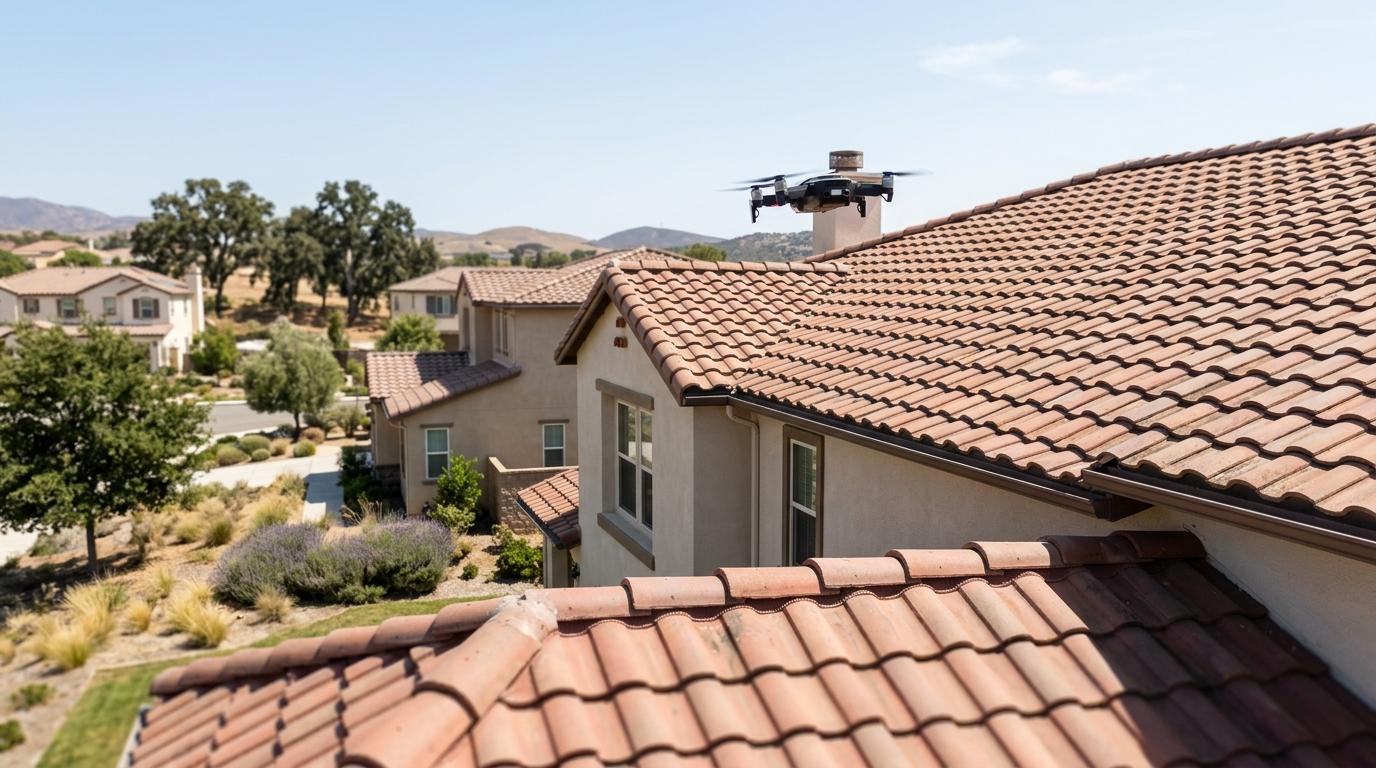
When the Temecula sun beats down on a new roof, the first thing most buyers notice is the sparkle of the shingles or tiles. But that shine can hide cracked tiles, loose fasteners, or early‑stage water intrusion that only a close look can reveal. As a longtime inspector in Temecula and the surrounding Inland Empire, I’ve seen buyers lose deposits because a roof issue was discovered after the contract was signed. A drone roof inspection puts that risk back in the buyer’s hands before you make an offer.
In this checklist we’ll walk through why a drone‑based survey matters, what you’ll actually see in the report, and how the data can shape your negotiation strategy.
Why a Drone Inspection Beats a Ladder Walk‑Around
- Safety first – Climbing a ladder on a steep‑pitch roof in a hot September afternoon is risky. A drone stays on the ground while capturing high‑resolution images.
- Full coverage – Drones can hover over every ridge, valley, and skylight in a single flight, something a ladder‑based visual often misses.
- Speed – In Temecula’s dry climate, a roof can be inspected in under 30 minutes, freeing you to keep the home‑buying timeline moving.
- Documentation – High‑definition photos and video are stamped with date and GPS coordinates, giving you a verifiable record for the seller and your lender.
- Specialized views – When paired with our thermal imaging camera, the drone can highlight hidden moisture or heat loss that a standard visual cannot detect.
These advantages are why Marine One Property Inspections relies on drone technology for every residential roof assessment, from a suburban ranch in Temecula to a newer condo in Orange County.
Spotting Roof‑Age Issues Unique to Southern California
Southern California homes often feature three common roof types: composite shingles, clay tiles, and flat low‑slope membranes. Each has climate‑specific wear patterns:
- Composite shingles – The intense UV exposure in Temecula can cause granule loss and brittleness after 15‑20 years. Look for uneven color fading and exposed nail heads.
- Clay tiles – Heat expansion can crack the glaze, especially after the hot summer months. Cracked tiles let water seep into the underlayment.
- Flat membranes – With limited drainage, ponding water after a rare rainstorm in the Inland Empire can accelerate membrane blistering.
A drone’s bird‑eye view makes it easy to spot these patterns across the entire roof, flagging sections that may need a professional repair estimate before you commit to a purchase.
How Drone Data Helps You Negotiate and Plan Repairs
When the drone survey is complete, Marine One delivers a concise report that includes:
- Annotated photos – Red circles highlight cracked tiles, loose flashing, or damaged soffits.
- Thermal map (if requested) – Shows cooler spots that may indicate moisture behind the roof deck.
- Roof age estimate – Based on material wear and visual cues, we give you a realistic lifespan outlook.
- Repair cost guide – While not a formal estimate, we outline typical price ranges for common fixes in Temecula and Riverside.
Armed with this data, you can:
- Request a seller‑paid repair or a price reduction that reflects the expected cost.
- Prioritize immediate safety concerns (e.g., loose shingles that could fall during a wind event).
- Plan a phased renovation schedule if you’re buying a fixer‑upper in San Bernardino.
The clarity a drone report provides often turns a vague “roof looks okay” into a concrete negotiation point.
What the Inspection Looks Like
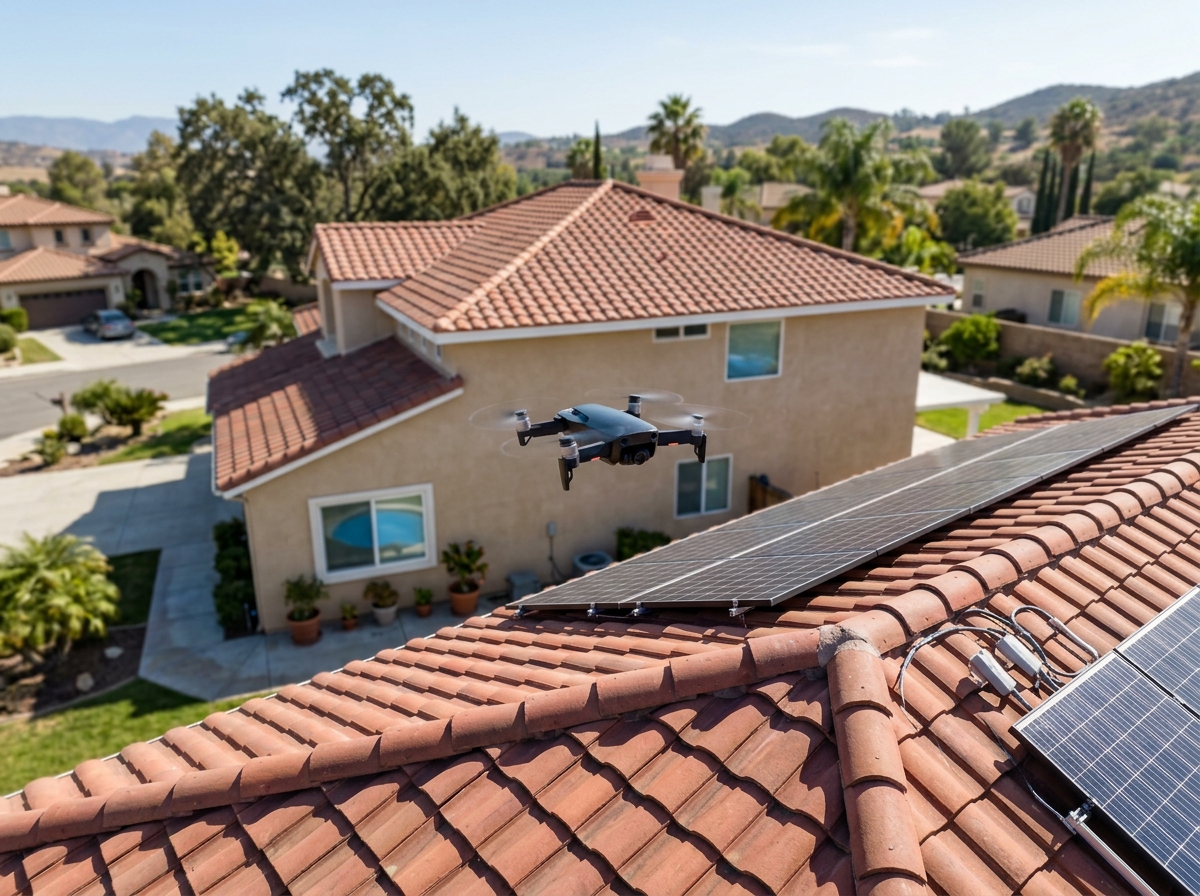
- Pre‑flight briefing – We confirm roof access, note any obstacles (like solar panels), and discuss any specific concerns you have.
- Flight – Using an FAA‑Part 107 licensed drone, we capture 4K video and stills while staying within the legal flight envelope.
- Post‑flight review – I, Orlando Martinez, review the images on‑site, noting any areas that need a closer look with a ladder or a crawl‑bot inspection.
- Report delivery – Within 24 hours you receive a digital report you can share with your agent, lender, and contractor.
Because the drone is just one tool in our suite, we can follow up with a traditional crawl‑bot foundation check or a radon test if the roof condition suggests interior moisture concerns.
What to Expect During a Marine One Drone Roof Inspection
- Schedule – Inspections are typically booked within 2‑3 business days. We serve Temecula, nearby San Diego, Orange County, and the broader Inland Empire, so we can often fit you into the same day as a home walkthrough.
- Preparation – No special preparation is needed from the homeowner. Just make sure pets are secured and any obvious roof obstructions (like large satellite dishes) are noted.
- Safety compliance – Our drone pilots are FAA‑Part 107 licensed, and we follow all local flight restrictions, especially near the nearby San Diego County airports.
- On‑site walkthrough – After the drone flight, I walk the property with you to point out any findings in real time, answering questions about the roof’s condition, the local climate impact, and next steps.
- Report – You’ll receive a PDF with annotated images, a brief narrative, and a list of recommended follow‑up actions (e.g., a full roof replacement estimate or a simple repair).
The process is quick, non‑intrusive, and designed to give you confidence before you sign any paperwork.
If you’re ready to add a drone roof inspection to your buyer’s checklist, or if you have questions about how the data fits into your home‑buying timeline, reach out to Marine One Property Inspections. Orlando Martinez and the team are happy to walk you through the process, answer any concerns, and schedule a flight that works with your viewing schedule. A clearer view of the roof today can save you time, money, and stress tomorrow.