
Checking Water Pressure in Temecula Homes: A Practical Guide from Marine One Property Inspections
By Orlando Martinez · October 26, 2026 · 4 min read
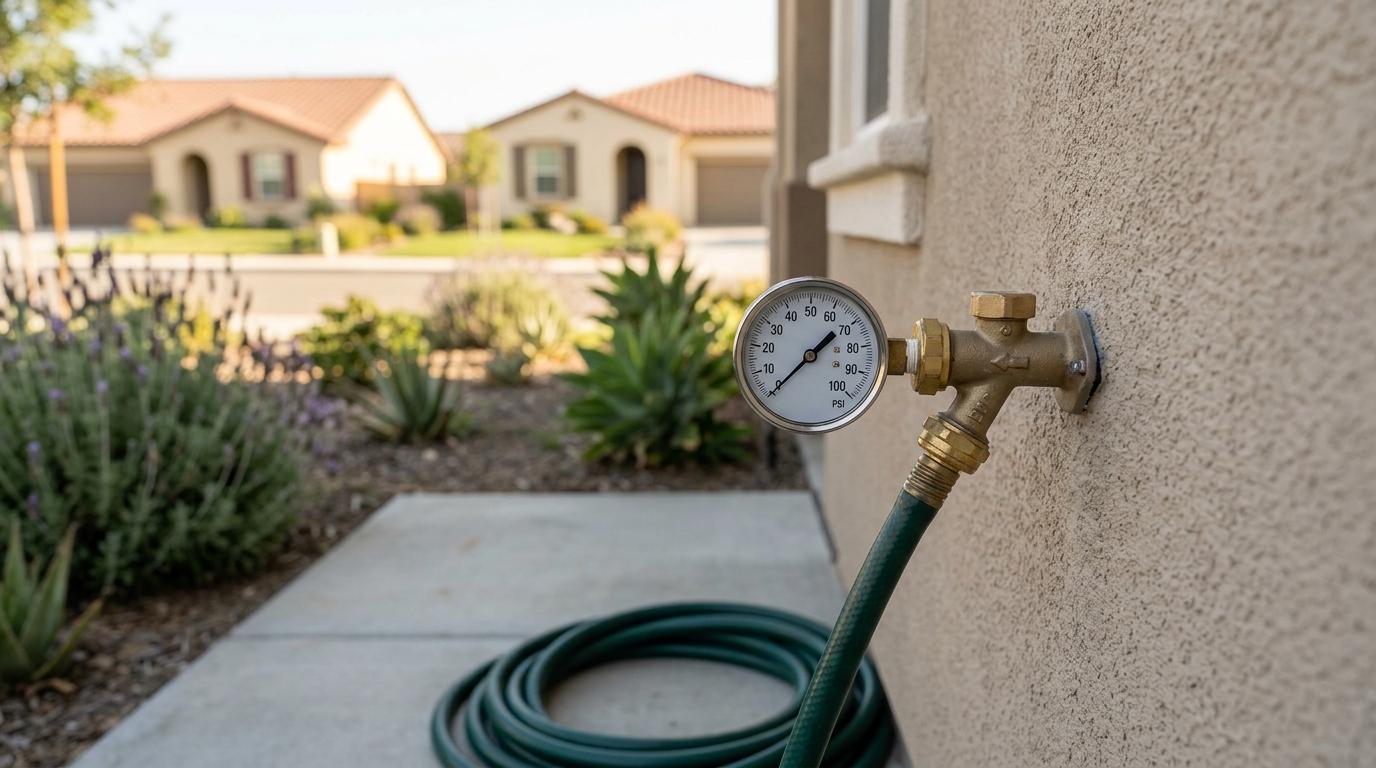
When a Temecula homeowner steps into the shower on a sweltering July afternoon and the water sputters like a garden hose, the first question is often “Is this normal?” In the rolling hills of the Inland Empire, water pressure can feel different from one neighborhood to the next, especially after a new sprinkler system is installed or an older pipe starts to corrode. This guide walks you through the quick checks you can do yourself, why the numbers matter, and when the expertise of Orlando Martinez and Marine One Property Inspections becomes essential.
Why Water Pressure Matters in Southern California Homes
- Comfort and efficiency – Adequate pressure (typically 40‑60 psi) ensures that showers, dishwashers, and irrigation run smoothly without wasting water.
- Protecting fixtures – Too high a pressure can stress faucets, valves, and appliances, leading to leaks or premature wear. Too low a pressure can cause sludge buildup in appliances and reduce cleaning performance.
- Detecting hidden problems – Sudden changes often signal issues like a leaking pipe, a failing pressure regulator, or sediment buildup in the municipal supply line that is common in older ranch‑style homes across Riverside and San Bernardino.
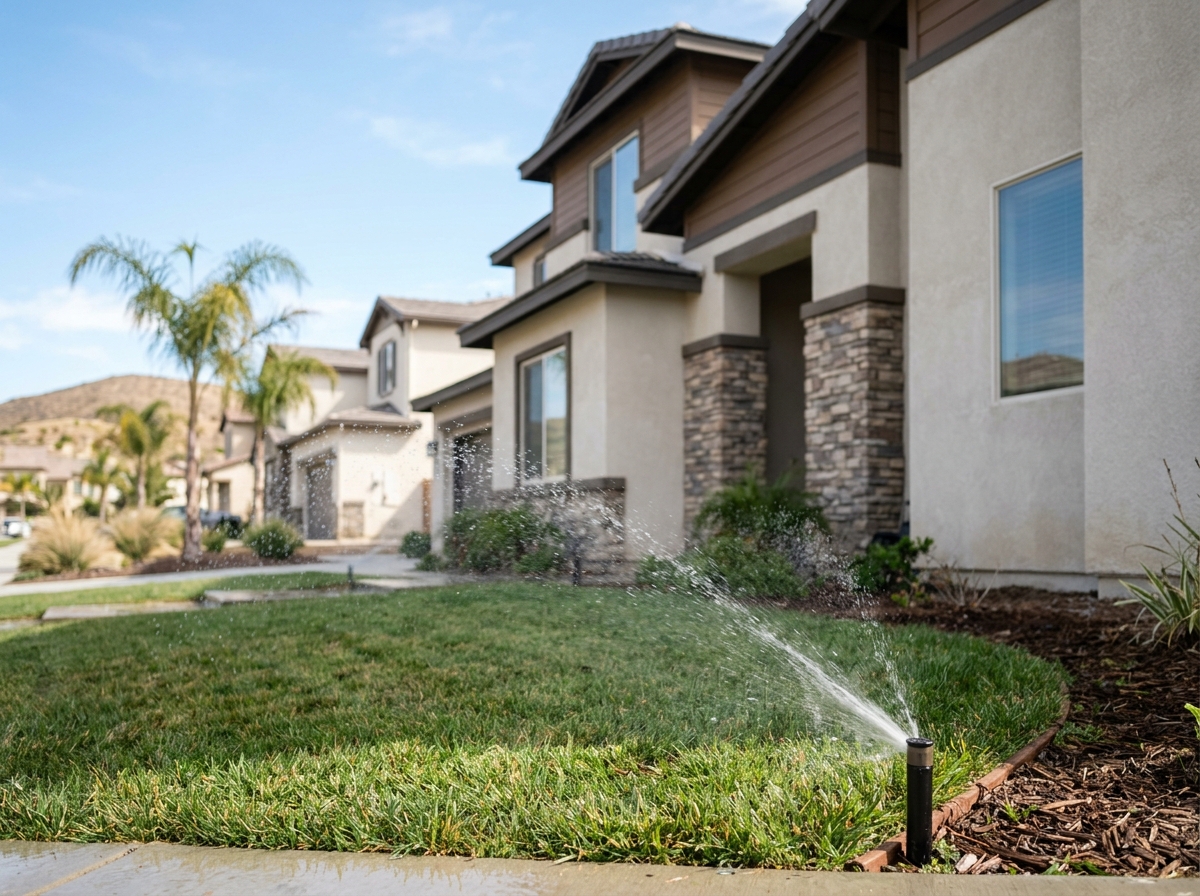
In Temecula’s hot, dry climate, homeowners often run multiple outdoor sprinklers during the early morning. Consistent pressure helps avoid over‑watering and protects the soil’s structure, which is especially important for the region’s native Mediterranean‑type gardens.
Tools You Can Use to Measure Pressure
The most reliable way to check pressure is with a simple handheld water pressure gauge. These gauges attach to a standard ½‑inch faucet (often the outside hose bib) and display the pressure in pounds per square inch (psi).
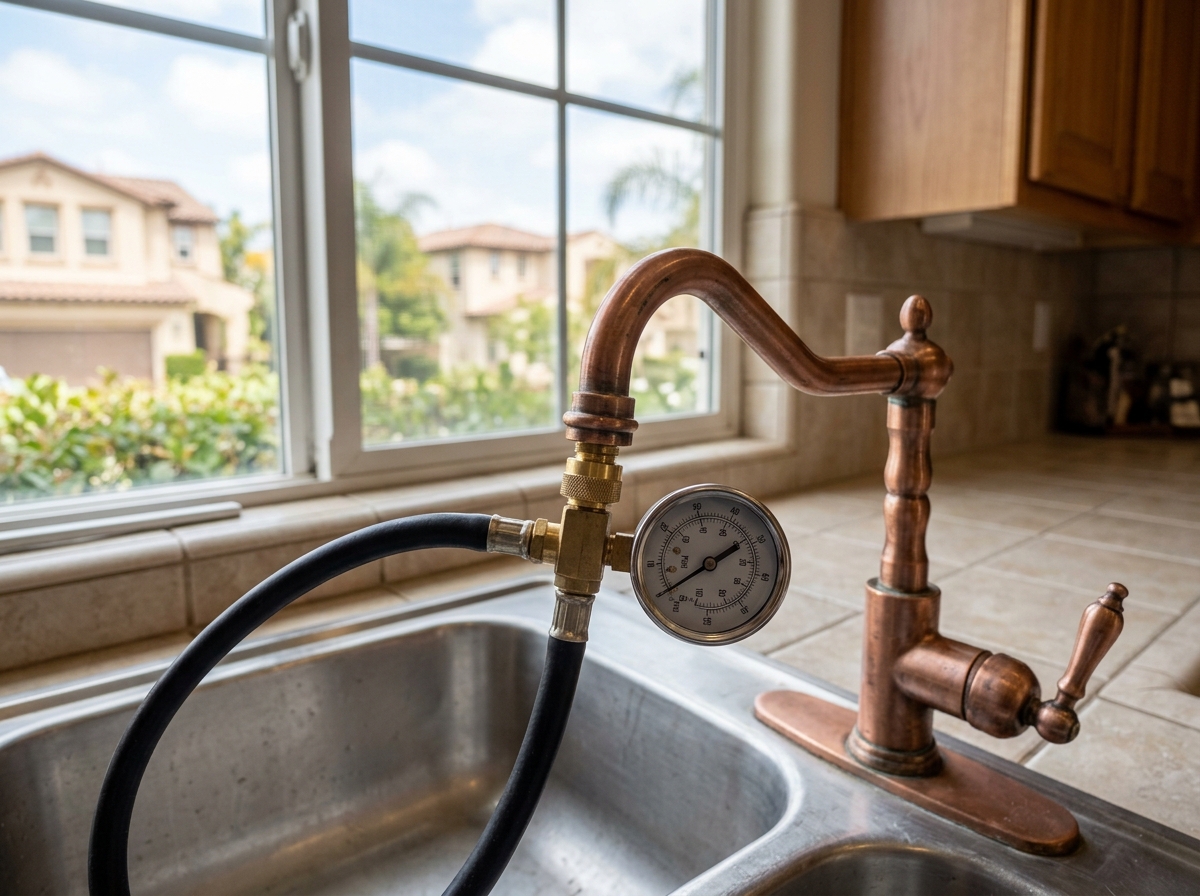
- Locate a faucet – Choose an outdoor spigot or a kitchen sink faucet that’s rarely used for other purposes.
- Attach the gauge – Screw the gauge onto the faucet until it’s snug; avoid cross‑threads.
- Turn the water on fully – Open the faucet completely and read the gauge. A reading between 40 and 60 psi is typical for most Temecula residences.
- Repeat in a few locations – Checking a second faucet (e.g., a bathroom sink) helps confirm whether the issue is isolated or system‑wide.
If the gauge consistently reads above 75 psi, you may have an oversized municipal supply or a pressure‑regulating valve that’s set too high. Below 30 psi often points to a restriction, leak, or a failing pump in a private well.
Common Causes of Low or High Pressure in the Area
- Municipal pressure regulator – The city’s water authority may adjust the regulator seasonally; Temecula’s summer demand can cause a drop in pressure.
- Corroded or clogged pipes – Older copper or galvanized lines, common in homes built before the 1990s in the Inland Empire, can accumulate mineral deposits that restrict flow.
- Partially closed shut‑off valves – Homeowners sometimes turn valves to conserve water; a valve that isn’t fully open will choke the system.
- Leaking fixtures or hidden pipe leaks – A small leak behind a wall or under a slab can lower overall pressure while wasting gallons.
- Well pump issues – For properties in the outskirts of San Diego County that rely on private wells, a failing pump can cause both low pressure and intermittent flow.
- High‑rise or multi‑unit buildings – In commercial or multi‑unit inspections, pressure can be uneven due to pipe sizing and demand loads, which is why Marine One’s commercial expertise often includes pressure‑balance assessments.
Identifying the root cause early can prevent bigger problems like water‑hammer damage or costly pipe replacements later on.
When to Call a Professional Inspector
While a DIY gauge gives you a snapshot, interpreting the results in the context of a home’s age, plumbing layout, and local water authority standards often requires a trained eye. Orlando Martinez and the team at Marine One Property Inspections can:
- Perform a full plumbing system review during a residential property inspection, checking for hidden leaks, pipe material, and pressure‑regulating devices.
- Use sewer camera scoping to locate underground leaks that may be silently reducing pressure.
- Offer thermal imaging to spot hidden pipe insulation failures that affect flow, especially in homes with older concrete walls in the Inland Empire.
- Provide drone roof inspections to ensure that rooftop water tanks or pressure‑boost systems are correctly installed and sealed.
If you notice persistent low pressure, water hammer, or unusual noises, schedule an inspection. A professional assessment can save you from unnecessary water‑damage repairs and help you negotiate repairs when buying or selling a property.
If you’ve measured your water pressure and something feels off, you don’t have to troubleshoot alone. Orlando Martinez and Marine One Property Inspections are ready to answer your questions, run a thorough on‑site assessment, and help you understand the next steps. Whether you’re a buyer in Temecula, a seller preparing a home for the market, or a homeowner dealing with a stubborn pressure problem, give us a call or drop us a message. We’re here to make sure your water system works as reliably as the sunny Southern California climate you love.