
Common HVAC Issues in Temecula Homes: What Your Inspector Looks For
By Orlando Martinez · September 22, 2026 · 3 min read
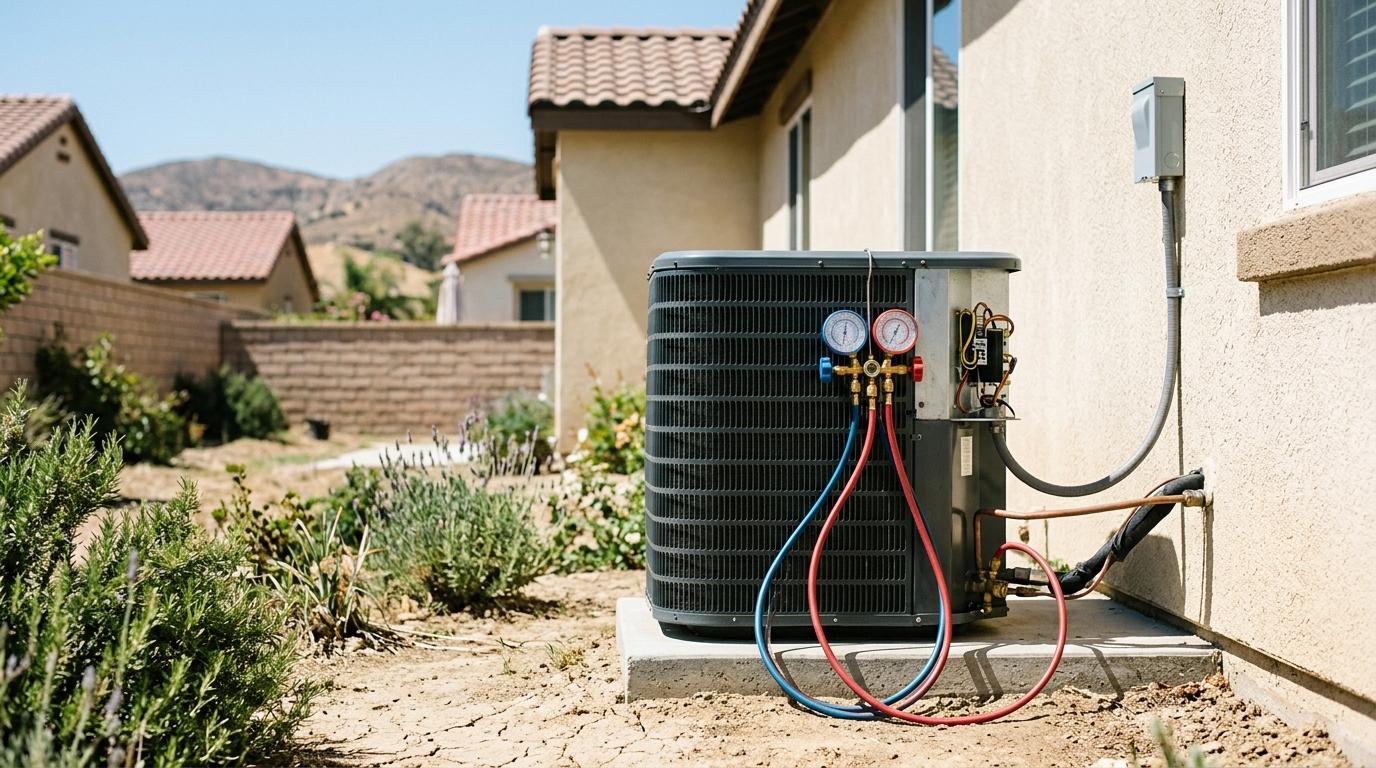
Why Temecula’s Climate Tests Your HVAC System
When the July sun climbs above 95°F in Temecula, the air‑conditioning units on many single‑family homes are working nonstop. A few weeks later, the cooler evenings of September can reveal hidden leaks or weakened components. As a longtime resident and lead inspector, Orlando Martinez has seen how the local climate—dry summer heat, occasional Santa Ana winds, and the occasional winter chill—exposes common HVAC shortcomings. That’s why a detailed inspection during a buyer’s walkthrough or a seasonal maintenance check can catch problems before they become costly repairs.
Aging Components and Seasonal Stress
What we look for:
- Worn or cracked fan belts – These can slip when the compressor works hard in peak summer, leading to reduced airflow.
- Compressor wear – Older compressors may overheat during long, hot days, especially in homes built before 2000 in the Inland Empire.
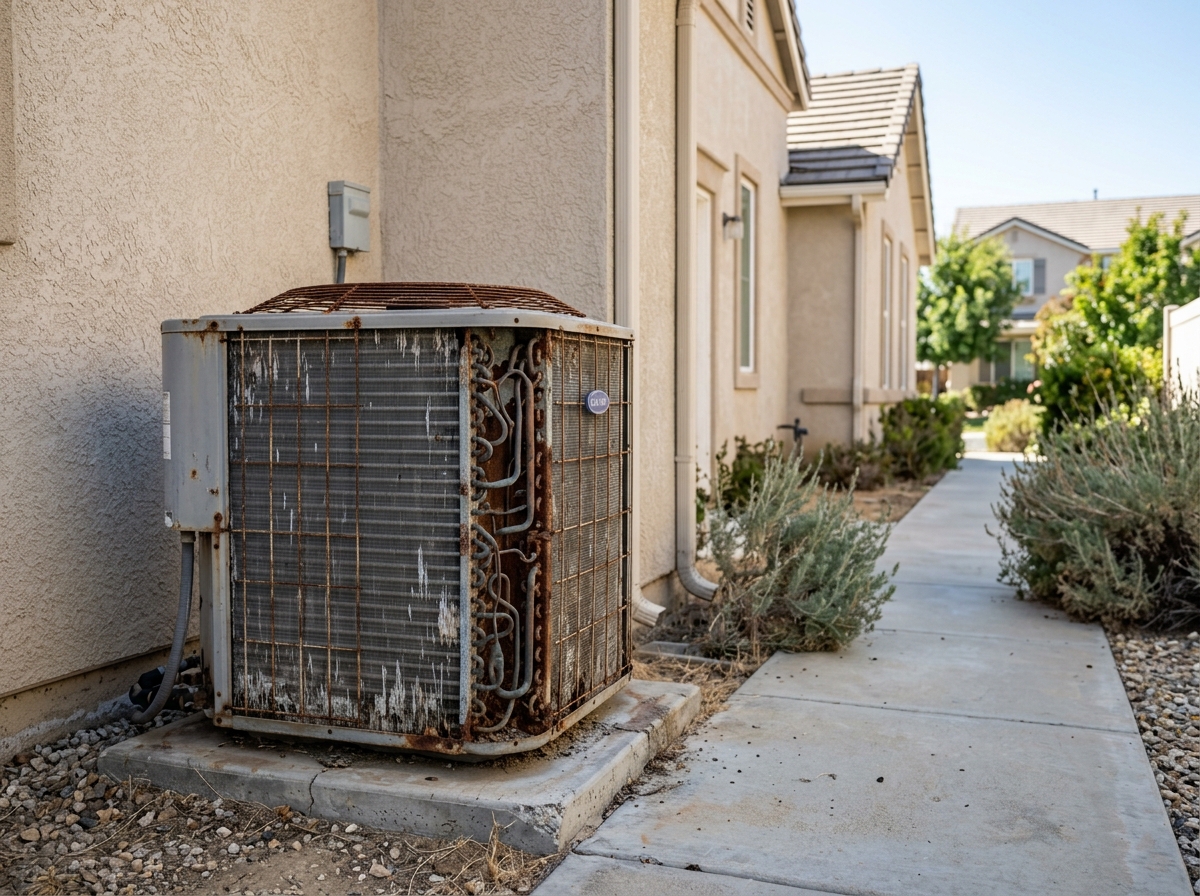
- Corroded outdoor coils – Coastal breezes from San Diego can bring salt and moisture that accelerate rust on the condenser fins.
- Insufficient refrigerant charge – A low charge shows up as the unit cycling on and off frequently, a symptom common in homes that have been relocated from Riverside to Temecula.
Why it matters: When any of these components fail, the system can lose efficiency, raise utility bills, and strain the indoor comfort of families.
Our approach: Using a drone roof inspection, we can safely view the rooftop condensers and verify that they are clear of debris and properly mounted. This visual assessment, combined with a hands‑on test of the outdoor unit, gives a clear picture of the system’s health.
Improper Installation and Ductwork Problems
Typical red flags:
- Undersized or oversized ductwork – In newer developments across Orange County, contractors sometimes size ducts for a “one‑size‑fits‑all” approach, which can cause uneven heating and cooling.
- Leaky joints – Gaps at connections or in attic spaces allow conditioned air to escape, a problem we frequently spot in older San Bernardino homes.
- Missing insulation – Ducts running through uninsulated crawl spaces lose temperature, increasing the load on the furnace or AC.
- Improper return placement – A return vent placed too low in a multi‑unit building can cause short‑cycling and uneven temperature distribution.
Impact on homeowners: Leaky or poorly sized ducts can raise energy costs by 10‑20% and create hot or cold spots that make rooms uncomfortable.
Our method: During the interior inspection, we perform a visual duct audit and use a handheld thermal camera to spot temperature differentials. When we identify a problem, we recommend a qualified HVAC contractor to reseal or resize the ductwork.
Indoor Air Quality Concerns: Filters, Mold, and Radon
Key observations:
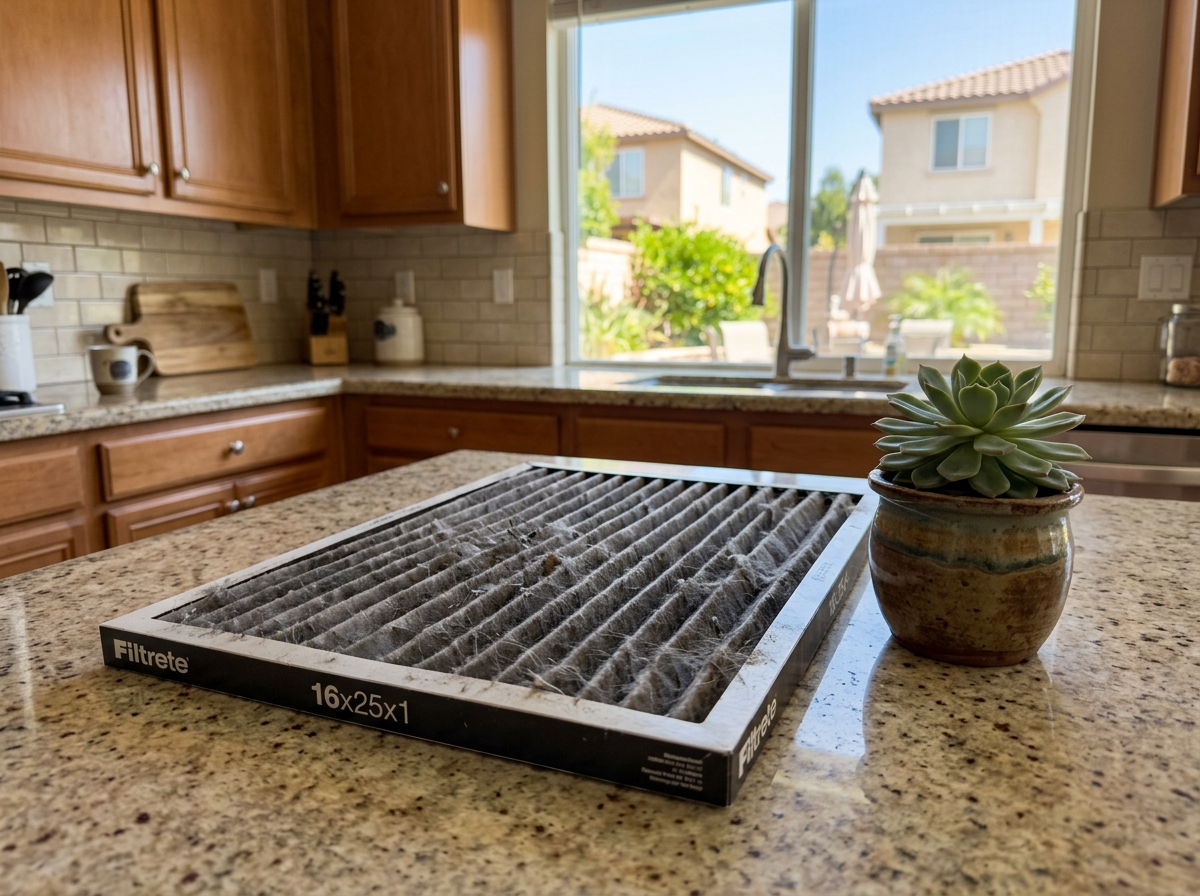
- Dirty or missing filters – Homeowners often forget to replace filters every 1‑3 months. In Temecula’s dusty summer, a clogged filter reduces airflow and forces the system to work harder.
- Mold growth in evaporator coils – The combination of high humidity from nearby lakes and a neglected filter can create a breeding ground for mold, which may affect indoor air quality.
- Radon intrusion – While radon is more commonly discussed with foundations, a poorly sealed HVAC return can allow radon‑laden soil gases to enter the living space.
Why you should care: Poor indoor air quality can trigger allergies, asthma, or other respiratory issues. In the Inland Empire, seasonal spikes in pollen and dust make filter maintenance especially critical.
Marine One services: We offer mold air‑quality testing and radon testing/monitoring as part of a comprehensive inspection package. If we detect a concern, we’ll advise you to schedule a follow‑up with a certified indoor‑air specialist.
Next Steps – Keep Your System Running Smoothly
A thorough HVAC review is just one piece of a complete home inspection. If you’re buying, selling, or simply want peace of mind about your comfort system, Orlando Martinez and the Marine One Property Inspections team can walk you through the findings and suggest practical next steps. Feel free to reach out with any questions about what we observed, or to schedule a full residential property inspection that includes the HVAC, roof, foundation, and indoor‑air assessments. We’re here to help you protect your investment and keep your home comfortable year‑round.