
Safety First: Detecting Carbon Monoxide in Orange County Homes
By Orlando Martinez · November 13, 2026 · 4 min read
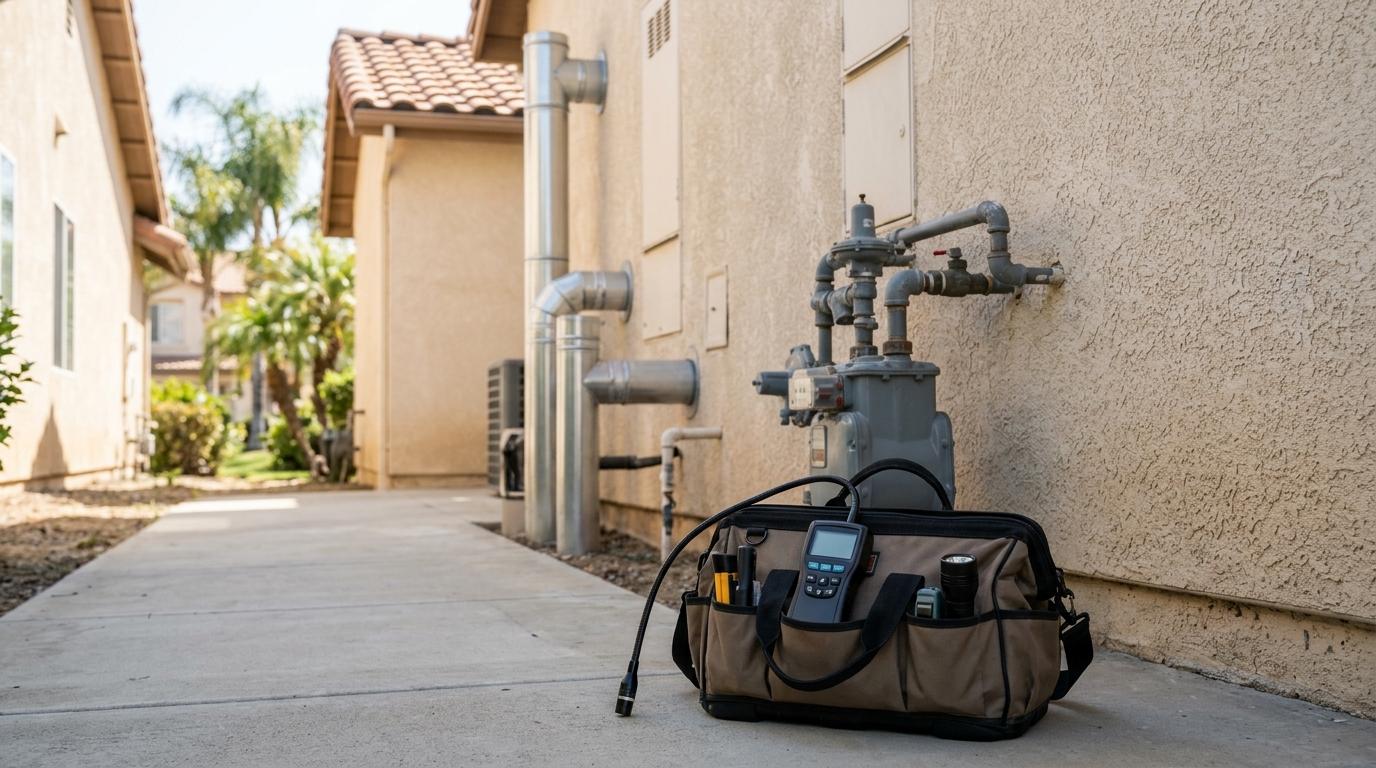
When a family in Anaheim noticed a persistent headache and nausea after dinner, the culprit turned out to be a faulty gas water heater. The incident sparked a conversation among my neighbors in Temecula about the invisible risk of carbon monoxide (CO) in our homes. As the lead inspector for Marine One Property Inspections, I see these stories far too often—especially in the Mediterranean‑climate neighborhoods of Orange County where gas appliances are common and homes are tightly sealed for energy efficiency. This post explains what CO is, how we detect it, and why a quick, professional check can keep your home safe.
Why CO Is a Hidden Threat in Southern California
Why Carbon Monoxide is a Hidden Threat in Southern California
- Fuel‑burning appliances – Gas stoves, fireplaces, and wall‑mounted water heaters are prevalent in Orange County homes, and a cracked vent or incomplete combustion can release CO.
- Tight building envelopes – Modern construction often prioritizes energy efficiency, which can trap pollutants inside the house.
- Seasonal patterns – Summer evenings bring families together around outdoor grills, while winter sees increased indoor heating; both periods raise the chance of CO buildup.
- Vehicle emissions – A common oversight is leaving a car running in an attached garage, a scenario that has caused several CO incidents in Riverside and San Bernardino suburbs.
Because CO is odorless and colorless, it’s impossible to detect without a sensor. The risk is not theoretical; the California Department of Public Health reports that CO poisoning remains a leading cause of accidental home deaths in the Inland Empire.
How We Test for CO – Tools and Process
How We Test for CO – Tools and Process
- Portable CO Monitor – We use a calibrated, InterNACHI‑approved handheld detector that logs ppm (parts per million) levels in real time.
- Strategic Placement – The monitor is positioned near each major fuel‑burning appliance, at a height of 3–5 feet, and also in the main living area where occupants spend the most time.
- Dynamic Testing – While the detector records, we run appliances (e.g., the furnace, water heater) to simulate normal usage. This helps reveal intermittent leaks that static testing might miss.
- Documentation – All readings are documented in the inspection report, with clear recommendations for remediation or further evaluation by a licensed HVAC technician.
Our approach aligns with the best practices recommended by the California Building Standards Commission, ensuring that homeowners receive reliable, actionable information.
When to Call a Professional – Real‑World Scenarios
When to Call a Professional – Real‑World Scenarios
- Unexplained Symptoms – Persistent headaches, dizziness, or flu‑like illness that improves when you leave the house.
- New or Recently Serviced Appliances – After installing a new gas stove or having a furnace serviced, a quick CO check can verify the work was done correctly.
- Renovations or Additions – Adding a garage, expanding a kitchen, or installing a fireplace creates new vent pathways that may need inspection.
- Seasonal Turn‑On – When you fire up a seasonal furnace or space heater for the first time each year, a CO scan is a low‑cost safety net.
- Older Homes – Many homes built before the 1990s in San Diego and Orange County still have legacy venting systems that can deteriorate over time.
If any of these situations sound familiar, it’s a sign to schedule a focused CO assessment. While a handheld detector provides a snapshot, a full home inspection can uncover related issues such as faulty venting, electrical problems, or even mold that thrives in damp, poorly ventilated spaces.
Integrating CO Testing with Other Inspections
Integrating CO Testing with Other Inspections
At Marine One Property Inspections we often bundle CO monitoring with complementary services:
- Radon Testing – Like CO, radon is a silent indoor pollutant; our radon‑certified team can place a 48‑hour test kit during the same visit.
- Mold Air‑Quality Testing – Moisture issues that lead to mold can also affect combustion appliance performance, so we check for both.
- Drone Roof Inspection – A roof that’s missing shingles or has clogged vents can force appliances to work harder, indirectly raising CO levels.
- CrawlBot Foundation Inspection – Moisture intrusion at the foundation can corrode vent pipes, creating leaks that release CO into the home.
By handling these inspections together, we give homeowners a comprehensive view of indoor‑air health, saving time and providing peace of mind across Temecula, the Inland Empire, and the surrounding coastal communities.
Protect Your Home Today
Protect Your Home Today
Carbon monoxide may be invisible, but the steps to keep it out are straightforward. If you own or are buying a home in Orange County, Temecula, or any of the surrounding areas, a professional CO assessment is a smart part of your safety checklist. Feel free to reach out to Marine One Property Inspections—whether you need a quick CO scan, a full residential inspection, or a combination of services like radon testing and drone roof surveys. We’re here to answer your questions and help you protect the people who matter most.