
How to Determine the Age of Your Water Heater in Temecula and the Greater Inland Empire
By Orlando Martinez · October 14, 2026 · 3 min read
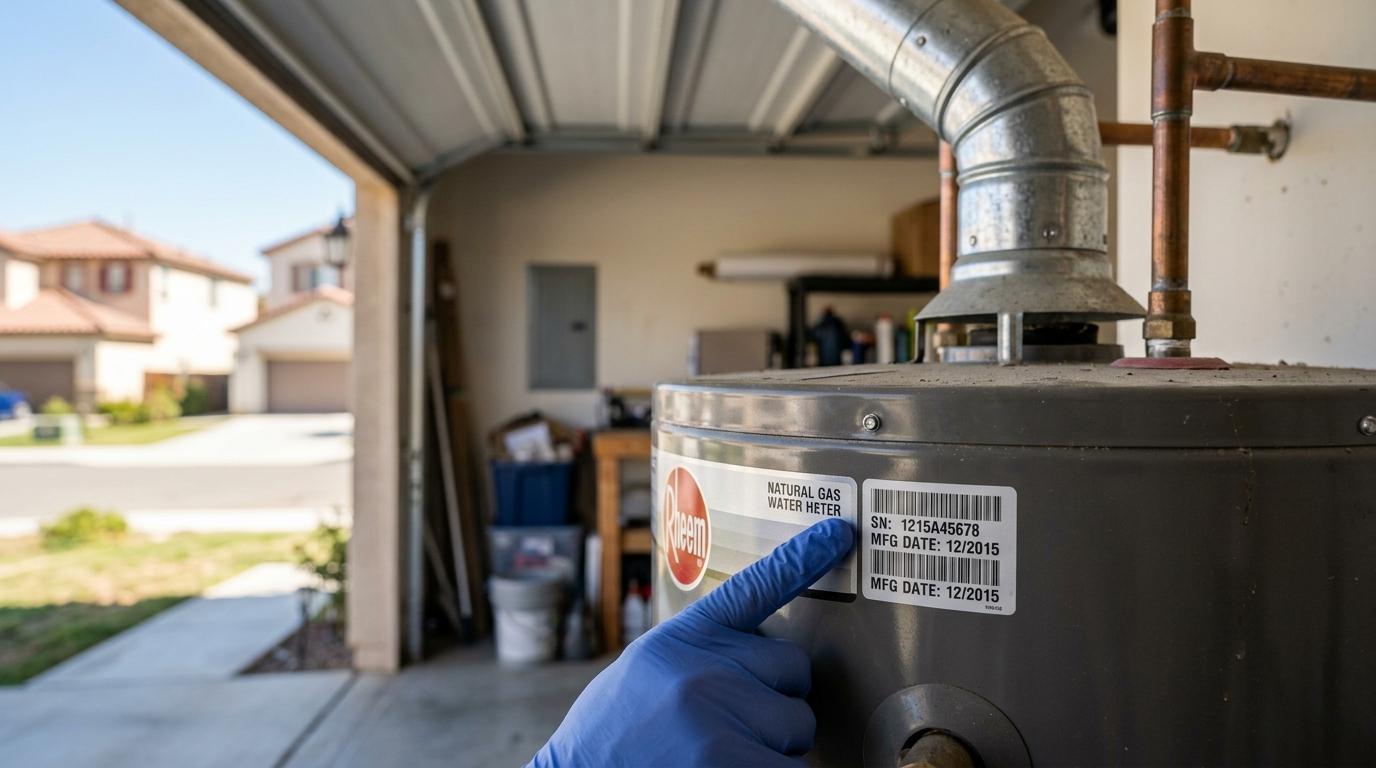
When the hot water in your Temecula home sputters or you spot a small drip on the side of the tank, the first question is often, “How old is this water heater?” Knowing the age helps you decide whether a repair will suffice or a full replacement is the safer bet.
Orlando Martinez, lead inspector for Marine One Property Inspections, sees these questions daily across Temecula, San Diego, Orange County, and the broader Inland Empire.
Understanding a heater’s lifespan lets you budget wisely, avoid unexpected failures, and keep your home’s plumbing system running smoothly.
Read the Manufacturer’s Data Plate
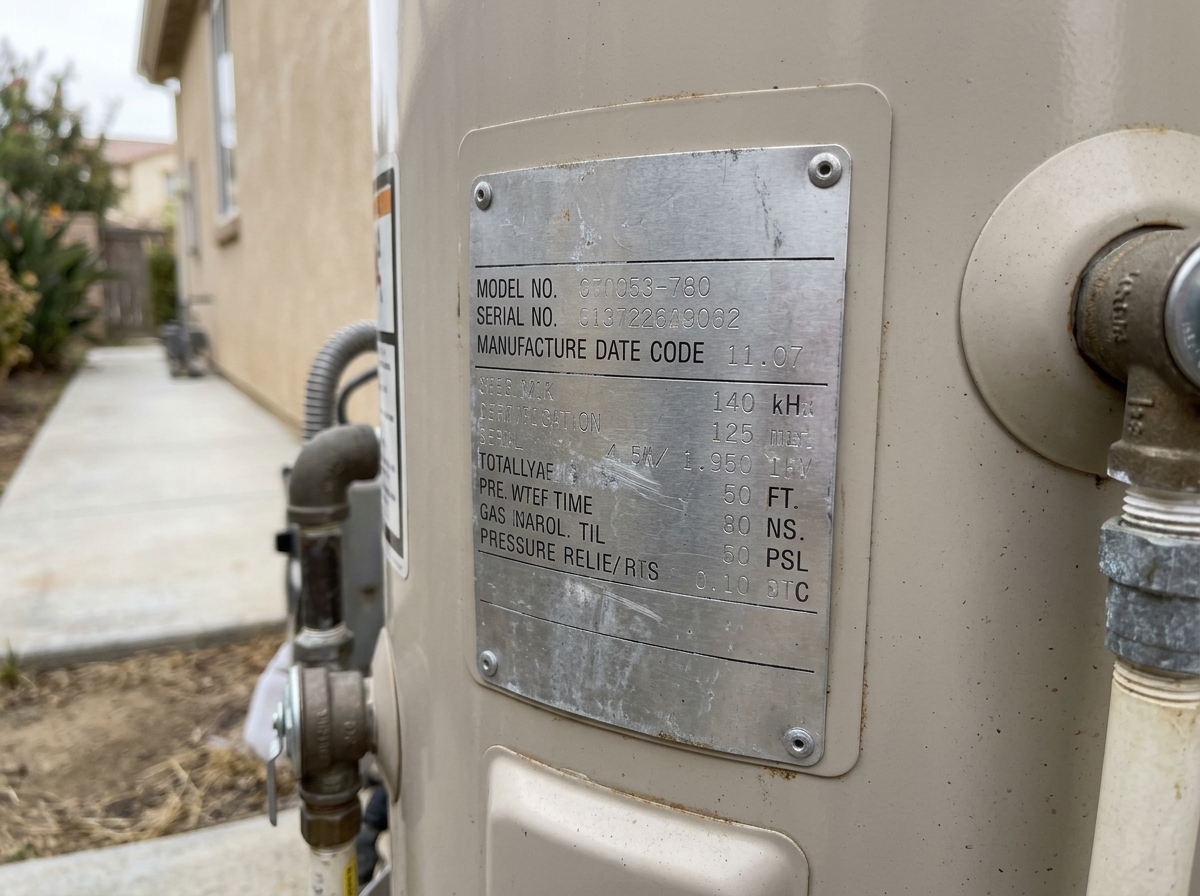
The easiest way to get a concrete date is to locate the metal data plate on the side of the tank.
- Location – Usually bolted near the bottom or on the front of the unit.
- What to look for – Serial number, model number, and a date code (often a two‑digit year followed by a month).
- Decoding – For many brands, the first two digits indicate the year of manufacture (e.g., “19” = 2019) and the next two the month.
A 2006 Rheem tank found on a Riverside ranch home still carries a plate that reads “06‑04,” confirming a 2006 build.
If the plate is missing or illegible, you’ve taken the first step toward a more detailed investigation.
Cross‑Reference the Home’s Permits and Inspection Records
Every time a water heater is installed, a building permit is typically required in Temecula and most of the surrounding cities.
- Permit records – Check the city’s online permit portal or ask the previous owner for the original paperwork.
- Inspection reports – A prior residential property inspection (or a seller’s inspection) often notes the heater’s age.
- Warranty documents – Manufacturers usually attach a warranty card with the purchase date; these can be found in the homeowner’s file box.
Marine One Property Inspections keeps copies of past inspection reports for many clients in San Bernardino and Anaheim, making it easy to pull a quick reference when you’re evaluating a home.
When permit data lines up with the data‑plate code, you have a reliable age estimate.
Inspect the Physical Condition for Age Clues
Even without paperwork, the heater’s condition can reveal its age.
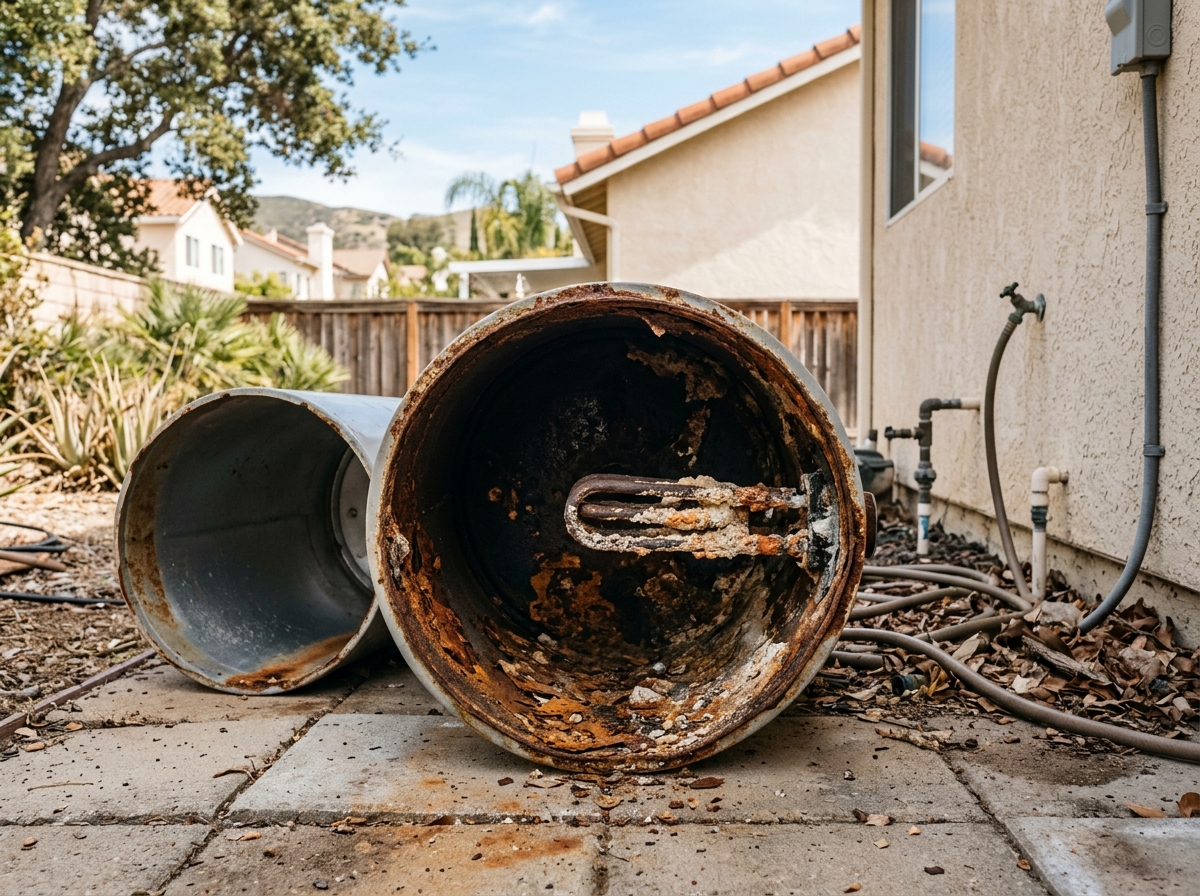
- Exterior corrosion – Rust spots, flaking paint, or a pitted surface usually indicate a unit that’s been in service for a decade or more.
- Interior scaling – Hard water common in the Inland Empire leaves mineral deposits that reduce efficiency; heavy scaling often means the tank is older.
- Tank style – Older homes (pre‑2000) often have large, steel‑tank models, while newer builds may feature compact, stainless‑steel or tankless units.
In Orange County, we’ve opened a 12‑year‑old tank and found a thick layer of white calcium buildup—a clear sign the heater has been working hard for many years.
Use Professional Tools When the Answer Isn’t Clear
If the data plate is missing and visual clues are ambiguous, a professional inspection can provide the missing piece.
- Thermal imaging – A handheld thermal camera can spot uneven heating patterns that often develop in older, failing tanks.
- CrawlBot inspection – For homes with a concealed heater in a crawl space, our CrawlBot can navigate tight areas and capture photos without disturbing the structure.
- Drone roof inspection – While primarily used for roof assessments, a drone can verify venting clearances that affect a tank‑type water heater’s performance.
Orlando Martinez, FAA‑Part 107 licensed drone pilot, routinely combines these tools to give homeowners a full picture of their plumbing and HVAC systems.
When age remains uncertain, a targeted inspection saves you from costly surprises later.
Next Steps – A Quick Check or a Full Inspection
Now that you know how to read the data plate, cross‑check permits, and inspect for wear, you can make an informed guess about your water heater’s age.
If you’re buying, selling, or simply want peace of mind, schedule a residential property inspection with Marine One Property Inspections. Orlando Martinez can verify the heater’s condition, run a thermal imaging scan, and include any other services you need—such as radon testing, mold air‑quality testing, or a sewer camera scope.
Feel free to reach out with questions or to set up an appointment; we’re here to help Temecula homeowners keep their homes safe and comfortable.