
El Niño Home‑Prep Checklist for San Diego Homeowners – Insights from Marine One Property Inspections
By Orlando Martinez · October 8, 2026 · 4 min read
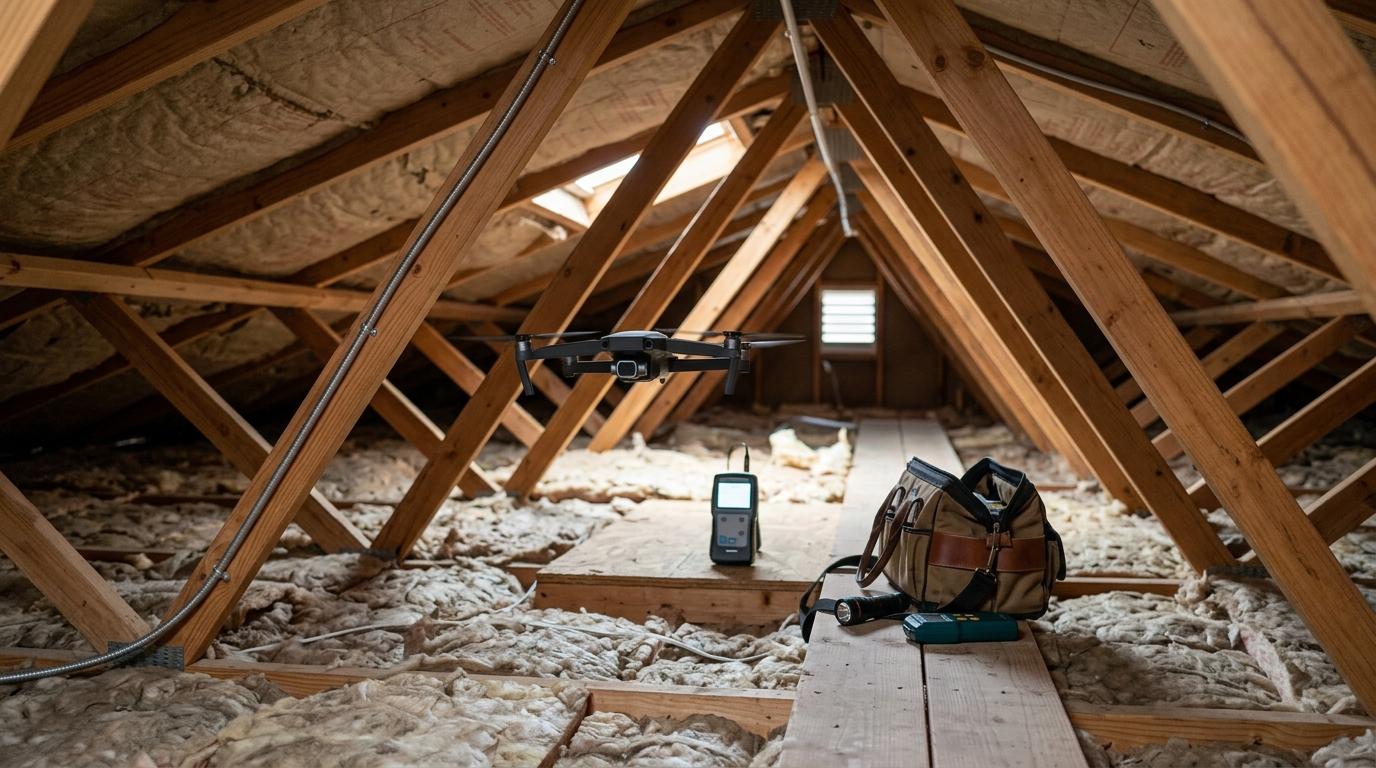
If you’ve ever watched the Pacific swell with dark clouds off the coast of San Diego, you know El Niño isn’t just a weather story—it’s a home‑maintenance event. In recent years, the pattern has brought heavier rain, stronger winds, and longer periods of humidity to neighborhoods from Temecula’s vineyard‑border homes to the coastal condos of Orange County. As a longtime inspector for Marine One Property Inspections, I’ve seen roofs buckle, foundations shift, and indoor air quality dip during an El Niño cycle. This guide walks you through the specific steps you can take now, before the next storm front arrives, to keep your property safe and comfortable.
Understanding El Niño’s Impact on San Diego‑Area Homes
Why El Niño matters locally
- Rainfall spikes – San Diego County can receive 30‑50 % more rain over a three‑month period, overwhelming gutters and drainage systems.
- Wind pressure – Coastal breezes turn into gusts that test roof connections and siding seams.
- Humidity linger – Prolonged moisture raises the risk of mold growth in attics, crawl spaces, and even indoor air.
For homeowners in Temecula, the Inland Empire, and surrounding foothill communities, the combination of heavy rain and wind can expose older construction details that newer builds in newer subdivisions often avoid. Recognizing these patterns early lets you target the most vulnerable parts of your home.
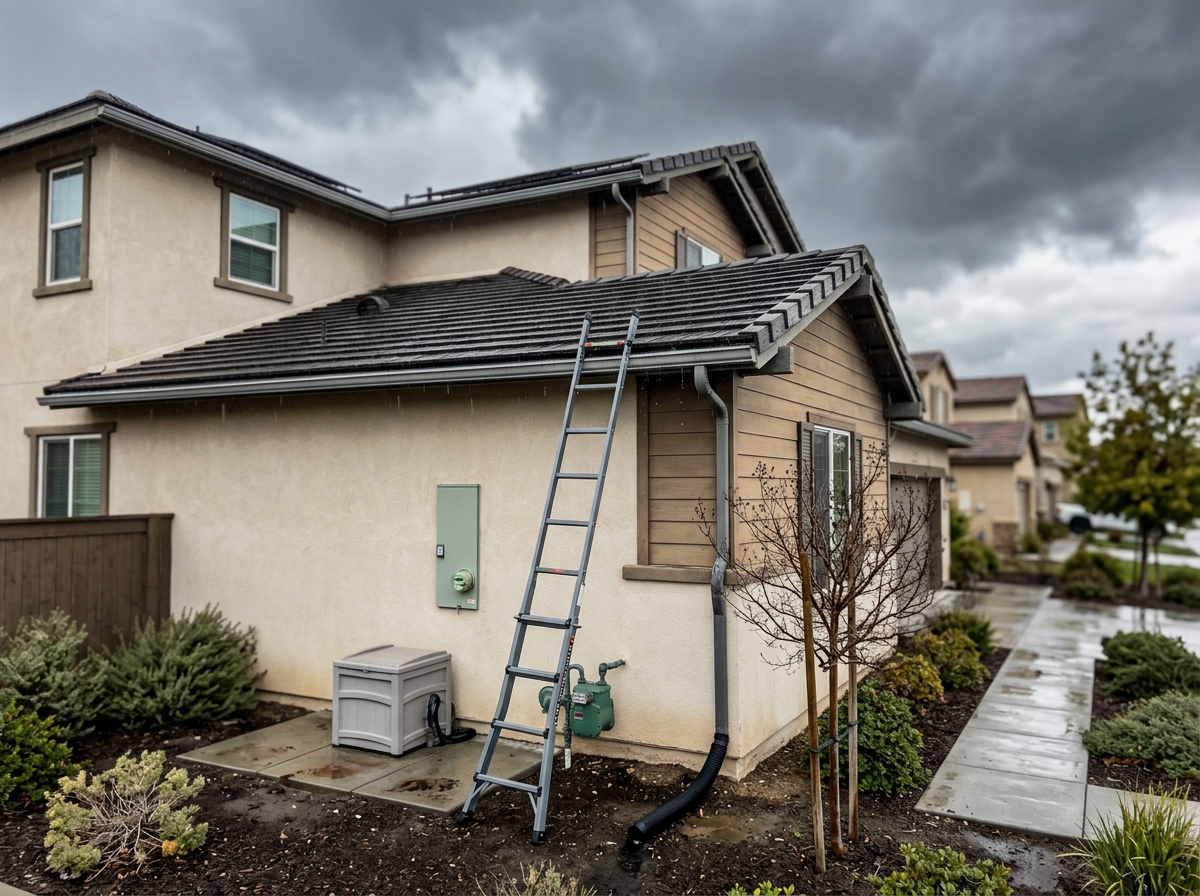
Image suggestion: a low‑angle view of a two‑story suburban home in the San Diego suburbs with dark storm clouds gathering over the roof, rain beginning to fall on the shingles.
Protecting Your Roof and Exterior
First line of defense
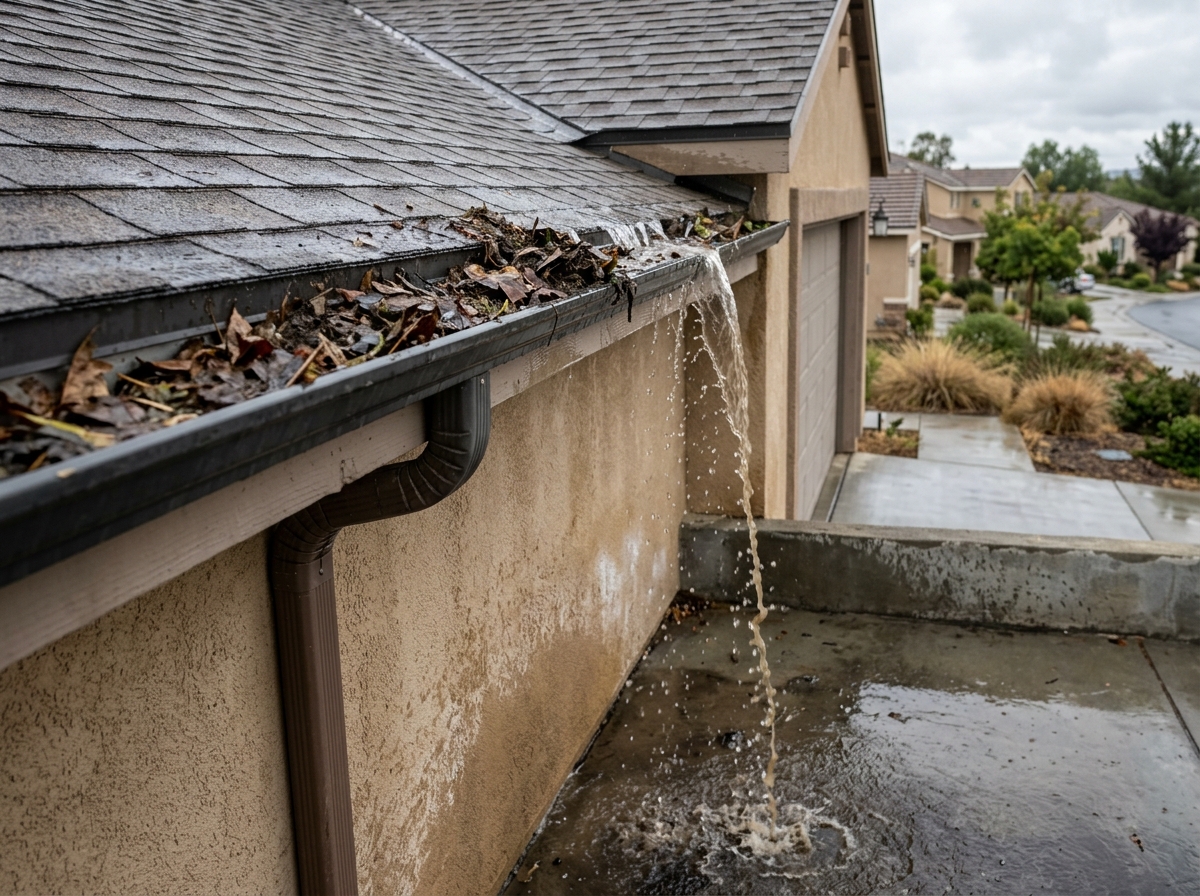
- Clear gutters and downspouts – Remove leaves, twigs, and any debris. A clogged gutter can overflow, directing water onto siding and foundation walls.
- Inspect roof flashings – Look for rust, cracks, or missing sealant around chimneys, vent pipes, and skylights. These are common leak points when wind‑driven rain hits.
- Schedule a drone roof inspection – Our FAA‑Part 107 licensed drone can capture high‑resolution images of hard‑to‑reach areas, spotting loose shingles or damaged tiles before they become a leak.
- Seal exterior cracks – Use a quality exterior caulk on any gaps around windows, doors, and siding joints.
In the Temecula‑Riverside corridor, many homes feature clay tile roofs that can shift under wind load. A quick visual check from the ground often misses subtle tile displacement; a drone survey gives you peace of mind without the need for a ladder.
Safeguarding Foundations and Crawl Spaces
Keep the ground under control
- Check drainage grading – The soil should slope away from the foundation at least 6 inches over the first 10 feet. In the San Bernardino foothills, compacted clay can hold water against the slab if grading is off.
- Run a sewer camera scope – Blocked or broken sewer lines can cause wastewater to back‑up during heavy rains. Our camera scoping service identifies blockages before they flood your basement.
- Install or repair French drains – If water pools near the foundation, a French drain can redirect it to a safe discharge point.
- CrawlBot foundation inspection – Our robot‑assisted crawl‑space camera can navigate tight spaces, revealing hidden cracks, rot, or pest damage that a visual crawl might miss.
A recent inspection in an Anaheim suburb revealed a subtle foundation crack that only became apparent after a month of El Niño rain, highlighting how proactive checks can prevent costly repairs later.
Indoor Air Quality: Radon, Mold, and Moisture Management
When humidity turns into health concerns
- Radon testing – El Niño’s pressure changes can affect radon levels in basements. Our radon testing and monitoring service provides a short‑term test followed by a long‑term monitor if needed.
- Mold air quality testing – Prolonged moisture encourages mold spores. We take air samples from attics, crawl spaces, and living areas to determine if hidden growth is present.
- Ventilation check – Ensure attic vents, bathroom exhaust fans, and kitchen hoods are operating correctly. Proper airflow reduces condensation on interior surfaces.
- Dehumidifier placement – In homes with high humidity, especially those with basements in the Inland Empire, a whole‑house dehumidifier can keep relative humidity below 60 %.
Even a well‑maintained home can develop hidden moisture pockets after weeks of rain. A simple radon or mold test can alert you to issues before they affect health or cause structural decay.
Ready to weather the next El Niño?
If you’re in Temecula, San Diego, Orange County, or any of the surrounding Inland Empire communities, the best defense is a thorough, professional inspection before the season peaks. Whether you need a drone roof survey, a sewer camera scope, or a full indoor‑air quality assessment, I’m happy to help you prioritize the most critical tasks. Feel free to reach out to Marine One Property Inspections for a no‑obligation walkthrough, or simply ask any questions you have about protecting your home during El Niño. Your peace of mind is our priority.