
Why a Home Inspection Before El Niño Is Critical for Temecula Homeowners
By Orlando Martinez · October 8, 2026 · 4 min read
When the forecast starts flashing El Niño, Temecula’s valleys can see sudden, intense rainstorms and stronger winds. Homeowners who have just bought, sold, or are thinking about listing a property often ask, “Do I need another inspection before the season starts?” The answer is yes – not because an inspection can stop the weather, but because it can reveal weaknesses that a storm will stress. A timely inspection lets you address problems before the first downpour, protecting your investment and keeping your family safe.
Orlando Martinez, lead inspector at Marine One Property Inspections, has spent more than a decade walking the streets of Temecula, Riverside, and the surrounding Inland Empire. He’s seen how a missed roof leak or a clogged gutter can turn a modest rain into a costly water intrusion. This post walks you through the most important systems to evaluate before El Niño arrives, and shows where our specialized services fit into the picture.
Roof, Gutters, and Foundation – What to Watch With El Niño
The roof is the first line of defense
- Shingle integrity – Look for cracked, missing, or curled shingles, especially on homes built before 2000 in the Temecula hills.
- Flashing and vents – Check around chimneys, skylights, and vent pipes for corrosion or gaps that let water seep behind the roof deck.
- Drone roof inspection – Our FAA‑Part 107 licensed drone can capture hard‑to‑reach areas, giving you a clear picture of the roof’s condition without climbing a ladder.
Gutters and downspouts
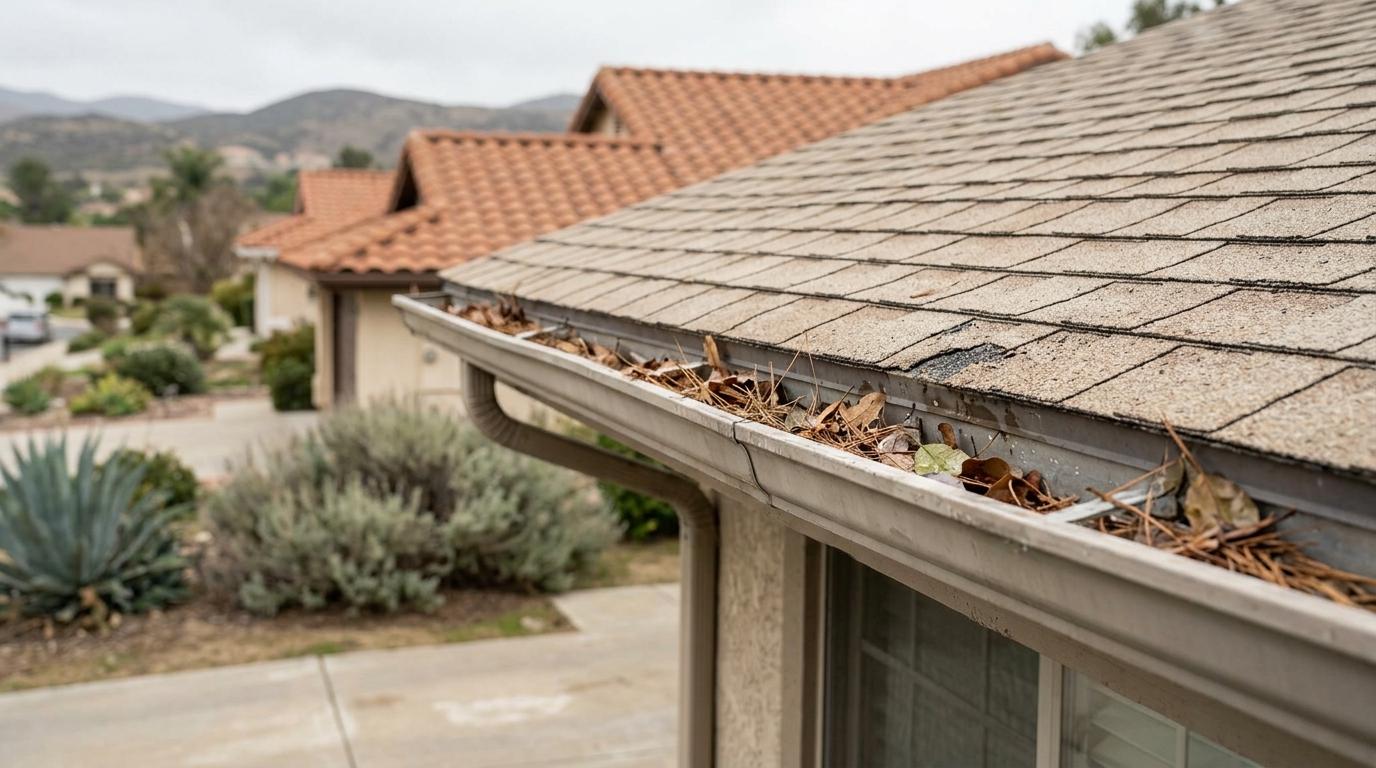
- Clogged debris – Leaves and pine needles from the nearby Santa Rosa Plateau can fill gutters quickly. A blocked gutter can overflow onto the foundation.
- Secure brackets – Heavy rain can loosen gutter hangers. Verify that brackets are fastened to solid framing, not just the fascia.
- Sewer camera scoping – After a storm, water can back up into the drainage system. A quick camera check can spot blockages before they cause basement flooding.
Foundations and crawl spaces
- CrawlBot foundation inspection – Our robot can navigate tight crawl spaces, detecting cracks, settlement, or moisture that isn’t visible from the surface.
- Soil grading – The ground should slope away from the house at least 6 inches within the first 10 feet. Improper grading in the Inland Empire’s clay soils can funnel water toward the foundation.
- Crack monitoring – Small foundation cracks may widen after heavy rains. Documenting them now creates a baseline for future comparison.
By addressing these items before the first El Niño storm, you reduce the risk of roof leaks, gutter overflow, and foundation water intrusion.

Indoor Air Quality: Radon and Mold Before the Storm
Radon testing and monitoring
- Why it matters – El Niño can raise indoor humidity, creating a pressure differential that pulls radon from the soil into the home.
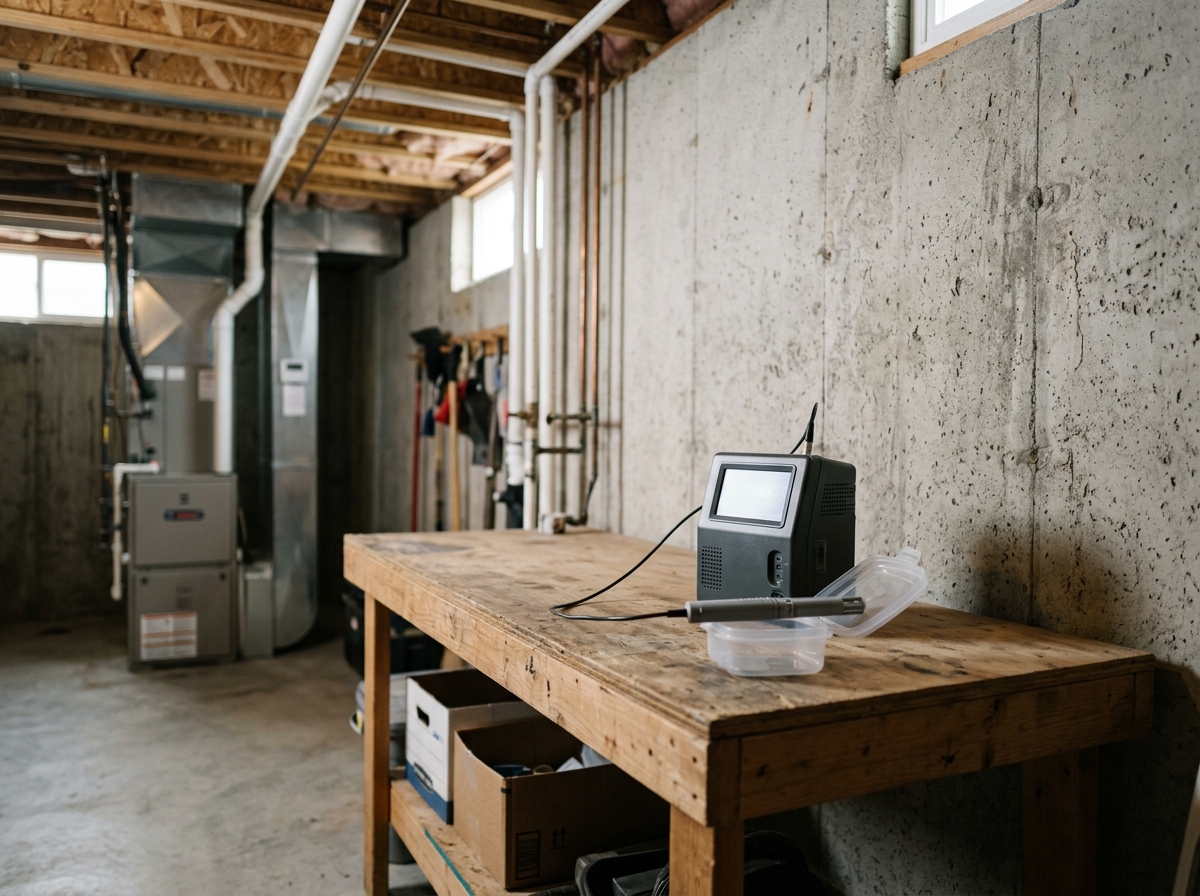
- Radon Certified testing – Orlando places a radon test probe in the lowest lived‑in level for a minimum of 48 hours. Results guide whether a mitigation system is needed.
- Ongoing monitoring – For homes in Riverside or San Bernardino, we can install a continuous radon monitor that alerts you if levels rise after a storm.
Mold and air‑quality testing
- Moisture‑driven growth – After heavy rain, hidden leaks can create the perfect environment for mold in basements, crawl spaces, and behind walls.
- Mold Air Quality Certified inspection – We collect air samples and surface swabs, then send them to an accredited lab. The report identifies any Stachybotrys or Aspergillus species that may affect health.
- Preventive steps – Seal any gaps around windows, doors, and utility penetrations. Use dehumidifiers in damp areas, especially in the San Diego coastal climate where humidity spikes during El Niño.
Addressing radon and mold before the rainy season helps maintain healthy indoor air and avoids costly remediation later.
Pools, Spas, and Multi‑Unit Properties – Extra Checks for the Wet Season
Pools and spas
- Pump and filter inspection – Verify that pumps run dry and that filters are clean. A clogged filter can cause the pump to overheat during a storm when the system runs longer.
- Pool deck drainage – Ensure that the surrounding concrete slopes away from the pool to prevent water pooling near the foundation.
- Leak detection – Our water‑pressure testing can pinpoint hidden leaks in underground plumbing before a storm overwhelms the system.
Multi‑unit and commercial buildings
- Common‑area roof access – In apartment complexes across Orange County, roof decks often have shared HVAC units. Inspect for proper flashing and secure mounting.
- Fire‑stop and smoke‑detector compliance – Heavy rain can affect ceiling tiles and smoke‑detector housings. Verify that fire‑stop materials are intact.
- Sewer camera scoping – Larger properties have more extensive drainage networks. A camera inspection can reveal blockages that might cause backups in basements or laundry rooms during El Niño rains.
Whether you own a single-family home with a pool or a multi‑unit building in Anaheim, these focused checks help you avoid water‑related surprises when the storms arrive.
If you’re ready to give your home the best chance to weather the upcoming El Niño season, schedule a comprehensive inspection with Marine One Property Inspections. Orlando Martinez and the team will walk you through any findings, recommend next steps, and answer your questions—no pressure, just reliable guidance. Feel free to reach out today for a free consultation or to learn more about our specialized services.