
Mold Testing in Temecula: What Homeowners Need to Know
By Orlando Martinez · September 30, 2026 · 3 min read
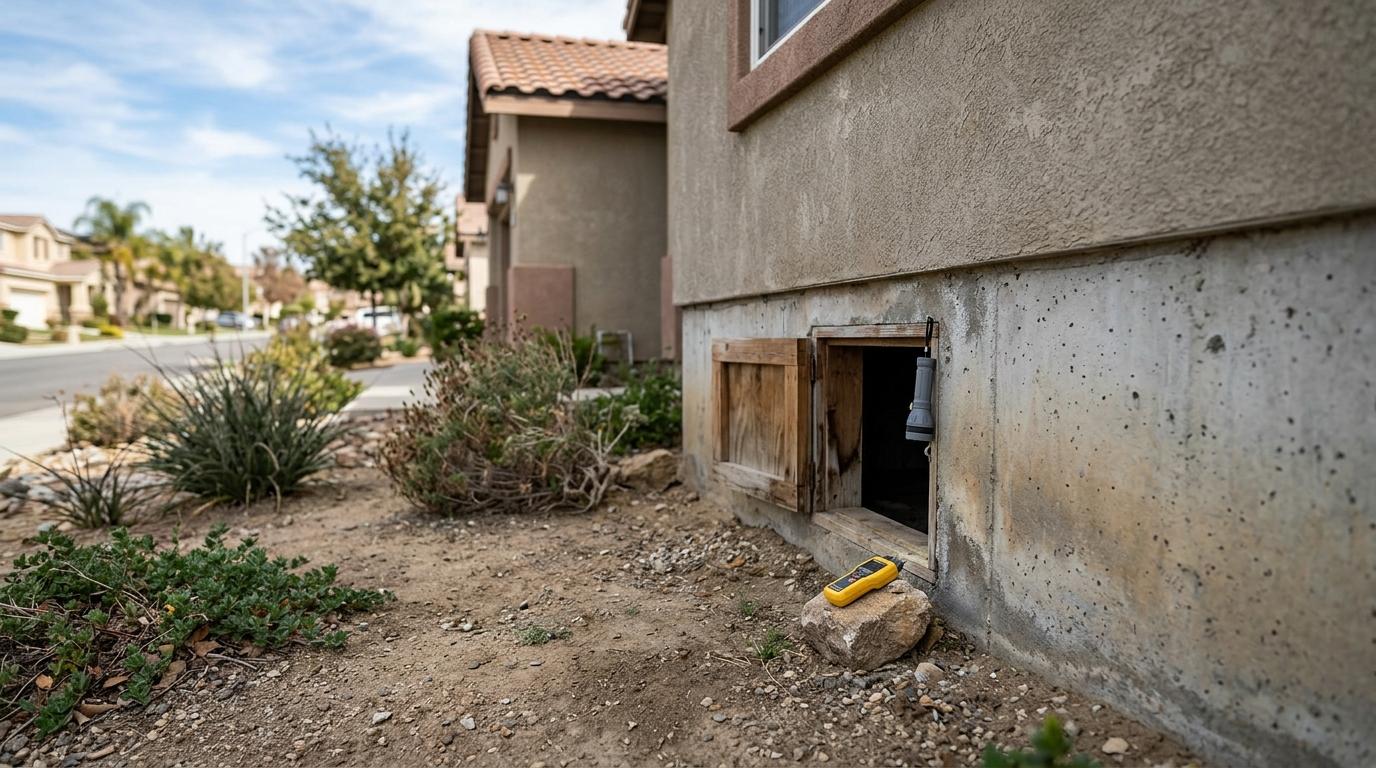
When the Santa Ana winds push warm, humid air into the Temecula Valley, a familiar sight appears in many basements and crawl spaces: a faint, musty odor and a thin film of water on the walls. For a homeowner who’s just bought a 1970s ranch home in the Wine Country or a seller preparing a listing in Riverside, that smell can signal an invisible problem—mold.
Orlando Martinez, lead inspector at Marine One Property Inspections, has seen the difference a focused mold‑air‑quality test can make. In a region where summer humidity spikes to 80 % and winter rains leave foundations damp, a simple visual check isn’t enough. The right testing strategy protects your family’s health and preserves the value of your property.
Why Mold Shows Up in Temecula Homes
The local climate and building stock create a perfect storm for mold.
- Seasonal humidity: Summer and early fall bring high humidity, while the cooler evenings trap moisture inside walls.
- Older construction: Many homes built before the 1990s rely on crawl spaces that are vented but not insulated, allowing ground moisture to rise.
- Landscaping practices: In the Temecula‑Riverside corridor, irrigation systems are often left running through the night, creating runoff that seeps into foundations.
- Micro‑climates: The valley’s rolling hills cause pockets of stagnant air, especially in neighborhoods near Lake Skinner or the Santa Ana River.
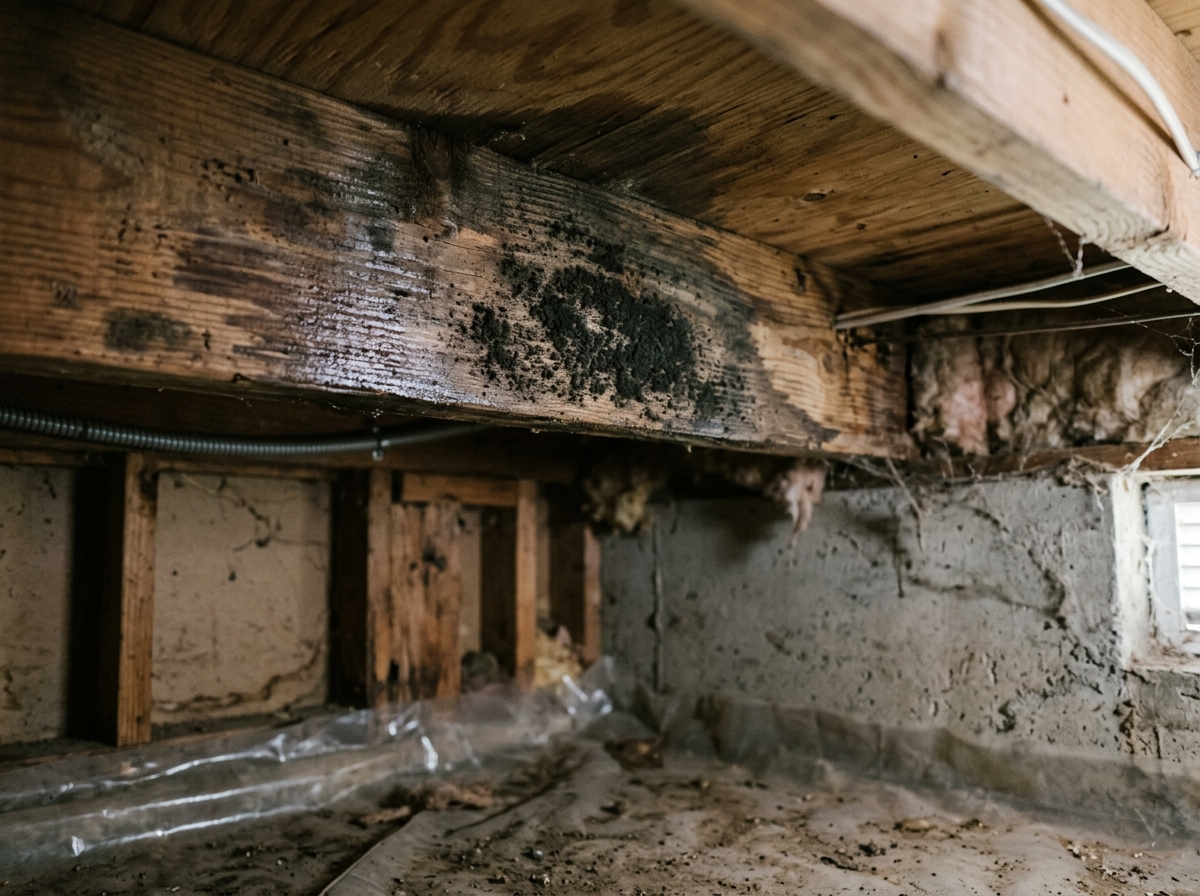
Because of these factors, mold can develop behind drywall, under siding, or inside HVAC ducts without obvious signs. A homeowner who notices a sudden increase in allergy symptoms after a rainy season should consider a professional mold test, even if the house looks clean.
How Marine One Performs a Mold Air‑Quality Test
Step‑by‑step, from visual inspection to lab analysis
- Pre‑inspection walkthrough – Orlando and his team check for water stains, condensation, and any visible mold growth on walls, ceilings, and around windows.
- Moisture mapping – Using a calibrated moisture meter, they record readings on drywall, wood, and flooring. Anything above 15 % triggers a closer look.
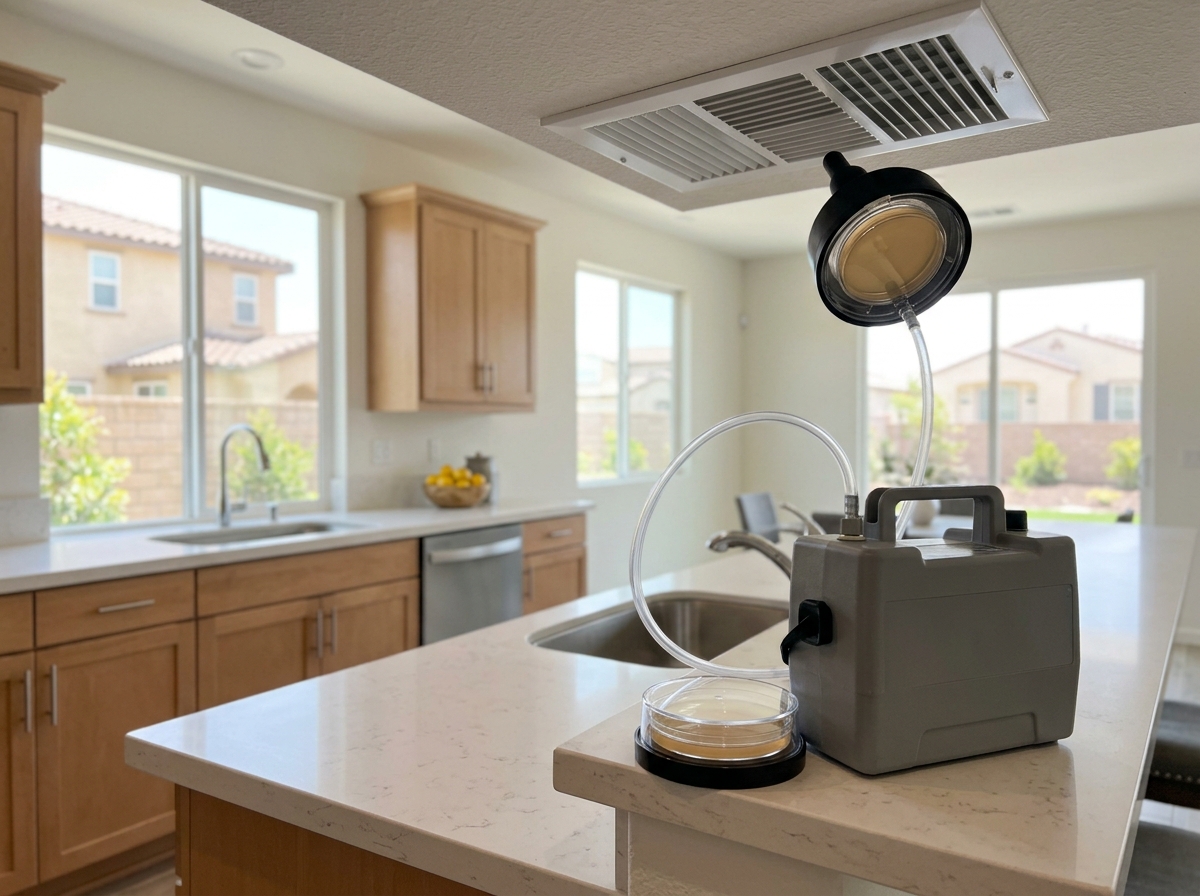
- Air sampling – A certified air‑sampling pump pulls 1 L of indoor air onto a sterile agar plate for a 10‑minute period. The same procedure is repeated outdoors to establish a baseline.
- Surface sampling – If a suspect spot is found, a swab is taken and sealed for laboratory identification.
- Laboratory identification – Samples are sent to an ISO‑certified lab where colonies are identified to the genus level (e.g., Aspergillus, Cladosporium). Results are returned within 48 hours.
Marine One’s Mold/Air Testing certification ensures that the sampling equipment meets InterNACHI standards, and the lab follows EPA‑approved methods. The process is the same whether we’re testing a single‑family home in San Diego or a multi‑unit building in Orange County.
From the Lab to Your Home: Interpreting Results and Next Steps
What the numbers mean and how to act
- Low indoor‑to‑outdoor spore ratio (<1 : 1) – Typically indicates no active mold problem. Recommend routine moisture control and a follow‑up visual inspection during the next rainy season.
- Elevated indoor spore count (≥2 : 1) – Suggests active growth. Advise a targeted remediation plan: locate the moisture source, remove contaminated materials, and conduct post‑remediation clearance testing.
- Specific species identification – Certain molds, like Stachybotrys (black mold), require immediate professional remediation because of potential health concerns.
Marine One can coordinate the next phase:
- CrawlBot foundation inspection – Our robot crawls tight foundation walls to pinpoint hidden moisture pockets.
- Drone roof inspection – Aerial imaging identifies roof leaks that could be feeding basement mold.
- Referral to certified remediation specialists – For extensive contamination, we connect homeowners with vetted contractors.
Regardless of the outcome, the goal is to give you a clear, actionable path. Remember, mold testing is a snapshot; regular moisture management and annual inspections keep the problem from returning.
If you suspect mold in your Temecula home—or you’re preparing a property for sale—let’s talk. Orlando Martinez and the Marine One team will walk you through the testing process, explain the results, and recommend the next steps that fit your budget and timeline. No pressure, just reliable information to help you protect your family and your investment. Reach out today for a no‑obligation consultation or to schedule a comprehensive inspection.