Orange County Home Buyer’s Guide: Drone Roof Inspections with Marine One Property Inspections
By Orlando Martinez · October 9, 2026 · 4 min read
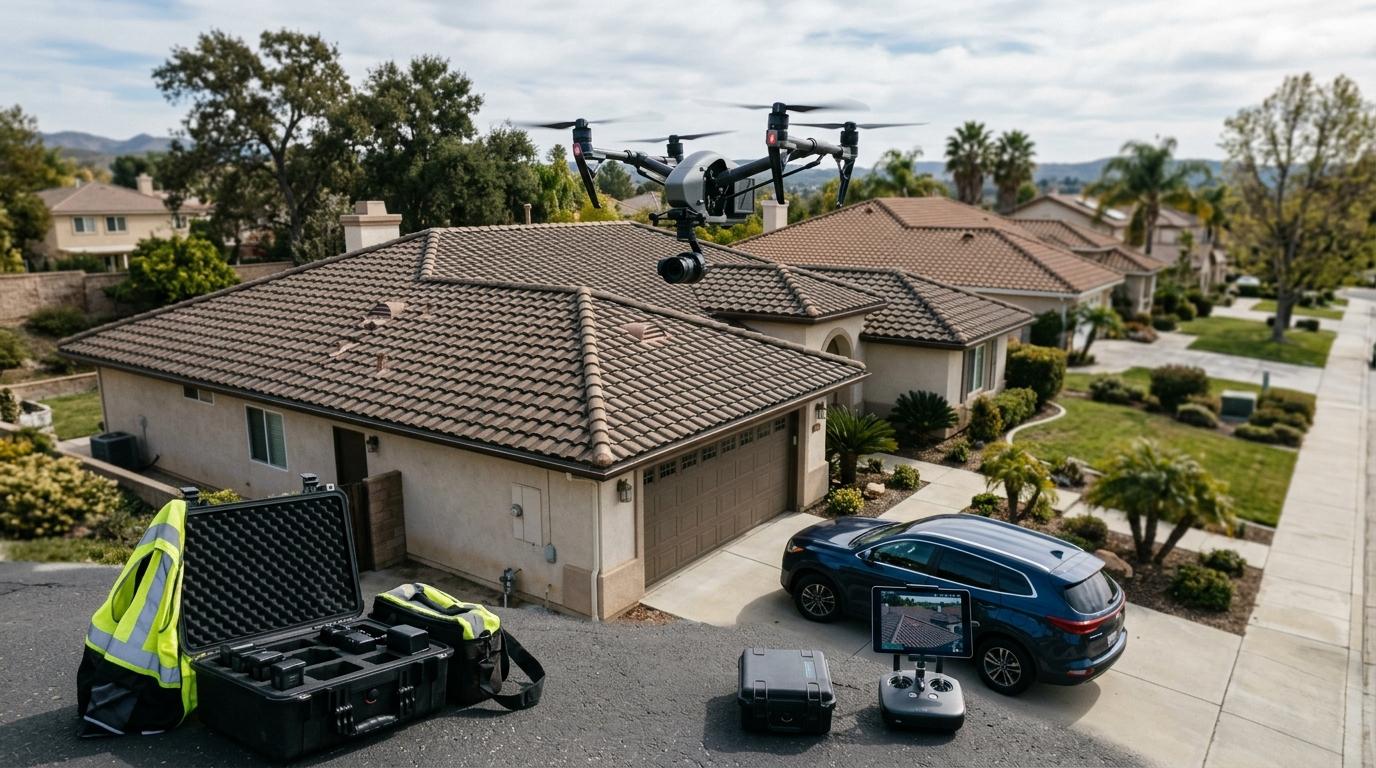
Buying a home in Orange County often means navigating sun‑baked roofs, coastal breezes, and a mix of older ranch‑style homes and newer Mediterranean builds. One of the first questions I hear from buyers is, “Is the roof really in good shape?” A quick glance from the street can miss cracked shingles, hidden water ponds, or damaged flashings. That’s why I bring a drone to the job – to give you a bird’s‑eye view that a ladder can’t reach, before you sign on the dotted line.
Whether you’re looking at a single‑family home in Anaheim, a condo near the San Diego border, or a newer build in the Inland Empire, a drone inspection adds clarity and confidence to your purchase decision.
Why Roof Inspections Matter in Orange County
Local climate, local challenges
- Sun‑driven wear – The intense Southern California sun can cause asphalt shingles to become brittle and lose granules faster than in cooler climates.
- Coastal moisture – Salt‑laden air near the Pacific can accelerate metal corrosion on flashings and gutters.
- Seasonal rain – Winter storms bring sudden downpours that expose hidden leaks or poorly sealed roof penetrations.
A compromised roof can lead to interior water damage, mold growth, and costly repairs that bite into your budget. A thorough roof inspection is the first line of defense for any buyer, protecting both your investment and your peace of mind.
At Marine One Property Inspections, we pair the visual detail of a drone survey with the seasoned eye of a licensed InterNACHI® inspector. That combination lets us spot issues that a traditional ladder inspection might miss, especially on steep or high‑rise roofs common in Orange County developments.
How a Drone Roof Inspection Works
From launch to report
- Pre‑flight planning – I review the property’s layout, local flight restrictions, and any homeowner concerns.
- On‑site launch – Using a FAA Part 107‑licensed drone, I position the aircraft a safe distance from the house, then fly a programmed grid that captures high‑resolution images of every roof plane.
- Image stitching – The photos are combined into an orthomosaic, giving a seamless, scaled view of the entire roof.
- Analysis – I examine the mosaic for cracked or missing shingles, damaged flashings, clogged gutters, and signs of water pooling.
- Report delivery – Within 24 hours you receive a digital report with annotated images, a clear description of findings, and recommended next steps.
Image description: a compact quadcopter drone hovering a few feet above the ridge of a single‑family home with red tile roofing, framed by a clear blue sky and a line of palm trees in the background, typical of an Orange County suburb.
What Orlando Martinez Looks For
The inspector’s checklist
- Shingle integrity – Look for cracked, curled, or granule‑loss areas that indicate UV wear.
- Flashings and seams – Verify that metal flashings around chimneys, skylights, and vent pipes are sealed and free of rust.
- Gutter condition – Identify clogs, sagging sections, or missing downspouts that could cause water overflow onto the roof deck.
- Solar panel mounting – Ensure panels are securely attached and that their brackets haven’t compromised the underlying roof material.
- Hidden valleys – Drone angles reveal low‑lying spots where water can collect, a common issue on homes with complex roof geometry.
By combining drone imagery with a physical walk‑through, I can pinpoint problem areas and advise you on whether a repair estimate or a deeper investigation (such as a thermal imaging scan) is warranted.
Image description: an overhead drone view of a roof covered with solar panels, showing the array of panels, the surrounding tiled roof, and a nearby palm tree casting a distinct shadow across part of the roof surface.
Integrating Drone Findings with the Full Home Inspection
A drone roof survey is a powerful piece of the inspection puzzle, but it’s only one part of a comprehensive home evaluation. After the aerial assessment, I move on to the interior and structural systems, including:
- CrawlBot foundation inspection – Detect moisture intrusion or cracks in the slab that could affect roof drainage.
- Radon and mold testing – Verify indoor air quality, especially in homes with older roofs that may have hidden leaks.
- Thermal imaging – Spot insulation gaps or moisture behind the roof deck that a visual inspection can’t see.
- Pool and spa checks – For properties with amenities, ensure that water features are properly sealed and that roof runoff isn’t compromising them.
By delivering a single, organized report that ties the drone data to these additional services, Marine One Property Inspections gives Orange County buyers a clear, actionable picture of the home’s overall health.
If you’re already working with a real‑estate agent, the drone roof report can be shared instantly, helping you negotiate repairs or price adjustments with solid evidence.
Next Steps for Orange County Home Buyers
If you’re in the market for a home in Anaheim, Irvine, or any of the surrounding cities, a drone roof inspection can be the difference between a confident purchase and an unexpected repair bill. Feel free to reach out with any questions about how the process works, what the report will include, or how it fits into your overall home‑buying timeline.
I’m happy to schedule a drone inspection at a time that works for you, walk you through the findings, and discuss any follow‑up services you might need—whether that’s a thermal scan, a crawl‑space evaluation, or a radon test. Let’s make sure the roof over your head is as solid as the foundation beneath it.
Contact Marine One Property Inspections today, and let’s get you the clear, trustworthy information you deserve before you close on your new home.