
Preparing Your Anaheim Home for Wildfire Season: An Inspector's Guide
By Orlando Martinez · August 16, 2026 · 4 min read
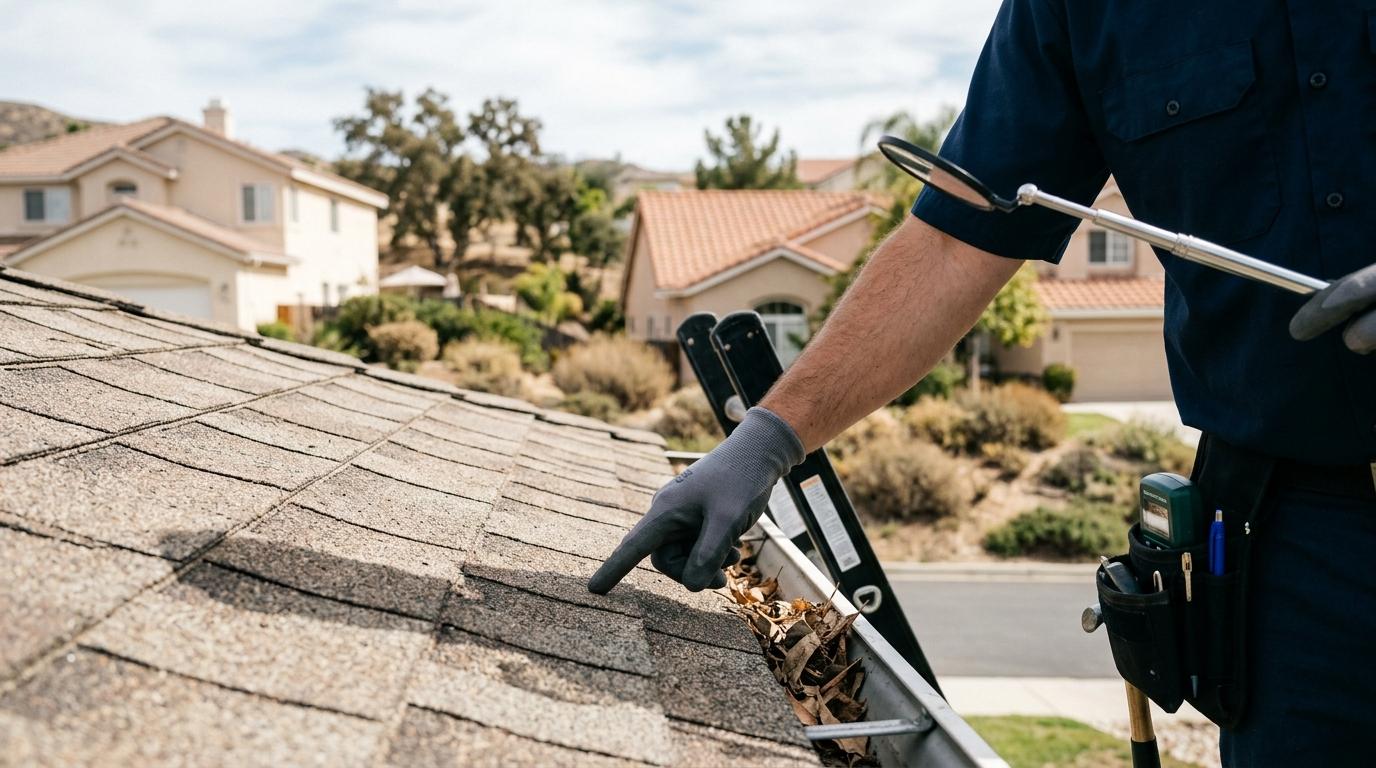
Living in Anaheim, we all know the rhythm of the seasons. It’s not just about the heat; it’s about the wind. When the Santa Ana winds start howling through the canyons and across the Inland Empire, that dry brush in the open space down the street suddenly feels a lot closer. I’m Orlando Martinez, lead inspector at Marine One Property Inspections. Having spent over 30 years in the building and electrical trades before focusing solely on inspections, I’ve seen how a few small vulnerabilities can turn a close call into a tragedy during wildfire season.
Whether you are in the heart of Anaheim or out toward Riverside or San Bernardino, preparing your home isn’t just about landscaping—it is about hardening the structure itself. We inspect a lot of homes in this region, and while we can't control the weather, we can certainly help you control how your home reacts to it. Here is a practical, on-the-ground look at how to get your property ready.
Creating Defensible Space
The first line of defense is always what surrounds your home. In Orange County, where properties often border natural hillsides, maintaining "defensible space" is critical. This doesn't mean you have to pave over your yard, but it does mean managing the vegetation to interrupt the path of a fire.
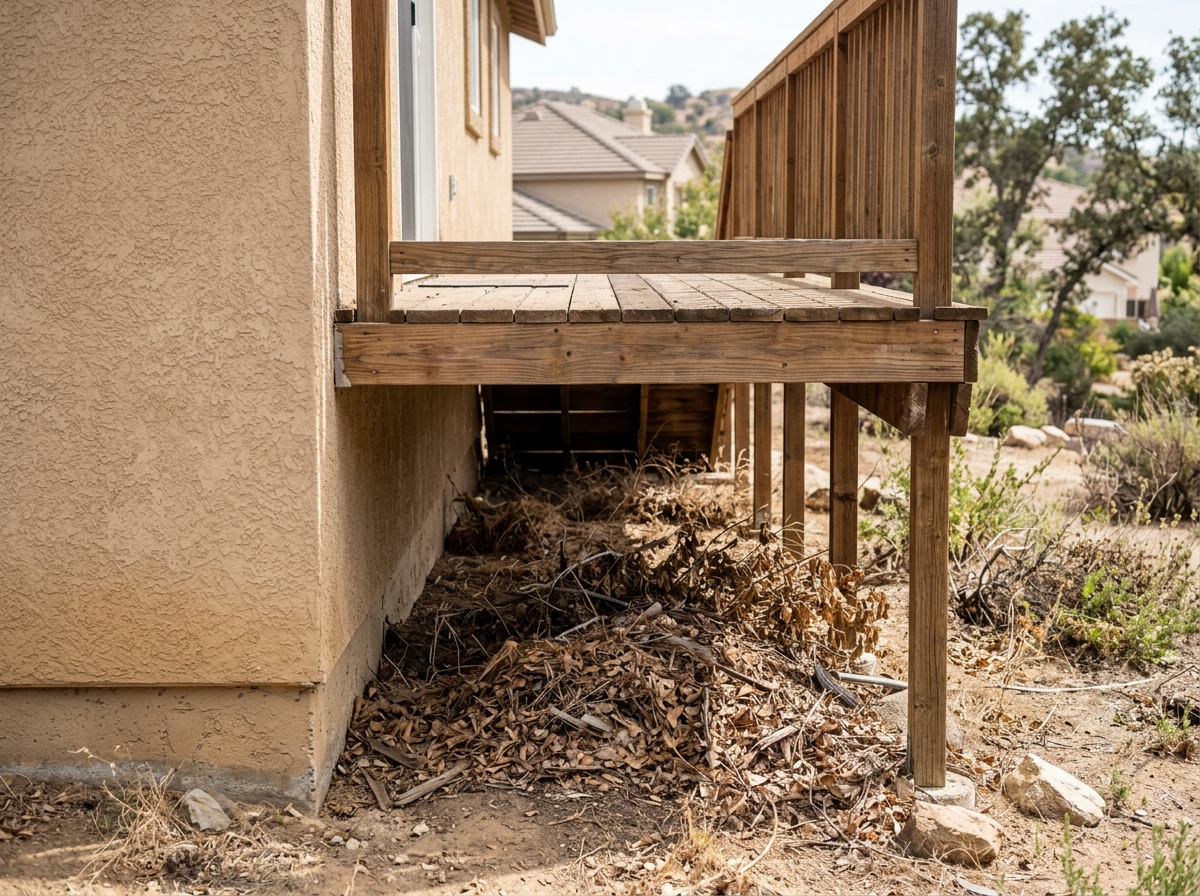
- Zone 0 (0-5 feet): Keep this area completely clear of combustible materials. This includes wood piles, mulch, and dead leaves. Use gravel or hardscaping here instead.
- Zone 1 (5-30 feet): Trim trees and shrubs to create separation. Ensure tree branches don't touch your roof or hang over eaves. This prevents "ladder fuels" that let fire climb from the ground to the canopy.
- Remove debris: Regularly clear leaves and pine needles from your roof and gutters. Embers can travel miles ahead of the main fire front; if they land in a pile of dry leaves next to your siding, your home is at risk even if the fire line is a mile away.
Securing the Envelope: Roofs and Vents
Embers are the primary cause of home destruction during wildfires. They look for any nook or cranny to enter the attic or crawl space. As a licensed drone pilot, I utilize aerial drone inspections to get a clear look at roof conditions that are impossible to gauge safely from the ground.
- Roofing Material: If you have wood shake shingles, you are at a significantly higher risk. Class A fire-rated materials like composition shingles, metal, or tile are much safer.
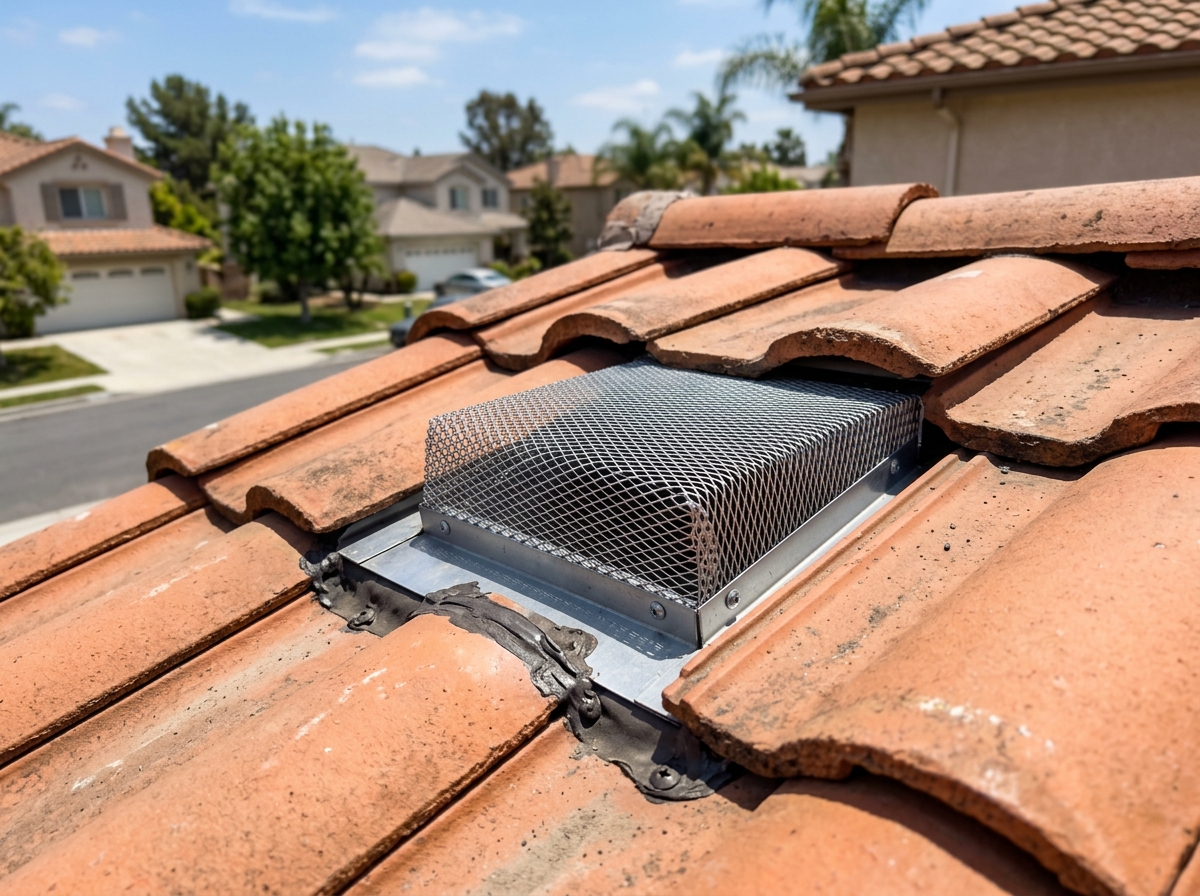
- Vents: Standard attic vents often allow embers to blow right in. We recommend installing 1/8-inch metal mesh screening over all vents to block embers while maintaining airflow.
- Eaves and Soffits: Ensure your eaves are boxed in and sealed to prevent embers from getting trapped underneath the roof covering. During our inspections, we often find gaps here that homeowners rarely see.
Siding, Decks, and Attached Structures
Your home's exterior envelope is the next thing to scrutinize. In many Anaheim neighborhoods, we see a mix of stucco, wood, and vinyl siding. While stucco performs well, gaps in the cladding can be a problem.
- Siding Maintenance: Look for gaps, cracks, or knots in wood siding where embers could lodge. Seal these with high-quality caulk or paint. Replace any loose or missing sections.
- Decks and Patios: Wooden decks can act as a wick, bringing fire right to your exterior wall. Keep the area beneath decks clear of storage and vegetation. Consider installing a metal flashing barrier where the deck attaches to the house.
- Fences: If you have a wooden fence attached to the home, ensure the gate and the connection point are well-maintained. A burning fence can ignite the siding if it makes direct contact.
Windows, Doors, and Sealing the Gaps
The intense heat from a wildfire can break single-pane windows, allowing flames and embers to enter the home. Once inside, the fire can spread rapidly to furniture and curtains.
- Upgrade Glass: Consider upgrading to dual-pane windows with tempered glass. They offer significantly more resistance to heat and breakage compared to single-pane alternatives.
- Weather Stripping: Check the weather stripping on all doors and windows. Not only does this save energy, but it also helps seal out embers that might be driven by high winds.
- Garage Doors: Ensure your garage door has a proper seal and is in good working order. Embers entering a garage can find plenty of fuel to burn, especially if boxes or papers are stored near the door.
If you are unsure about where your home stands regarding fire safety, you don't have to figure it out alone. At Marine One Property Inspections, we provide thorough residential home inspections that look beyond the obvious. From our drone services giving us a bird's-eye view of your roof to our detailed foundation and structural checks, we help you understand your property's vulnerabilities.
We are proud to serve homeowners across Anaheim, Orange County, San Diego, and the Inland Empire. Whether you are buying a new property or just want peace of mind for the season ahead, give us a call. We can schedule a standard inspection or a specific evaluation to help you protect your investment.