
Radon in Temecula: What Homeowners and Buyers Should Know Before They Skip the Test
By Orlando Martinez · November 24, 2026 · 5 min read
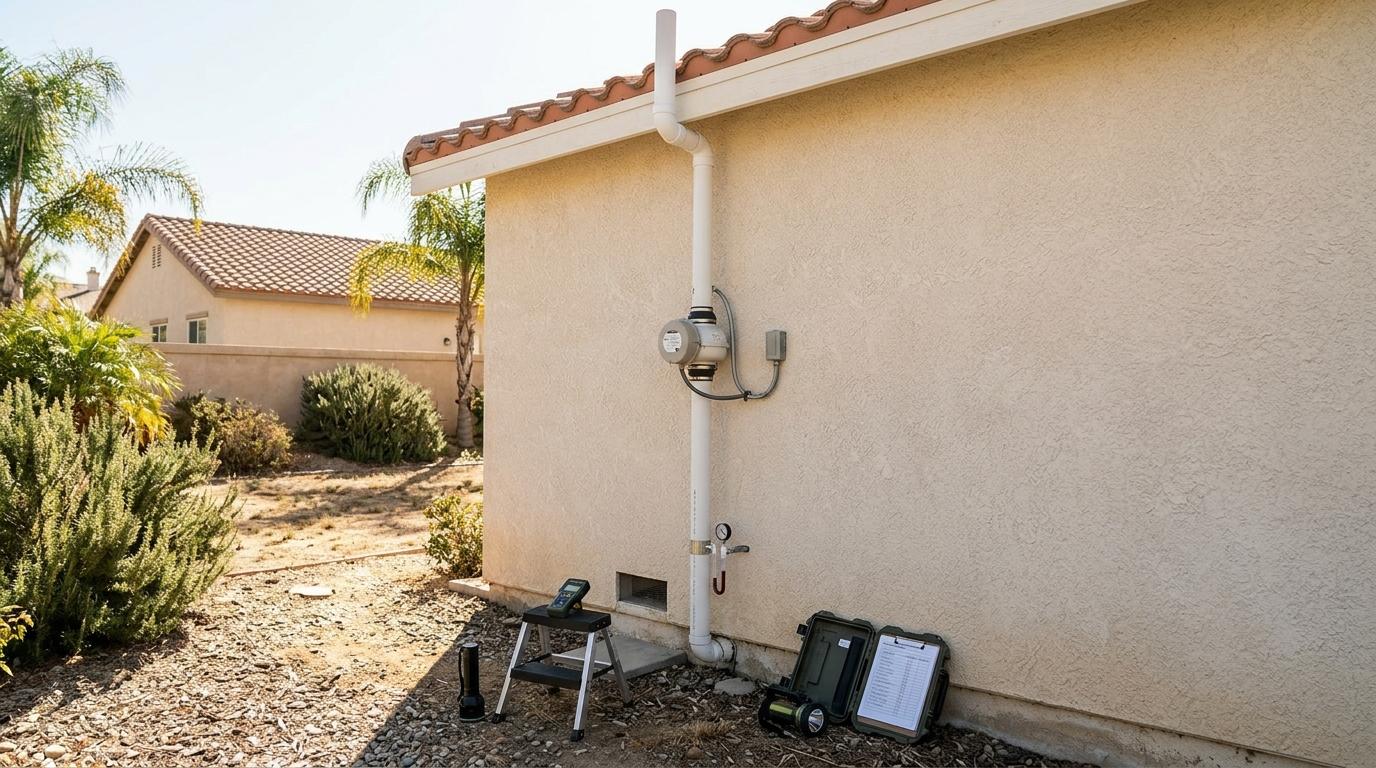
Most people in Temecula don't think about radon. We live in sunny Southern California, we open the windows nine months out of the year, and the word "radon" tends to bring to mind snowy basements in the Midwest — not a stucco tract home off Rancho California Road.
But radon isn't a regional problem. It's a geology problem, and it's a house problem. Radon is a radioactive gas that forms naturally when uranium in soil and rock breaks down. It rises up through the ground, and when it finds its way into a home through cracks in the slab, gaps around plumbing, or crawlspace openings, it can accumulate indoors.
I'm Orlando Martinez with Marine One Property Inspections, and we test for radon across Temecula, Riverside, San Bernardino, the Inland Empire, Orange County, San Diego, and Anaheim. When a buyer asks me whether they really need a radon test on a slab-on-grade house in Murrieta or a two-story in Temecula, I tell them the same thing: you don't know until you test. That's not a sales pitch — that's just how radon works.
Why Radon Doesn't Care That You Live in Southern California
Here's the part that surprises people. Radon risk isn't determined by how pretty the weather is. It's determined by what's under the house, how the house is built, and how it's ventilated.
A few things that matter in our area:
- Our housing stock is tight and modern. Newer construction in Temecula, Menifee, and Eastvale is built to be energy-efficient, which means less natural air exchange. That's good for your utility bill and less helpful for diluting soil gas that seeps in.
- Slab-on-grade and post-tension foundations are the norm here. There's no basement to act as a buffer. Gas that rises from the soil can enter directly through the slab, utility penetrations, and cold joints.
- Our soil varies block to block. Granitic and decomposed rock formations throughout Riverside and San Diego counties can carry naturally occurring uranium. Two houses on the same street can test very differently.
- Seasons change the numbers. Hot inland summers and cooler winters both affect how a house "breathes." Closed-up homes during a heat wave or a cold snap can hold more radon indoors than a house with windows open in April.
None of that means every Temecula home has a radon problem. It means you can't rule it out based on the zip code or the age of the house.
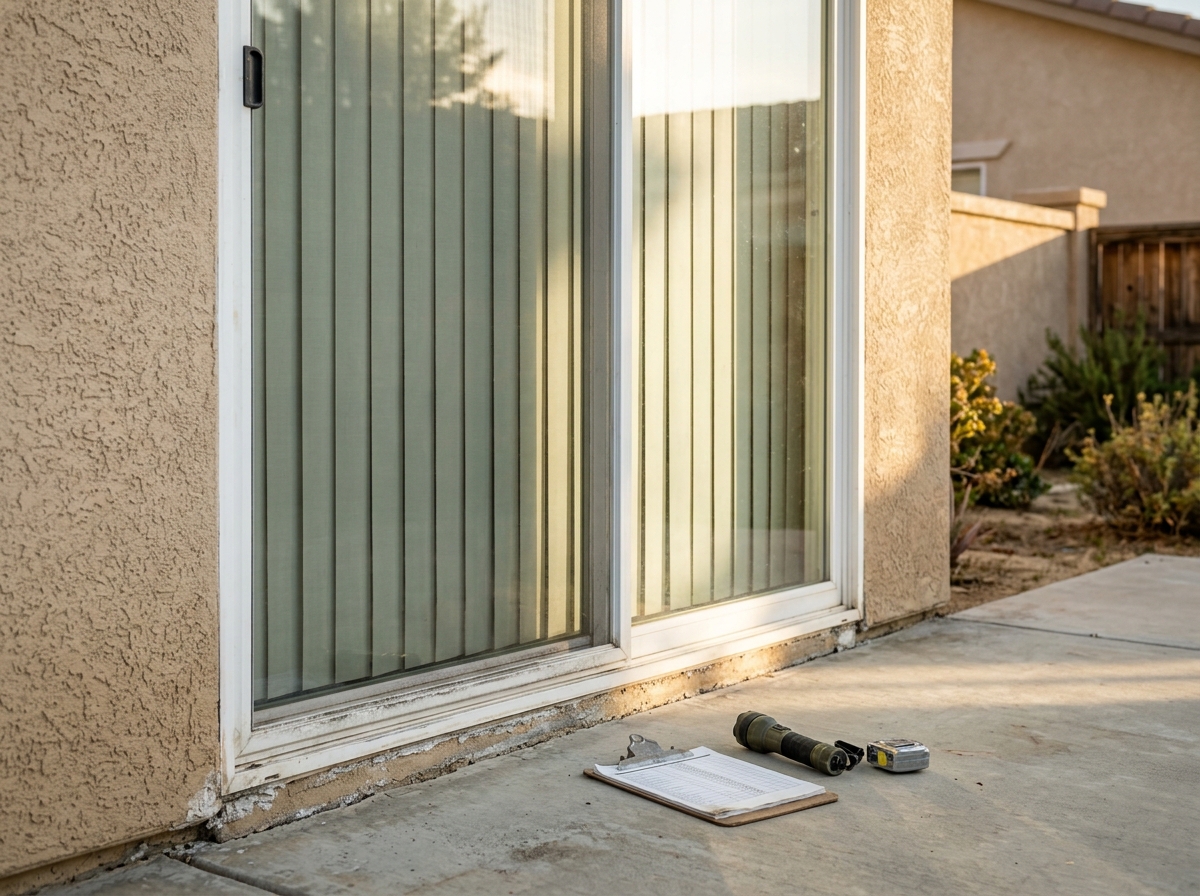
What a Radon Test Actually Looks Like
A radon test isn't invasive, and it doesn't require tearing anything apart. It's a measurement, and like any measurement, it depends on doing it correctly.
At Marine One Property Inspections, we use radon testing and monitoring equipment placed in the lowest livable level of the home — typically a ground-floor living area, bedroom, or family room. The equipment needs what's called "closed-house conditions" during the test window: windows and exterior doors kept closed, aside from normal entry and exit, and no whole-house fans or swamp coolers running.
That last part trips people up in our area. If you're in a home in Riverside or San Bernardino with a whole-house fan, running it during a test can dilute the reading and give you a false sense of security. We'll walk you through the setup so the results mean something.
A few practical notes:
- Short-term tests give you a snapshot. Longer monitoring gives you a more representative picture of what you're actually breathing over time.
- Test results are reported in picocuries per liter (pCi/L). The EPA has published guidance on action levels, and your results should be interpreted against that guidance — not against a neighbor's test.
- If a result comes back elevated, the next step is a conversation with a licensed radon mitigation professional, not panic. Mitigation systems are a well-established trade, and many homes can be addressed with a venting system and sealing of entry points.
I'm not going to tell you what your number will be. I'm going to tell you that testing is how you find out, and that interpreting a result is a job for someone qualified to do it. We're happy to point you in the right direction.
Radon Testing for Buyers, Sellers, and Warranty Windows
Radon comes up in three situations most often, and each one has its own timing considerations.
If you're buying, the inspection contingency period is the natural window. A radon test runs alongside your standard residential property inspection, and if you're already scheduling a sewer camera scope, a CrawlBot foundation look, or a drone roof inspection, we can coordinate the timing so you're not making multiple trips out to the property.
If you're selling, a pre-listing radon test can be a smart move. It's better to know before a buyer's inspector finds it, and it gives you time to address it calmly rather than under contract pressure. Our sellers inspections are built around that idea.
If you're already in the home, a warranty inspection near the end of your builder warranty period is a good time to fold in radon testing — especially in newer Temecula and Murrieta communities where the house has been sealed up tight since day one.
One more thing worth saying plainly: a radon test is a point-in-time measurement, and no test — ours or anyone's — can guarantee your home will never have an issue. What a test does is give you real information to act on. That's the whole value.
How Radon Fits With the Rest of Your Inspection
Radon isn't the only thing people overlook. In our service area, we routinely pair radon testing with:
- Mold and air quality testing — because moisture problems and air quality concerns often travel together, especially in homes near the coast in San Diego and Orange County where humidity behaves differently than it does in the inland valleys.
- Sewer camera scoping — older neighborhoods in Anaheim and parts of Riverside have sewer lines that deserve a look before you buy.
- CrawlBot foundation inspections — for homes with crawlspaces, we can get eyes into spaces a person can't easily reach.
- Pool and spa inspections — because in Temecula, the pool is often part of the deal.
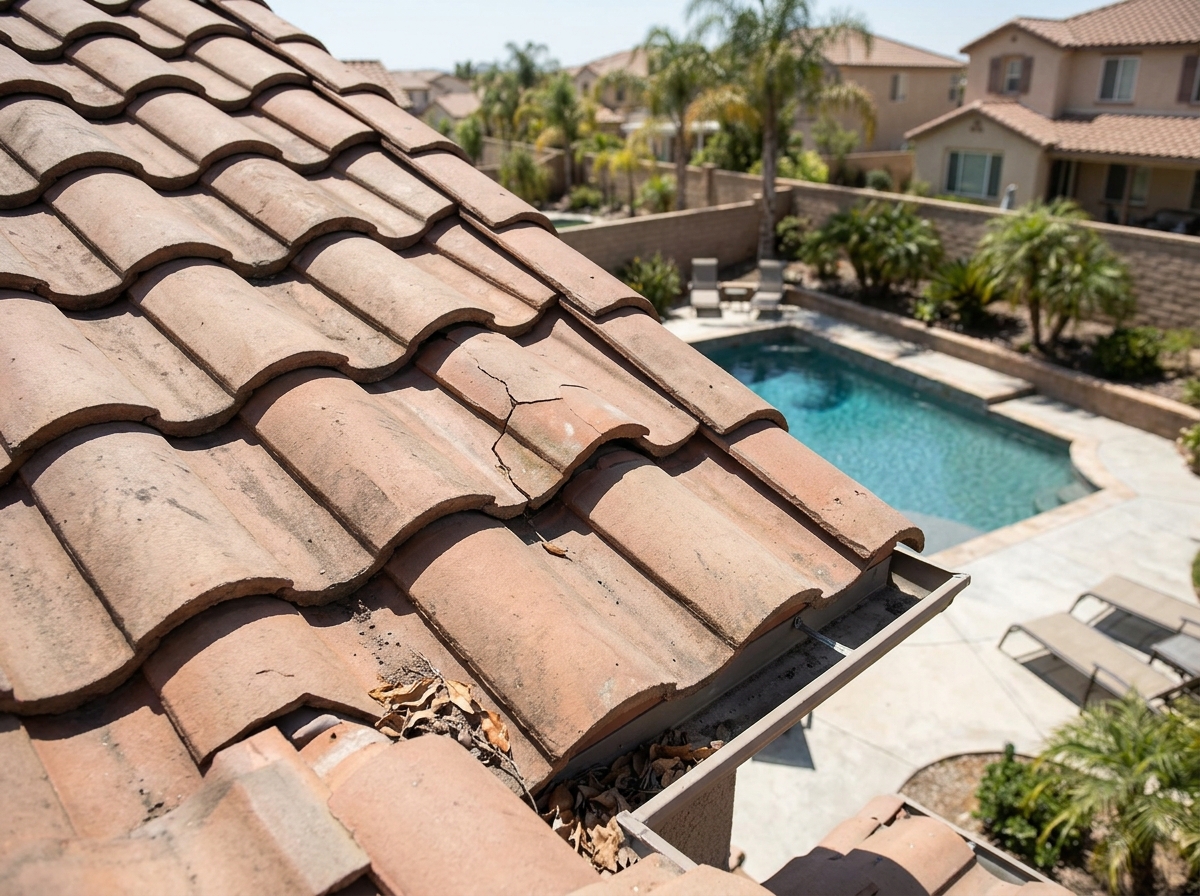
- Drone roof inspections — useful on steep or two-story roofs where walking them isn't the safest option.
We also handle multi-unit and commercial properties, and radon considerations scale up with those buildings in ways that are worth a separate conversation.
The through-line is simple: a home is a system, and the more of it you understand before you sign, the fewer surprises you inherit.
Let's Get Your Questions Answered
If you're buying, selling, or just curious about the air in your home, we're glad to talk it through. No pressure, no scripts — just straight answers about what a radon test involves, how long it takes, and what the results mean.
Marine One Property Inspections serves Temecula and the surrounding areas, plus San Diego, Orange County, the Inland Empire, San Bernardino, Riverside, and Anaheim. Reach out to schedule a radon test or to ask how it fits with a full residential property inspection, a sellers inspection, or a warranty inspection.
You've got questions. We've got a meter and a lot of practice explaining what it says.