
Rain and Leaks: What Temecula Homeowners Need to Know Before the Next Storm
By Orlando Martinez · October 8, 2026 · 4 min read
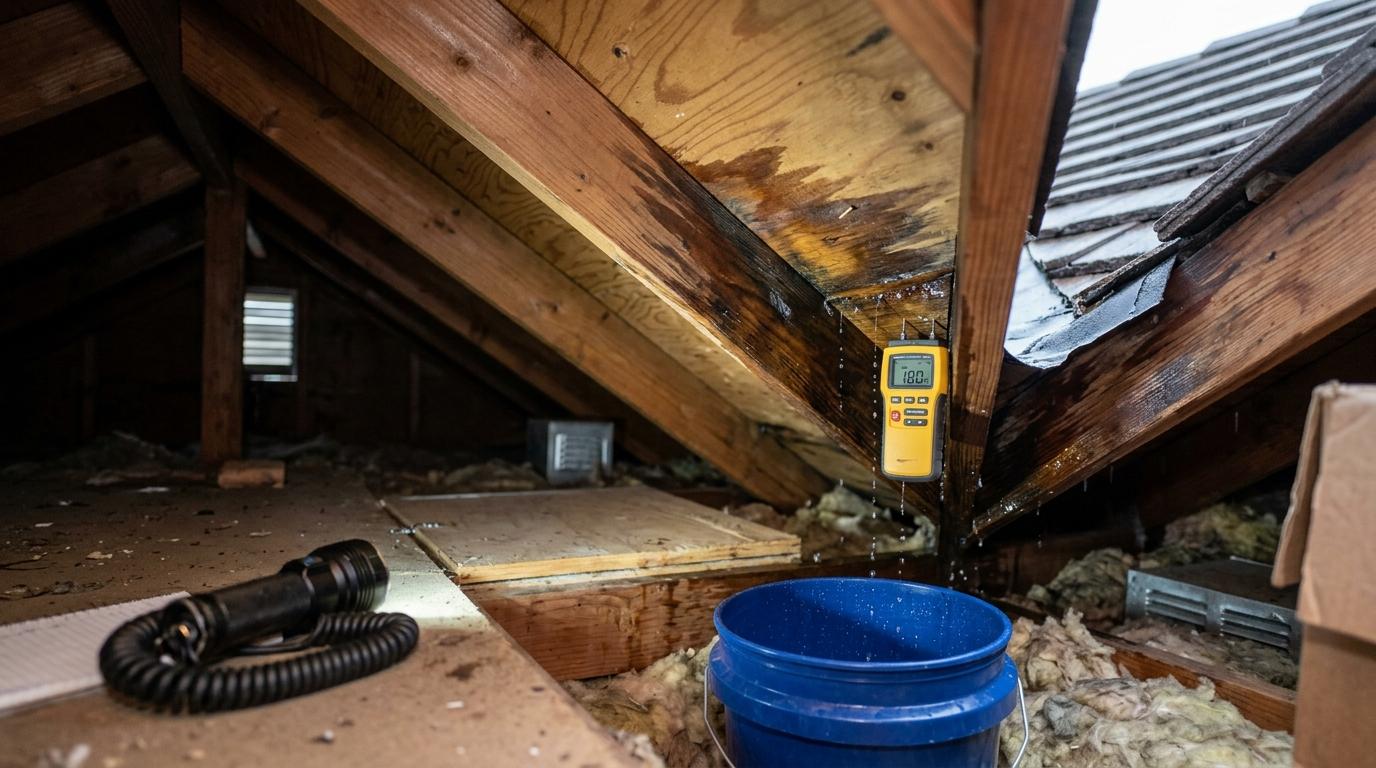
When the first heavy rain of the monsoon season hits Temecula, most homeowners focus on the sound of water on the patio and the smell of fresh earth. Within hours, however, a subtle drip in the attic or a dark line on the exterior wall can turn a pleasant storm into a costly repair nightmare. I’m Orlando Martinez, lead inspector for Marine One Property Inspections, and I’ve seen rain‑related failures in everything from newly built Ranch‑style homes in the Wine Country to older craftsman houses in the Inland Empire. This post walks you through the most common ways water finds its way inside, what the signs look like in our local climate, and how a professional inspection can catch problems before they grow.
Why Rain Reveals Hidden Leaks in Temecula Homes
The local climate factor
- Winter rains and summer monsoons bring intense, short bursts of water that test the integrity of roofs, gutters, and foundations.
- Hot, dry summers cause expansion and contraction of building materials, creating tiny gaps that water can exploit during the next storm.
- Temecula’s rolling hills mean many homes sit on sloped lots, so drainage patterns differ block‑to‑block.
What homeowners notice
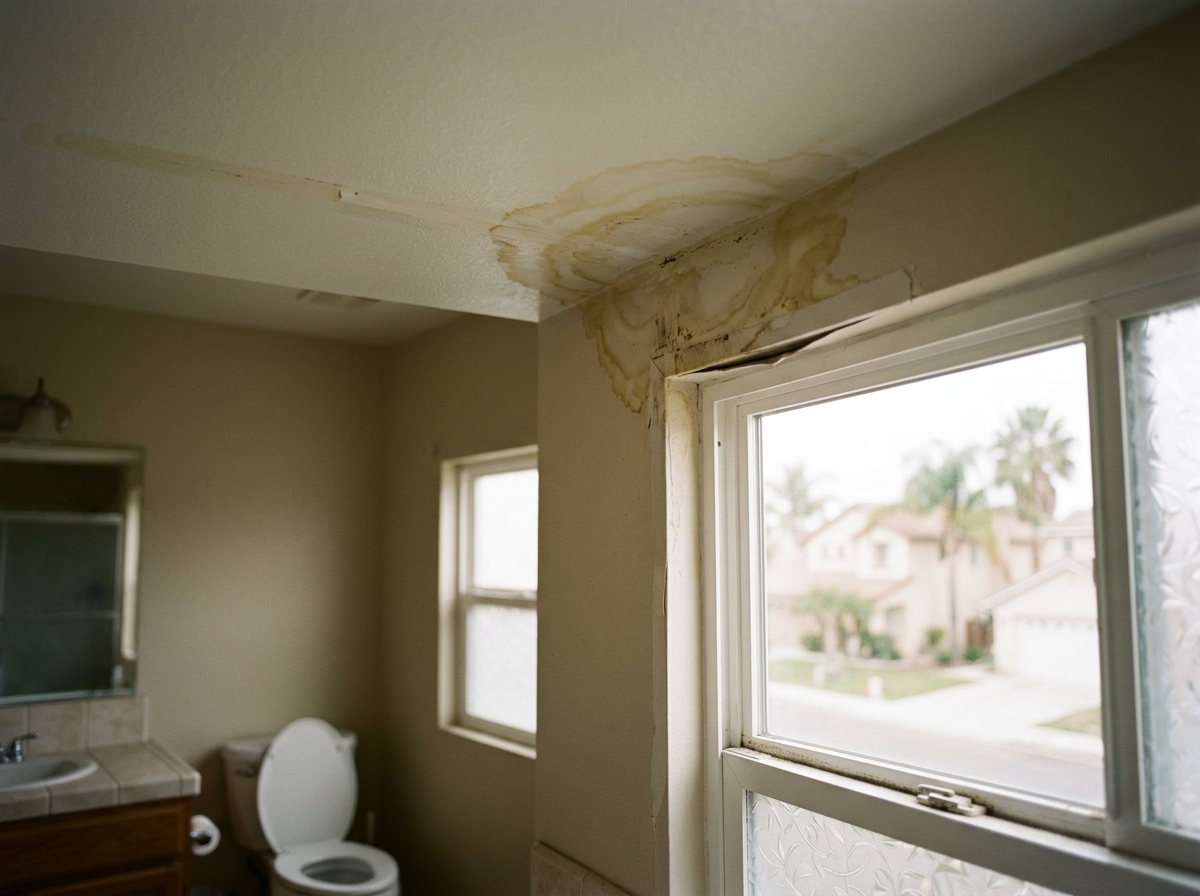
- Water stains on interior ceilings that appear only after a rain event.
- Musty odors in basements that intensify after a downpour.
- Dripping sounds near windows or doors that were dry the day before.
These clues are easy to overlook if you’re not expecting rain‑related damage. A visual inspection performed in dry weather can miss active leaks, which is why we often schedule a follow‑up inspection after the first heavy rain.
Common Entry Points for Water Intrusion
1. Roof and Flashing
- Loose or missing shingles allow water to pool on the roof deck.
- Improperly sealed flashings around skylights, chimneys, and vent pipes channel water into the attic.
- In Temecula’s newer homes, low‑slope roofs are especially vulnerable if the underlayment was not installed correctly.
2. Gutters and Downspouts
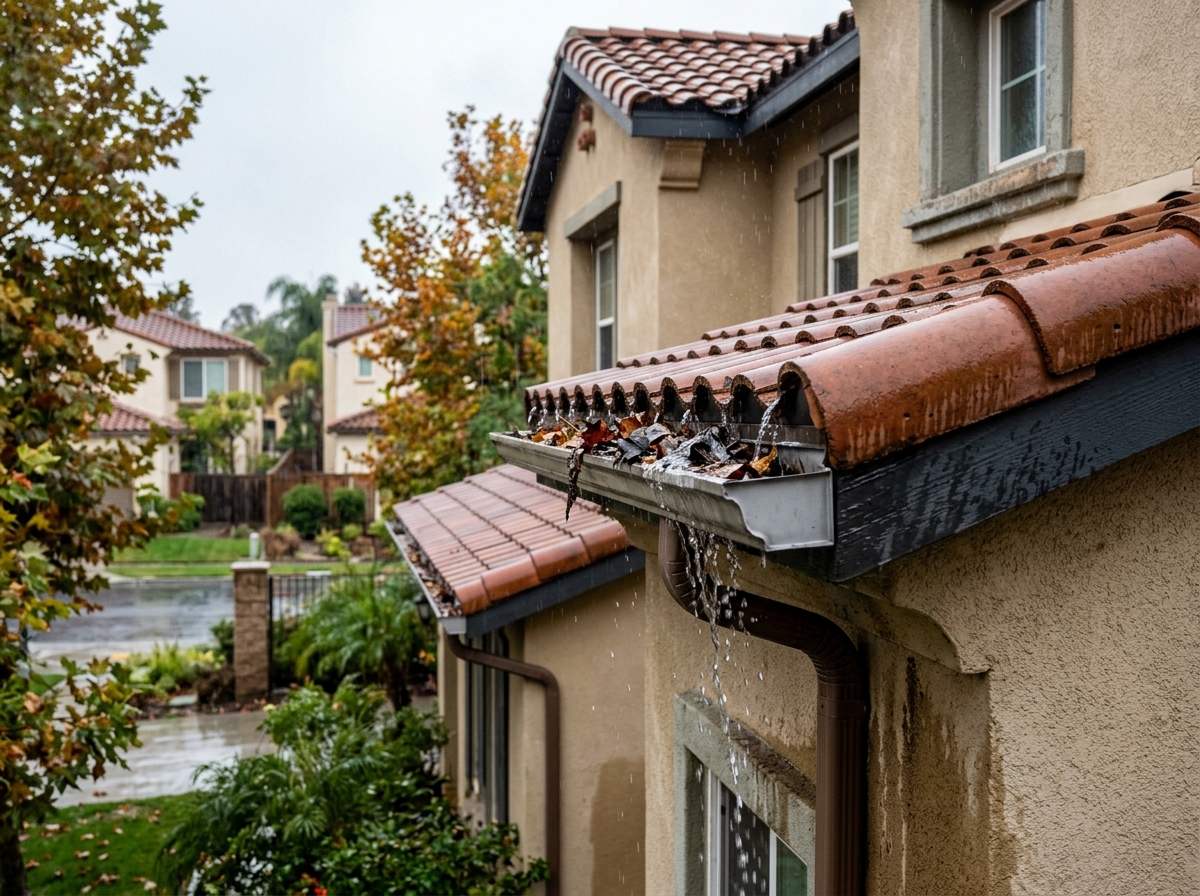
- Clogged gutters force water over the edge, directing it onto siding and the foundation.
- Downspouts that terminate too close to the house can saturate the soil under the slab.
3. Foundation and Crawl Space
- Cracks in poured‑concrete foundations let rainwater seep into the crawl space.
- Poor grading on sloped lots—common in the Wine Country hills—can funnel water toward the foundation.
4. Exterior Walls and Windows
- Improperly sealed windows allow water to travel behind siding.
- Brick veneer with damaged mortar joints can let rain infiltrate the wall cavity.
5. Plumbing Penetrations
- Leaking supply lines or drainage pipes hidden behind walls often become evident only when rain adds pressure to the system.
Identifying these entry points early can prevent mold growth, wood rot, and costly structural repairs.
How a Professional Inspection Catches Problems Early
Marine One Property Inspections uses a combination of traditional visual checks and technology‑driven services to see what the naked eye can miss:
- Drone Roof Inspection – Captures high‑resolution images of roof surfaces, flashings, and vents without climbing ladders. The drone’s thermal camera can also highlight hidden moisture.
- CrawlBot Foundation Inspection – A small, wheeled robot enters tight crawl spaces to photograph foundation walls, checking for cracks, water pooling, and mold.
- Sewer Camera Scoping – A waterproof camera traverses the home’s sewer lines, revealing blockages or cracks that could back‑up during heavy rain.
- Mold Air Quality Testing – After a rain event, we can test indoor air for spores that thrive in damp conditions, providing a baseline for remediation.
- Radon Testing Monitoring – Rain can affect soil pressure and, consequently, radon levels. Continuous monitoring ensures you stay within safe limits.
These services are available throughout Temecula, San Diego, Orange County, the Inland Empire, and surrounding cities, giving homeowners a full picture of how water interacts with their property.
What to Expect During Your Inspection
- Pre‑Inspection Consultation – We discuss recent weather patterns, any visible stains, and your specific concerns (e.g., a leaky roof after the last storm).
- Exterior Survey – We walk the perimeter, checking roof condition, gutters, downspouts, grading, and foundation visible from the outside.
- Interior Review – Attic, basement, and crawl spaces are inspected for moisture, stains, and ventilation issues.
- Technology Deployment – Depending on the findings, we may launch the drone, deploy the CrawlBot, or run a sewer camera.
- Report Delivery – Within 24‑48 hours you receive a detailed, photo‑rich report with actionable recommendations and, when appropriate, referrals to specialists for remediation.
Our goal isn’t to sell you a service; it’s to give you a clear understanding of your home’s condition so you can make informed decisions.
Take the Next Step with Marine One Property Inspections
If the recent rains have left you uneasy, or if you’re preparing to buy, sell, or simply maintain your Temecula home, a focused inspection can provide peace of mind. Feel free to reach out to me, Orlando Martinez, for a no‑obligation conversation about what we can look for in your specific property. Whether you need a full residential inspection, a targeted roof drone survey, or a sewer camera scope, we’re ready to help you protect your investment—one rainstorm at a time.