
How Temecula Homebuyers Read and Prioritize Their Inspection Report – A Guide from Marine One
By Orlando Martinez · October 8, 2026 · 4 min read
Temecula’s summer heat can turn a simple home walk‑through into a race against the sun and dust. As Orlando Martinez of Marine One Property Inspections often hears, new buyers and sellers receive a thick, photo‑filled report and wonder where to start.
The reality is that a good inspection report is a roadmap, not a wall of jargon. By learning how the document is organized and what the inspector flags as urgent, you can make confident decisions—whether you’re buying, selling, or planning a warranty‑protected renovation. The following steps break down the report into manageable pieces, using real‑world examples from the Temecula valley, nearby Riverside neighborhoods, and the broader Inland Empire region.
The Report’s Layout – What You’re Looking At
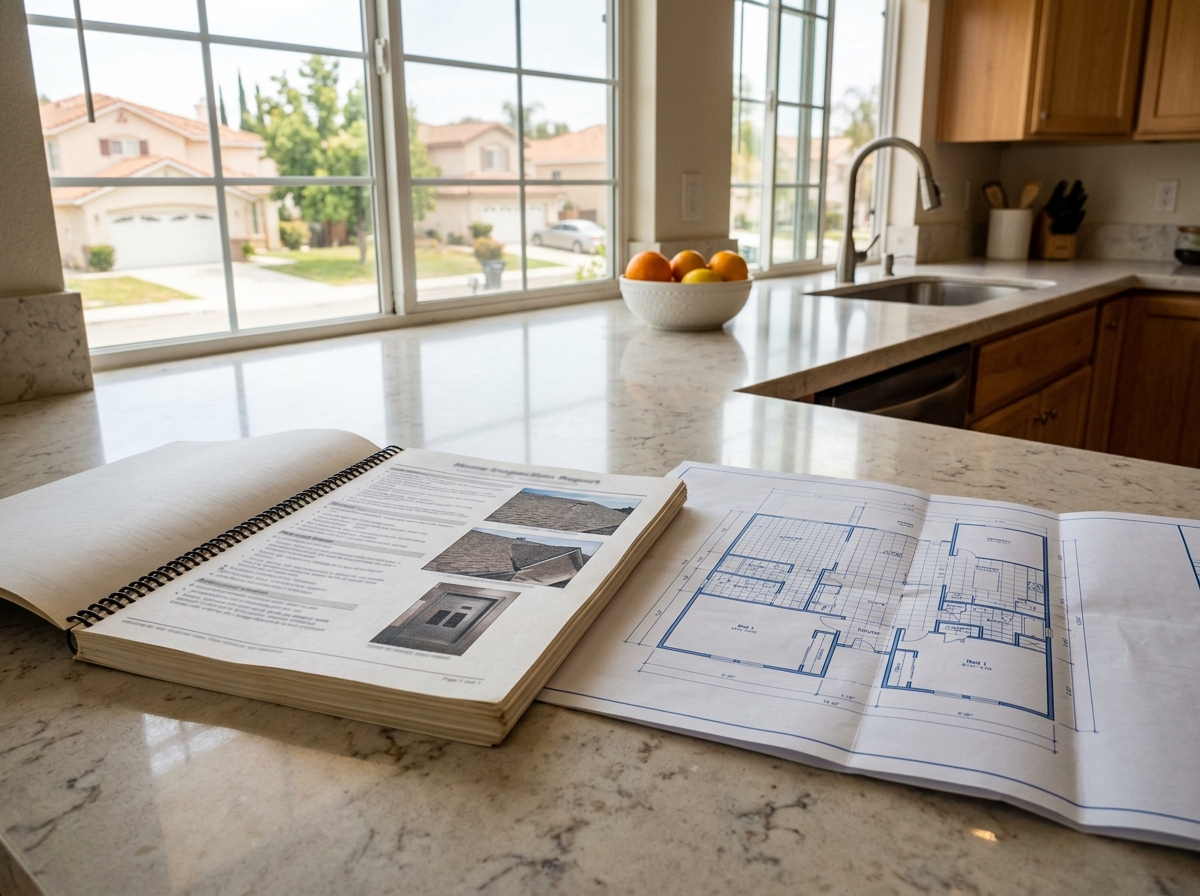
Marine One’s reports follow a consistent structure, so once you know the sections you can skim with purpose.
- Executive Summary – A one‑page snapshot of the most critical findings. Think of it as the “headlines” you’d read in a newspaper.
- System‑by‑System Details – Separate chapters for roof, exterior, foundation, plumbing, electrical, HVAC, and interior. Each chapter includes photos, a brief description of the condition, and a recommendation rating (e.g., Repair, Monitor, Replace).
- Specialized Services – If you requested a Sewer Camera Scoping, Radon Testing, or a Drone Roof Inspection, the results appear in dedicated appendices with video stills or sensor read‑outs.
- Glossary & Definitions – A quick reference for technical terms like “thermal bridging” or “crawl space moisture level.”
Understanding this layout lets you jump straight to the sections that matter most to you—whether you’re a first‑time buyer worried about structural safety, or a seller needing to address a minor roof leak before listing.
Safety‑Critical Findings First
The first priority is anything that could endanger occupants or cause immediate damage. In Temecula’s hot‑dry climate, certain hazards appear more often:
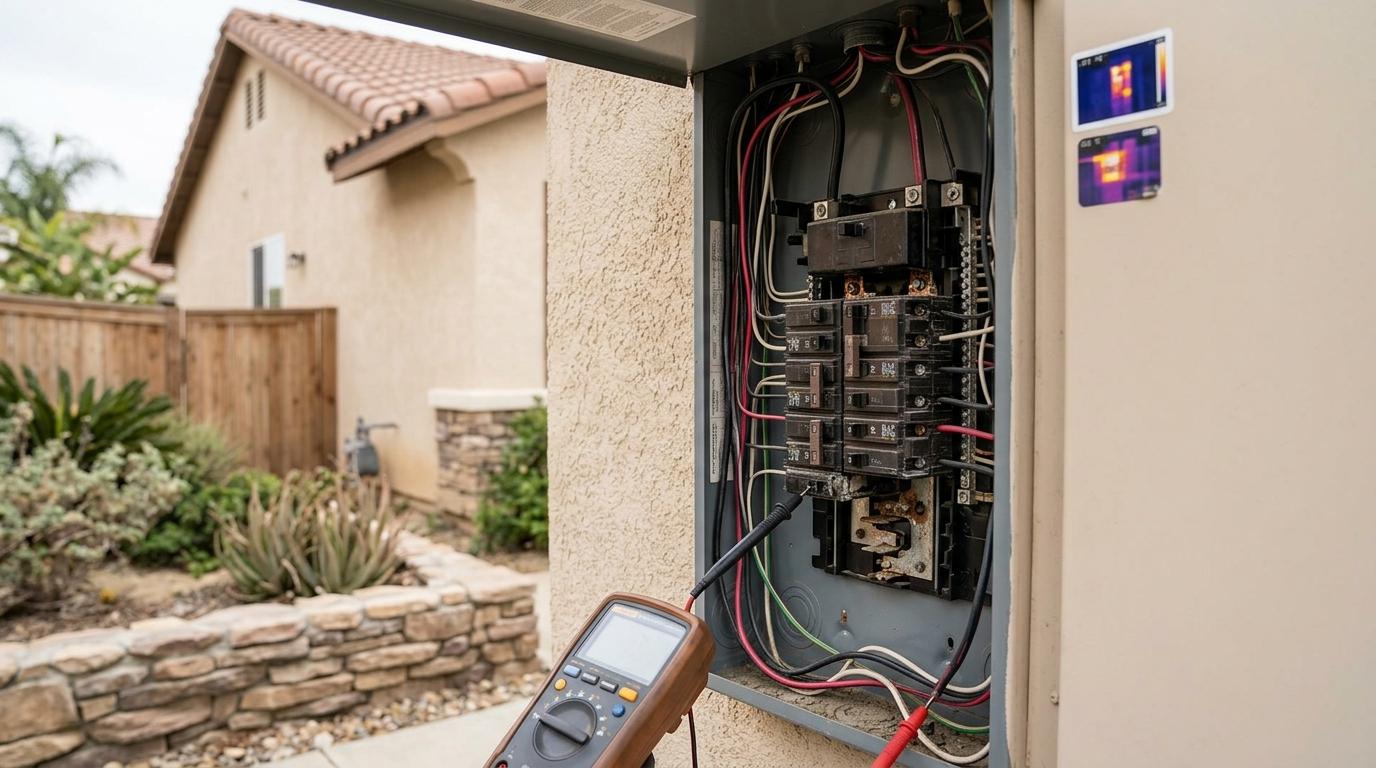
- Electrical Overloads – Over‑fused circuits or exposed wiring, especially near outdoor lighting or pool equipment.
- Gas or Combustion Issues – Leaking propane tanks, cracked furnace vent pipes, or malfunctioning water heaters.
- Structural Failures – Cracked load‑bearing walls, sagging roof trusses, or foundation settlement visible after the winter rains.
- Indoor Air Quality – Elevated radon levels (common in the San Bernardino basin) or mold growth in damp crawl spaces.
- Water Intrusion – Blocked gutters overflowing during a sudden Santa Ana windstorm, leading to roof leaks.
If any of these appear in the executive summary, treat them as high‑priority items. Schedule a qualified electrician, plumber, or structural engineer to verify the condition before proceeding with a purchase or sale.
Cost‑Impact Items: Repair vs. Replace
Not every finding is an emergency, but many affect your wallet. Distinguish between repair‑now, monitor, and replace‑soon recommendations:
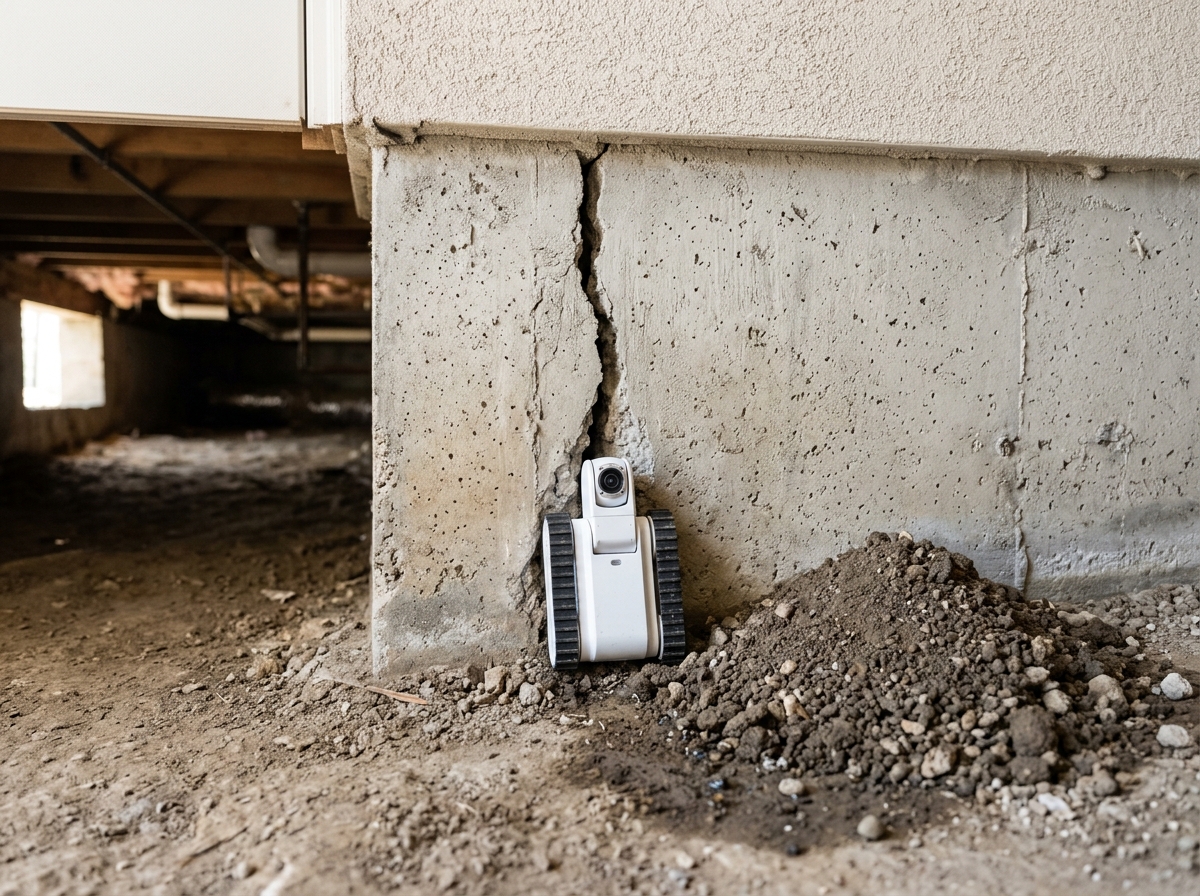
- Foundation Cracks – Small hairline cracks may be monitored, but vertical or horizontal cracks often require a CrawlBot Foundation inspection and possible underpinning. A professional foundation contractor can give you a repair estimate.
- Roof Damage – Shingle delamination or missing flashing identified by our Drone Roof Inspection may be repaired patch‑style, but extensive membrane wear usually means a full roof replacement.
- HVAC Systems – An aging furnace with low efficiency can be repaired for a short term, but replacement is more cost‑effective in the long run, especially given Temecula’s cooling needs.
- Plumbing – Sewer Camera Scoping might reveal a minor pipe obstruction (easy to clear) or a collapsed main line (requiring excavation). The report will note the severity so you can prioritize.
- Exterior Elements – Cracked stucco or deteriorated siding may be cosmetic now but could lead to water intrusion if left unattended.
By categorizing each item, you can create a phased repair plan that aligns with your budget and timeline.
Next Steps – Turning the Report into a Plan
Now that you’ve identified safety‑critical and cost‑impact items, the next move is simple:
- Ask Questions – Reach out to Orlando Martinez or the Marine One team for clarification on any photo or recommendation you don’t understand.
- Get Specialist Quotes – Use the report’s specific references (e.g., “Section 4, Photo 12”) when you contact electricians, structural engineers, or HVAC technicians. This saves time and avoids miscommunication.
- Prioritize Actions – Start with the high‑priority safety items, then schedule repairs or replacements based on the cost‑impact categories.
- Document Progress – Keep a log of completed work, receipts, and updated photos. This documentation is valuable for warranty claims or future resale.
If you’re buying a home in Temecula, Riverside, or the surrounding Inland Empire, a clear action plan turns a daunting report into a roadmap for a safe, comfortable residence.
Need a second look or want to discuss the findings? Orlando and the Marine One crew are happy to walk you through the report, answer your questions, and schedule any follow‑up services—whether it’s a radon retest, a mold air‑quality check, or a detailed foundation crawl. Feel free to reach out; we’re here to help you move forward with confidence.