
Keeping Riverside Foundations Dry: Seasonal Tips from Marine One’s CrawlBot Inspection
By Orlando Martinez · October 1, 2026 · 3 min read
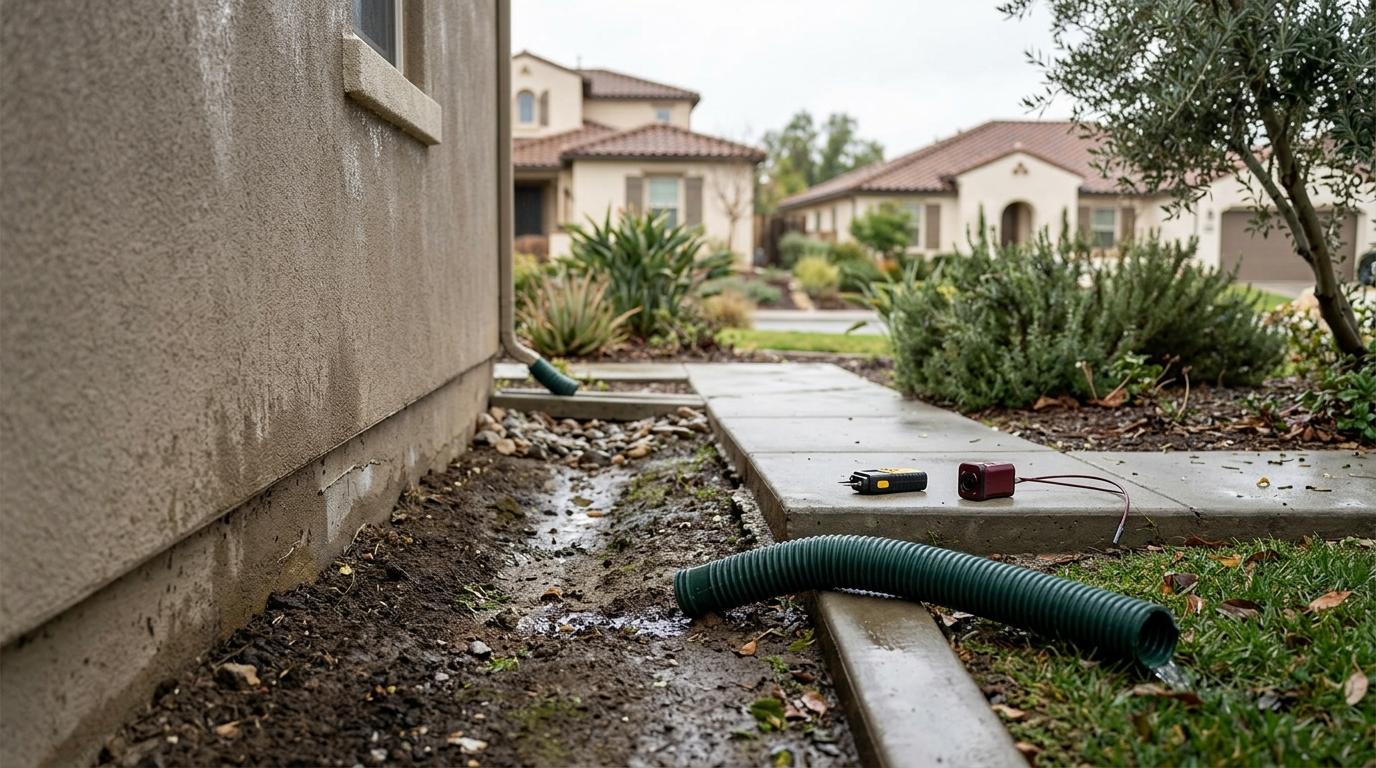
A Riverside Rainy‑Season Wake‑Up Call
When the first November storm hits the Riverside‑Temecula corridor, many homeowners think the rain is just a short‑term inconvenience. In reality, the seasonal downpour can raise the water table, saturate the native clay soils, and push moisture against footings that sit just a few feet below the surface. I’ve seen homes in Riverside and neighboring San Bernardino where a single heavy storm left a noticeable shift in the slab, cracking interior drywall and exposing damp patches in crawlspaces.
If you’re planning to buy, sell, or simply protect your own property, the rainy season is the perfect time to ask the right questions about your foundation’s health. That’s why Marine One Property Inspections uses the CrawlBot – a low‑profile robot that gets into tight crawlspaces and reports on moisture, cracks, and drainage issues before they become costly repairs.
Why the Riverside Rainy Season Tests Foundations
Soil, Water, and Time
- Clay‑rich soils dominate much of Riverside and the Inland Empire. Clay expands when it absorbs water, exerting lateral pressure on concrete footings. When the rains subside, the soil contracts, sometimes leaving small gaps that allow water to infiltrate.
- Winter storms bring more than 10 inches of rain on average between November and March. The sustained saturation can overwhelm typical drainage systems, driving water toward the foundation.
- Historic homes built before modern waterproofing codes (common in older Temecula neighborhoods) often lack interior drainage or proper grading.
These factors combine to create a perfect storm for foundation stress. A visual inspection alone can miss hidden moisture behind walls or under concrete slabs – the exact situations where the CrawlBot shines.
What the CrawlBot Can See That Traditional Inspections Miss
Inside the Crawlspace
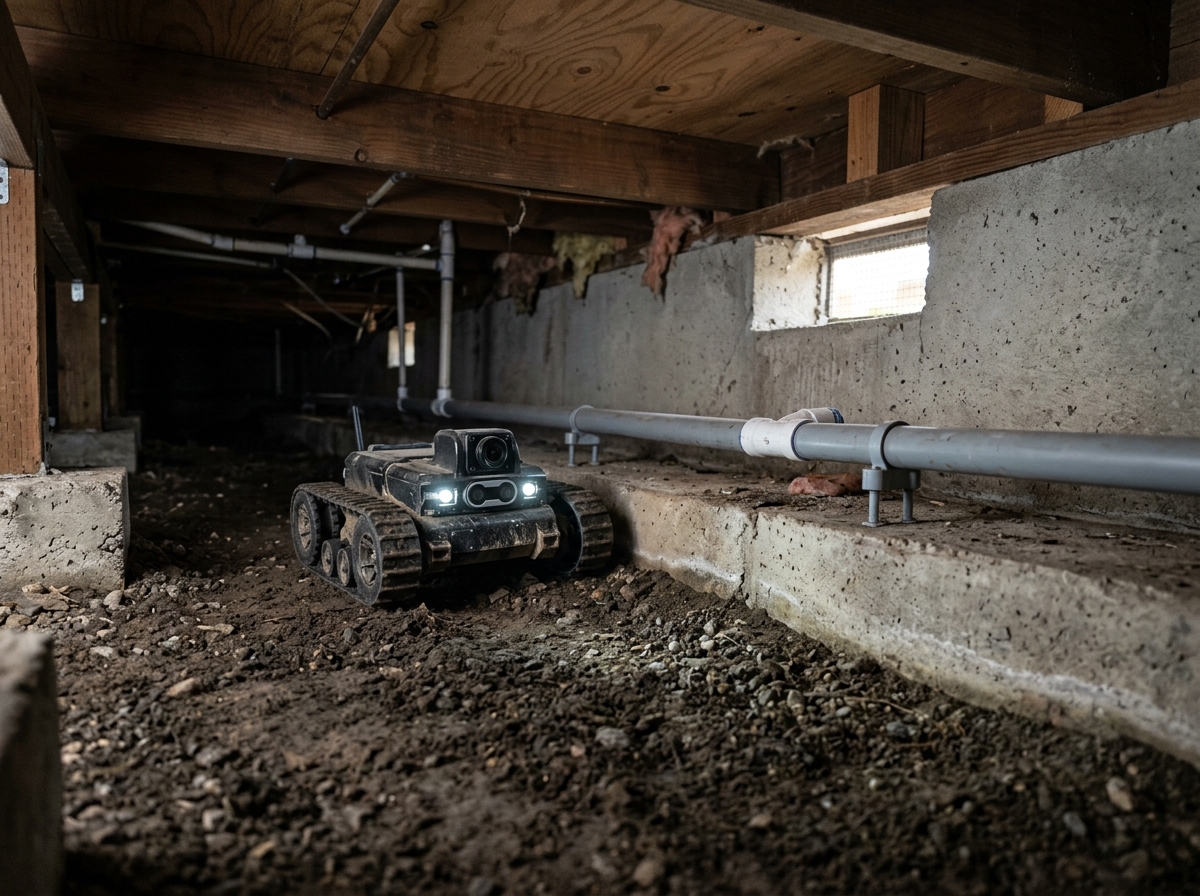
The CrawlBot is a compact, wheeled robot equipped with a high‑resolution camera and moisture sensors. It can travel under a home’s slab, around utility lines, and even climb short steps to reach perimeter footings. While I’m driving the robot from the comfort of my office, it streams live video that lets me spot:
- Localized damp spots on concrete footings that indicate water pooling.
- Small cracks that are too low to see from the surface but could widen with repeated wet‑dry cycles.
- Improper venting or blocked insulation that traps humidity, a common precursor to mold growth.
Because the CrawlBot records temperature and humidity data, I can compare readings across different rooms and recommend targeted waterproofing or ventilation upgrades.
Image suggestion: a CrawlBot robot navigating a dark crawlspace under a suburban home in Riverside, with exposed concrete footings and a water pipe.
Top Three Maintenance Actions for Homeowners
Practical Steps to Reduce Foundation Stress
- Grade the Landscape Away from the Home
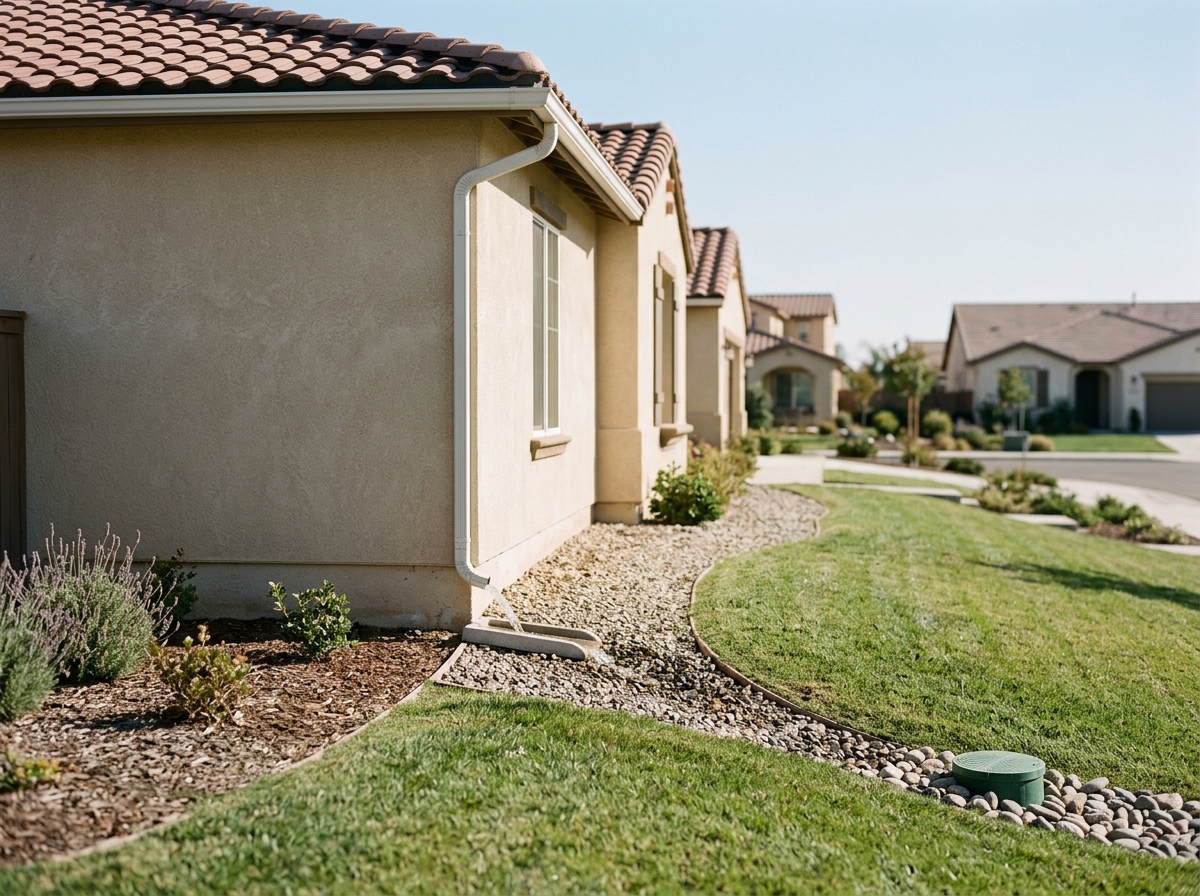
- The soil should slope at least 5% (about 6 inches per 10 feet) away from the foundation. In Temecula’s rolling hills, a simple re‑grading or the addition of a French drain can prevent water from pooling near footings.
- Keep Gutters and Downspouts Clear
- Clogged gutters are a leading cause of foundation water intrusion. Inspect them after each storm, and install extensions that discharge water at least 6 feet from the house. A well‑placed downspout can divert several gallons per minute during a heavy rain.
- Check Interior Waterproofing and Sump Pump Function
- If your home has a basement or crawlspace sump pump, test it before the first heavy rain. Listen for proper operation, and verify that the discharge pipe leads downhill, away from the property line. Adding a battery‑back‑up can protect against power outages common during winter storms.
These actions, combined with a professional CrawlBot inspection, give you a clear picture of any hidden moisture before it damages structural components or encourages mold growth. When moisture is identified, Marine One can also perform mold air‑quality testing and radon monitoring to ensure indoor air remains safe.
Image suggestion: a homeowner’s yard showing a gently sloping lawn with a French drain and a downspout discharging water away from the house foundation in Temecula.
Ready for a Dry, Stable Home?
If you’ve noticed any of the warning signs—damp crawlspace walls, unexpected cracks, or water pooling after a storm—let’s take a closer look together. I’m Orlando Martinez, lead inspector at Marine One Property Inspections, and I can schedule a CrawlBot foundation inspection, a drone roof survey, or a full residential inspection at a time that works for you. Feel free to reach out with questions or to set up an appointment; I’m happy to help you protect your Riverside home through the rainy season and beyond.