
Safety First: Detecting Carbon Monoxide Risks in Orange County Homes
By Orlando Martinez · September 6, 2026 · 3 min read
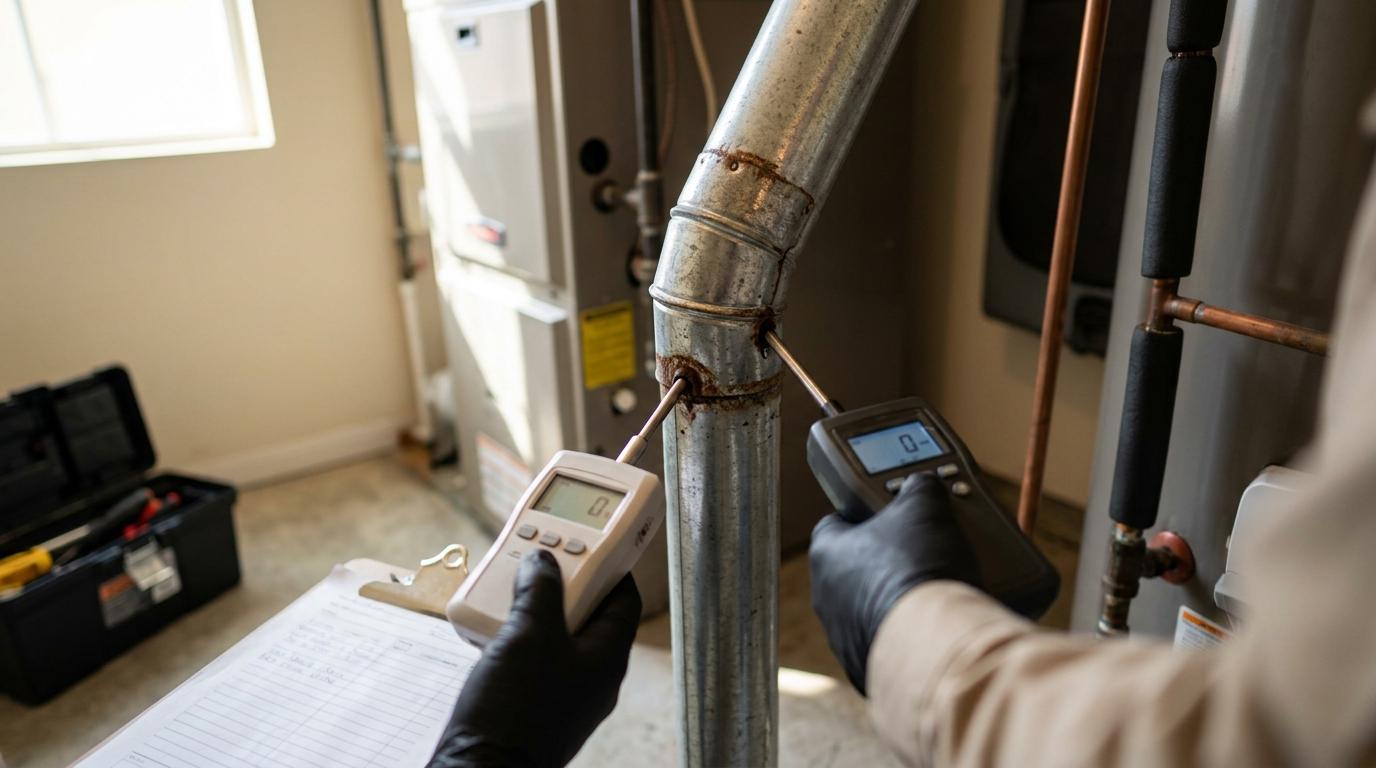
When the sun sets over Orange County’s rolling hills, families settle in for the night. A common, invisible threat—carbon monoxide (CO)—can be brewing right under the roof. I’m Orlando Martinez, lead inspector with Marine One Property Inspections, and I’ve seen how a simple, undetected CO source can turn a cozy home in Temecula or Anaheim into a danger zone. This guide explains what to look for, why local factors matter, and how a thorough inspection can keep your household safe.
Why Carbon Monoxide Is a Hidden Threat in Orange County
Local factors that raise CO risk
- Older gas‑fired appliances – Many neighborhoods in the Inland Empire and Orange County still rely on gas furnaces, water heaters, and patio heaters that were installed decades ago.
- Mild winter climate – Because temperatures rarely plunge below freezing, homeowners often run furnaces only part‑time, which can lead to incomplete combustion when they do fire up.
- Tight‑seal construction – Modern, energy‑efficient homes are great for utility bills, but they also trap gases more effectively, giving CO less chance to disperse.
- Garage‑adjacent living spaces – In the growing housing developments around Riverside and San Bernardino, it’s common to have attached garages where a running car or a leaking exhaust can seep into the home.
Even a small leak can raise CO levels to dangerous concentrations within minutes. Unlike smoke, CO is odorless, colorless, and can cause headaches, nausea, or loss of consciousness before anyone notices.
Common Sources and How to Spot Them
Typical CO generators in Orange County homes
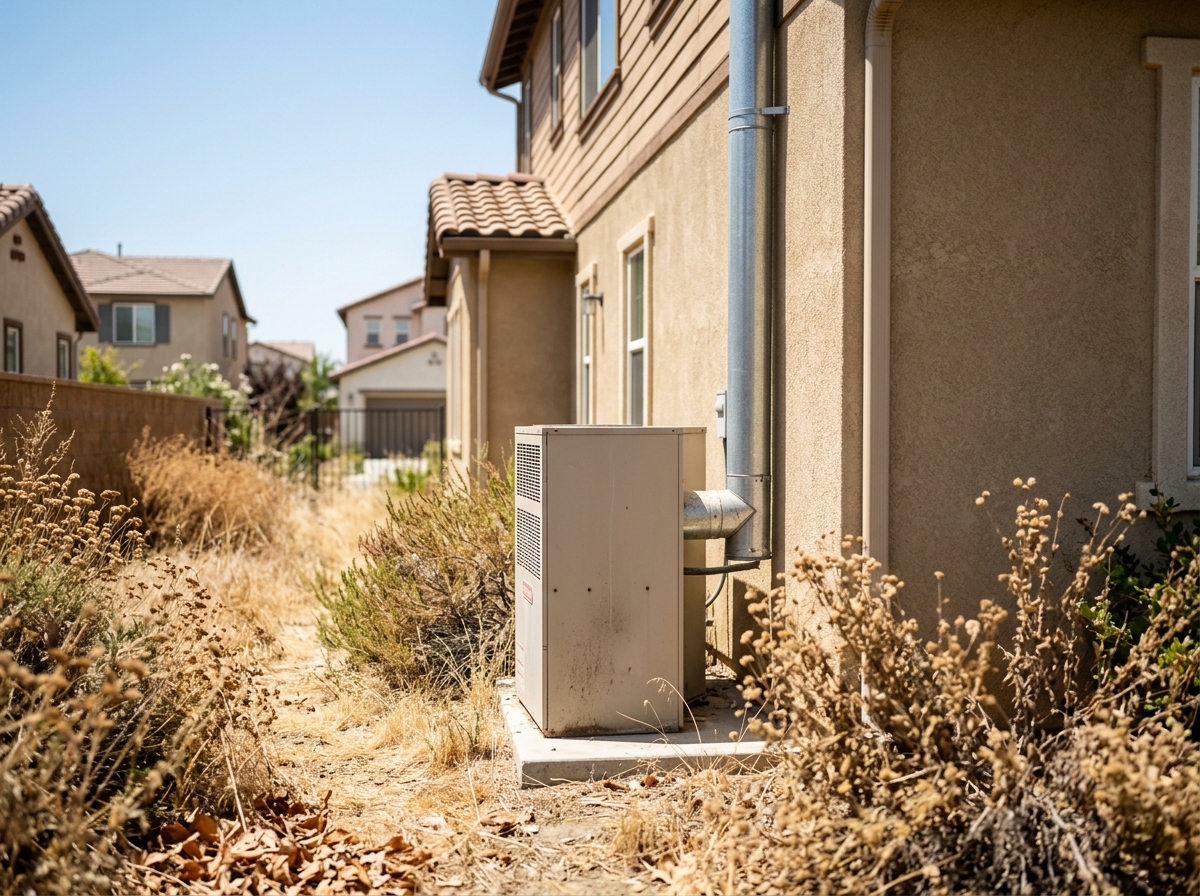
- Furnace or boiler – Look for cracked heat exchangers, rusted vent pipes, or blocked flues.
- Gas water heater – Check for soot buildup around the vent and ensure the draft hood is clear.
- Patio or garage heaters – Portable units should never be used inside enclosed spaces; verify they have proper ventilation.
- Clogged or damaged chimney – A chimney that hasn’t been swept in years can backdraft CO into the living area.
- Exhaust fans and range hoods – Improperly vented appliances can draw combustion gases into the home.
Image suggestion: A backyard gas furnace with a vent pipe extending up the side of a two‑story suburban home in Orange County, surrounded by dry summer foliage.
What an Inspection Looks Like – Our Process
When I arrive on a property, I treat CO detection as a multi‑step investigation:
- Visual assessment – I examine the furnace, water heater, and any attached‑garage exhaust systems for signs of wear, corrosion, or improper installation.
- Vent and flue testing – Using a calibrated combustion analyzer, I measure draft pressure and exhaust gases to confirm that appliances are venting correctly.
- Drone roof inspection – My FAA‑Part 107 licensed drone captures hard‑to‑reach roof vent terminations, ensuring there are no blockages or misaligned caps.
- CrawlBot foundation check – In homes with basements, I look for moisture intrusion that can corrode vent piping.
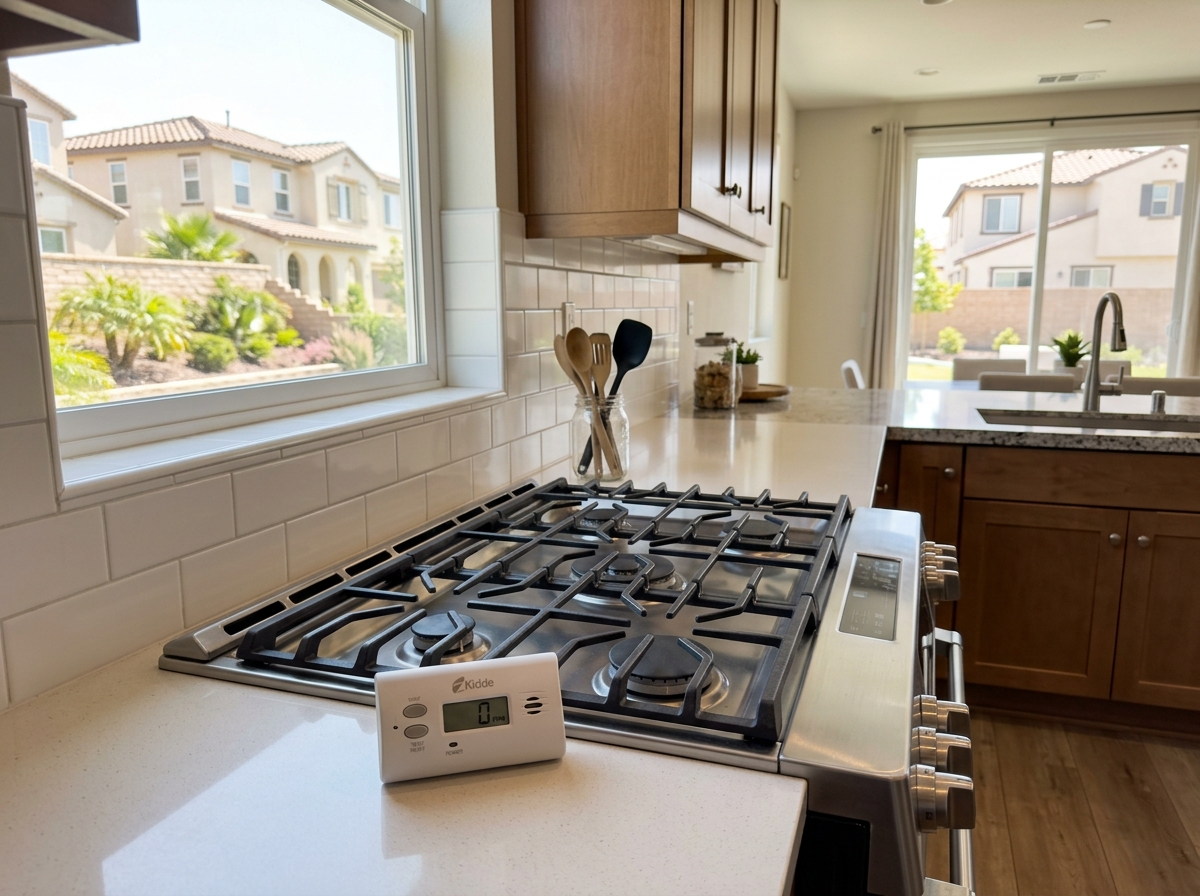
- Portable CO detector placement – I set a handheld CO monitor near the furnace room, kitchen, and any attached garage to gauge ambient levels during a short run‑time.
Image suggestion: A handheld carbon monoxide detector placed on a kitchen counter next to a gas stove in a modern Orange County home, with the detector’s digital readout visible.
When to Test and How Often
- New home purchases – A seller’s inspection should include a CO risk review, especially if the property has an older gas furnace.
- After any appliance repair – When a furnace or water heater is serviced, a follow‑up CO check ensures the repair didn’t introduce new leaks.
- Seasonal checks – In Orange County, the safest times to test are early fall and late winter, when heating systems are in use but outdoor temperatures are mild.
- Annual safety audit – Even if your home passes an inspection, schedule a yearly CO detector check‑up. Replace detectors every 5‑7 years, as recommended by the EPA.
If a detector ever alarms, evacuate immediately and call emergency services. A professional inspection can then pinpoint the source and recommend remediation.
Take the Next Step Toward a Safer Home
If you’re buying, selling, or simply want peace of mind, a carbon‑monoxide risk assessment is a vital part of a comprehensive home inspection. I’m happy to walk you through the findings, answer any questions, and suggest next steps—whether that means a simple detector upgrade or a deeper appliance repair. Feel free to reach out to Marine One Property Inspections to schedule an inspection or to discuss your specific concerns. Your safety is our priority, and we’re here to help you protect it.