
Why Sewer Camera Inspections Matter in Temecula and the Inland Empire
By Orlando Martinez · October 1, 2026 · 2 min read
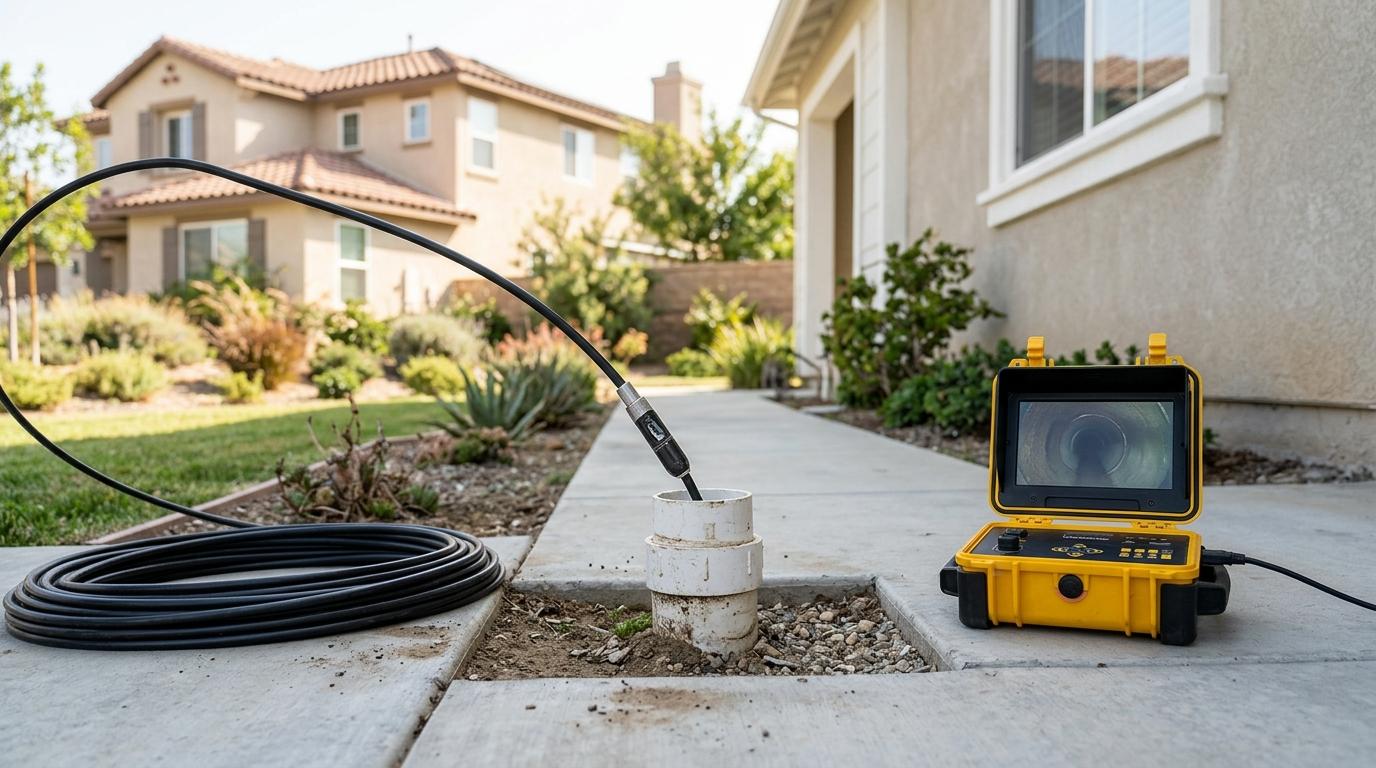
When the first summer storm hits Temecula’s rolling hills, many homeowners notice slow‑draining sinks or a faint smell around the yard. In the Inland Empire’s hot, dry months, the opposite problem—dry, cracked soil—can shift underground pipes, creating gaps that let roots and debris sneak in. Those subtle signs are often the only clue that a sewer line is compromised, and missing them can lead to costly repairs, especially in older ranch‑style homes common in Riverside and San Bernardino counties. A sewer camera inspection gives you a clear, real‑time view of what’s really happening beneath your driveway, before a backup turns into a flood.
How a Sewer Camera Works
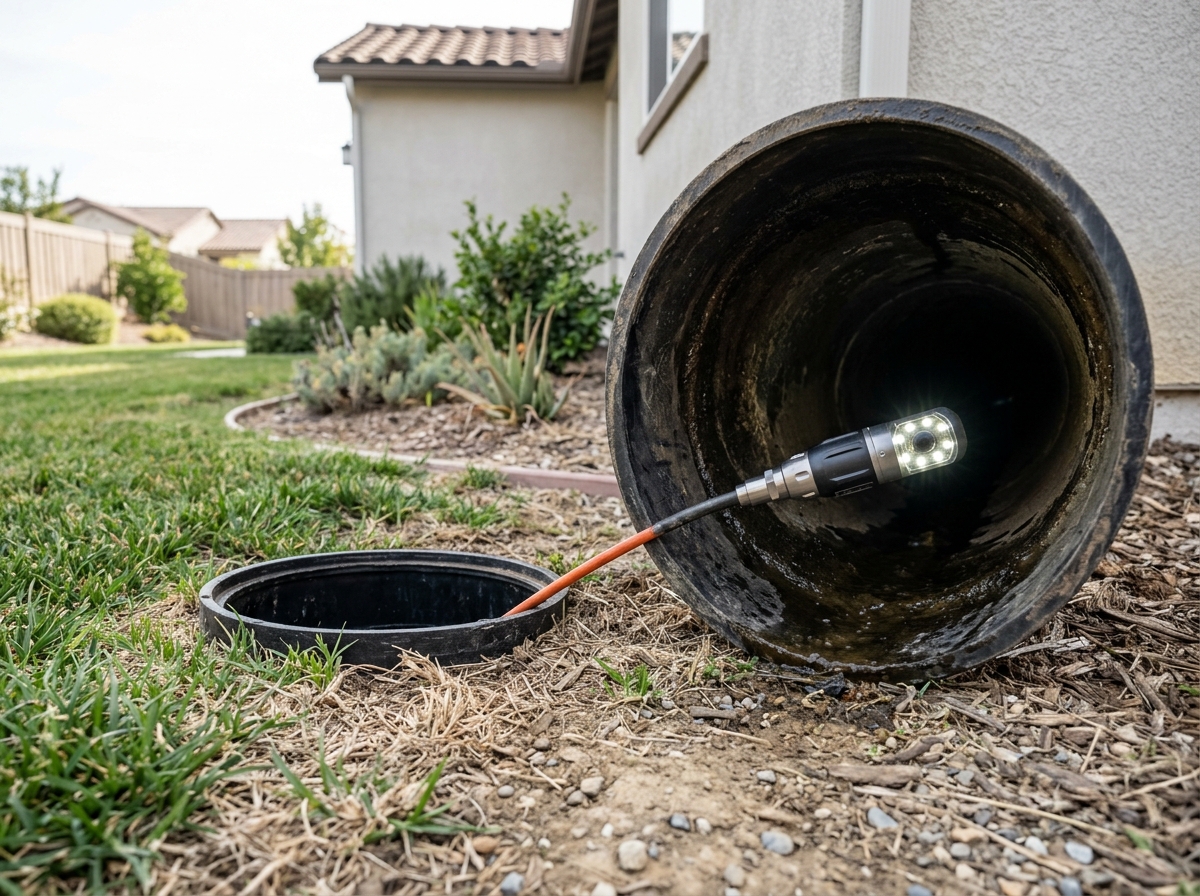
A high‑definition camera attached to a flexible, waterproof probe is fed into the sewer line through an access clean‑out or a small opening in the yard. The camera transmits live video to a handheld monitor, allowing the inspector to:
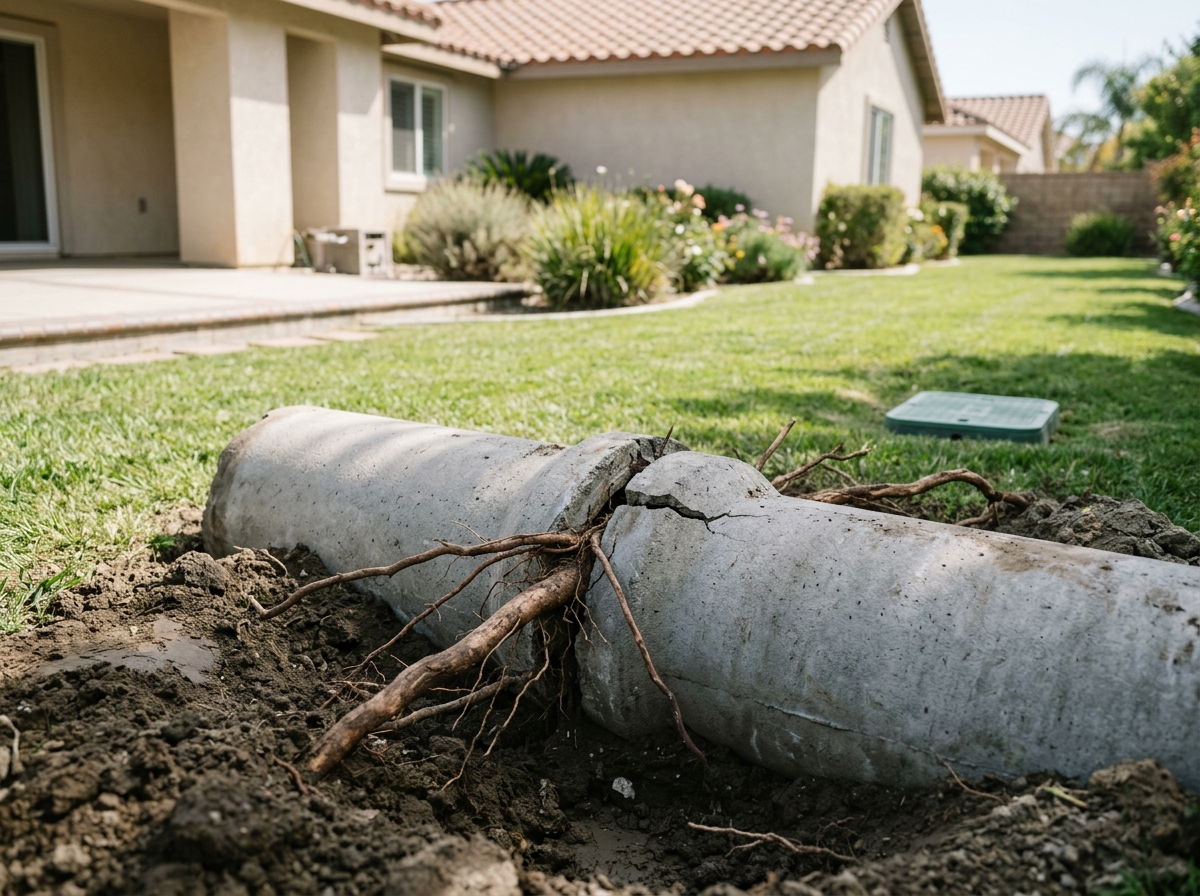
- Identify cracks, joint separations, or collapsed sections.
- Spot intruding tree roots, a common issue in Temecula’s oak‑lined neighborhoods.
- Measure the pipe’s interior diameter and locate any debris buildup.
- Document findings with still images and video clips for the homeowner’s records.
Because the probe can navigate bends and slopes, the inspection reaches areas that traditional “feel‑and‑listen” methods miss. The data is stored securely, so you have a visual record to share with plumbers, contractors, or real‑estate agents.
Common Sewer Issues in Temecula’s Climate
The local environment creates a distinct set of challenges for underground plumbing:
- Tree Root Intrusion: Oak and sycamore roots grow toward moisture, often penetrating aging clay or concrete pipes.
- Sediment and Sand Build‑Up: Seasonal rains in the Temecula Valley wash fine sand into pipes, reducing flow capacity.
- Soil Shifts: The hot, dry summers followed by winter rains cause the soil to expand and contract, stressing pipe joints.
- Corrosion in Older Cast‑Iron Lines: Many homes built before the 1990s still have cast‑iron sewer sections that rust from groundwater acidity.
- Improper DIY Repairs: Homeowners sometimes attempt to clear clogs with chemical cleaners, which can damage pipe interiors.
Spotting these problems early—especially before you list a home for sale or install a new pool—saves both time and money.
When to Schedule a Sewer Camera Inspection
- Buying or Selling a Home: A pre‑sale inspection can reveal hidden defects that might affect the transaction price or require negotiation.
- After a Water Backup: Any sudden backup, even if it seems minor, should be scoped to locate the source before it repeats.
- Before Installing a Pool or Spa: Adding a large water feature increases demand on the sewer system; a camera check ensures the existing line can handle the load.
- Periodic Maintenance for Older Homes: Homes built before 2000 benefit from a camera inspection every 5‑7 years, especially in areas with aggressive tree growth.
- When Planning a Renovation: New bathrooms, kitchens, or additions often involve changes to the waste line; a camera scope confirms the current pipe’s condition before digging.
Marine One Property Inspections can perform the camera scope quickly—often in under an hour—while minimizing disruption to your yard.
If you’ve noticed any of the signs above, or simply want peace of mind about your home’s hidden plumbing, reach out to Orlando Martinez at Marine One Property Inspections. We’ll schedule a sewer camera scope at a time that works for you, walk you through the video findings, and recommend the next steps. No pressure, just clear information to help you protect your investment.