
Should You Get a Radon CRM? A Temecula Home Inspector's Honest Take
By Orlando Martinez · October 26, 2026 · 6 min read
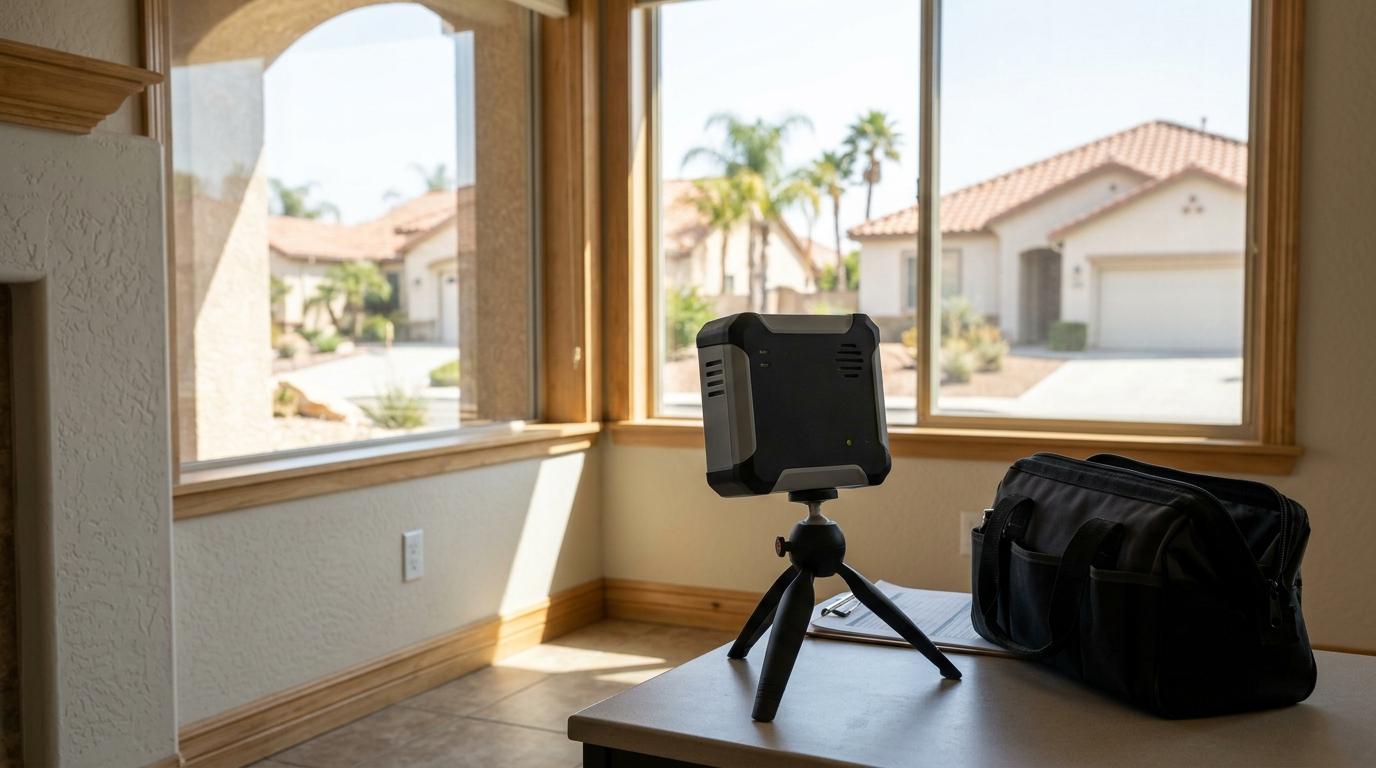
Most homeowners in Temecula don't think about radon until something puts it on their radar — a real estate transaction, a curious neighbor, or a news story about a home in Riverside or San Bernardino County. Then the question comes to me, usually during a walkthrough: "Orlando, should I get a radon CRM?"
It's a fair question, and the honest answer is: it depends on what you're trying to accomplish. A continuous radon monitor (CRM) is a professional-grade electronic device that measures radon levels hour by hour over a testing period. It's different from a $15 charcoal test kit you'd buy at a hardware store. Whether you need one comes down to three things — the purpose of the test, the timeline you're working with, and the standard of accuracy you want.
At Marine One Property Inspections, radon testing is one of the services we offer throughout Temecula, Riverside, San Diego, Orange County, the Inland Empire, and the surrounding areas. Here's how I think about CRMs in plain language, so you can decide what makes sense for your situation.
What a CRM Actually Does (and Why It's Different)
A continuous radon monitor sits in the lowest livable level of the home — typically the basement, first floor, or a slab-on-grade living area — and samples the air on a fixed interval for a set period, usually 48 hours for a real estate transaction. Instead of giving you one lump number at the end, it produces a time-stamped record of radon concentration.
That record matters for a few reasons:
- Tamper detection. A CRM logs movement, power interruptions, and unusual conditions. Charcoal kits can't tell you if a window was opened mid-test.
- Hourly detail. Radon fluctuates with weather, HVAC operation, and barometric pressure. A CRM shows you the pattern, not just the average.
- Repeatability. If a result comes back elevated, a second CRM test can be compared apples-to-apples with the first.
For a real estate transaction — say a buyer in Murrieta or Temecula putting an offer on a home built in the 1980s — a CRM is usually the right tool. It's defensible, it's documented, and it's what most relocation and lending timelines expect when radon is part of the deal.
When a CRM May Be Overkill
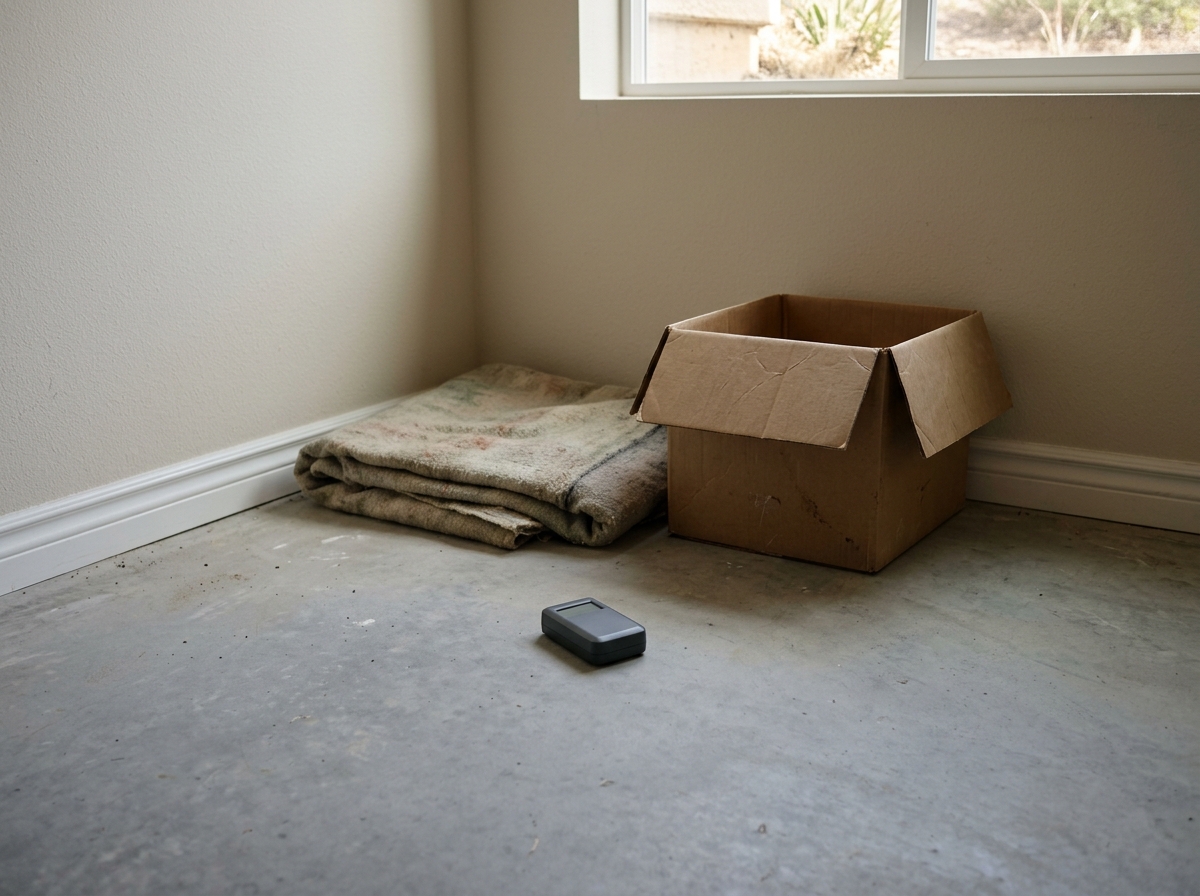
Not every homeowner needs a CRM. If you're simply curious whether your home has a radon issue and you're not on a clock, a short-term passive test can give you a reasonable first look. If that result is low and you're comfortable with a one-time snapshot, you may not need anything more elaborate.
Where I'd push back on skipping a CRM:
- You're buying or selling. The result may be reviewed by another party, and a documented electronic test holds up better than a kit you mailed in.
- You've already tested high once. A second test with a CRM helps confirm whether the first reading was real or a fluke.
- The home has unusual construction. Here in the Temecula area, we see a mix of slab-on-grade tract homes, homes with daylight basements cut into hillsides, and properties in the surrounding foothills with crawlspaces. Those variations can affect how radon accumulates, and hourly data helps tell the story.
- You want ongoing peace of mind. Some homeowners choose periodic CRM testing as part of a routine — similar to how they'd schedule a sewer camera scope or a drone roof inspection every few years.
One important caveat: no test — CRM or otherwise — is a guarantee. Radon levels change with seasons, weather, and how the home is operated. A low reading today doesn't promise a low reading forever, and a high reading doesn't necessarily mean a health emergency. It means you have information, and information is the point.
Radon in Southern California: What We Actually See
Radon is often framed as a "basement state" problem — Pennsylvania, Iowa, Colorado. Southern California isn't the first region people picture. But radon comes from the natural decay of uranium in soil and rock, and our region has its share of granite, decomposed granite, and fault-adjacent geology.
We've tested homes in Temecula, Riverside, San Bernardino, and out toward the Inland Empire where readings came back higher than the homeowner expected. We've also tested plenty where the number was low. The only way to know is to test — guessing based on ZIP code or the age of the home isn't reliable.
A few local factors that come up in conversation:
- Slab-on-grade construction is common across much of Temecula and Murrieta. Radon can migrate through slab cracks and utility penetrations.
- Hillside and canyon homes sometimes have retaining walls and daylight basements that change how soil gas moves.
- Seasonal weather matters. Our hot, dry summers and cooler winters affect how often windows and doors stay open, which in turn affects indoor radon concentrations.
If you're in Anaheim, Orange County, or San Diego and you've never tested, a one-time test is a reasonable starting point. If you're in escrow, a CRM is the more appropriate tool.
How Marine One Handles Radon Testing
When a client asks us to test for radon, we approach it the same way we approach any part of a home inspection: carefully, with the right equipment, and with clear communication about what the results do and don't mean.
Our process typically looks like this:
- Placement. The monitor goes in the lowest livable level, following standard protocols for closed-house conditions.
- Duration. For real estate transactions, that's usually a 48-hour test. Longer monitoring is available when a homeowner wants a broader picture.
- Retrieval and reporting. We collect the device, review the hourly data, and walk you through what the numbers mean — not just the average, but the peaks and patterns.
- Next steps. If mitigation is warranted, we'll point you toward qualified radon mitigation professionals. We don't perform mitigation ourselves; our job is to give you an accurate picture.
We also offer mold and air quality testing, sewer camera scoping, CrawlBot foundation inspections, and drone roof inspections — so if you're already scheduling one service, it's often efficient to bundle a radon test with the rest of your inspection. That's especially true for buyers in Temecula and the surrounding areas who are working against a contingency deadline.
One thing I want to be clear about: an inspection — including a radon test — is a limited, visual, and instrumented evaluation of conditions at the time of the inspection. It's not a warranty, and it's not a guarantee that nothing will ever change. It's a snapshot, done by someone who knows what to look for.
So — Should You Get a CRM?
Here's my short answer:
- If you're in a real estate transaction, yes — a CRM is generally the right call. It's documented, defensible, and standard for the timeline.
- If you already tested high and want confirmation, yes — a CRM gives you the hourly detail a kit can't.
- If you're a homeowner who's simply curious, a one-time test is a reasonable first step. If it comes back elevated, then consider a CRM for follow-up.
- If you've never tested at all, start there. The most important thing isn't which device you use — it's that you test.
Radon is one of those issues where the cost of not knowing is higher than the cost of finding out. And unlike a lot of home concerns, it's genuinely easy to measure.
Have Questions About Radon in Your Home?
If you're in Temecula, Murrieta, Riverside, San Bernardino, Anaheim, San Diego, Orange County, or anywhere in the Inland Empire and you're trying to figure out whether radon testing makes sense for your situation, I'm happy to talk it through. No pressure, no scripts — just a straight answer.
Marine One Property Inspections offers radon testing and monitoring alongside residential inspections, seller inspections, warranty inspections, pool and spa inspections, sewer camera scoping, mold and air quality testing, CrawlBot foundation inspections, drone roof inspections, and multi-unit and commercial work. If you'd like to schedule a test or ask a question about your home, reach out and we'll find a time that works.
Orlando Martinez Marine One Property Inspections