
Summer Radon Monitoring Tips for San Diego Homeowners
By Orlando Martinez · October 14, 2026 · 3 min read
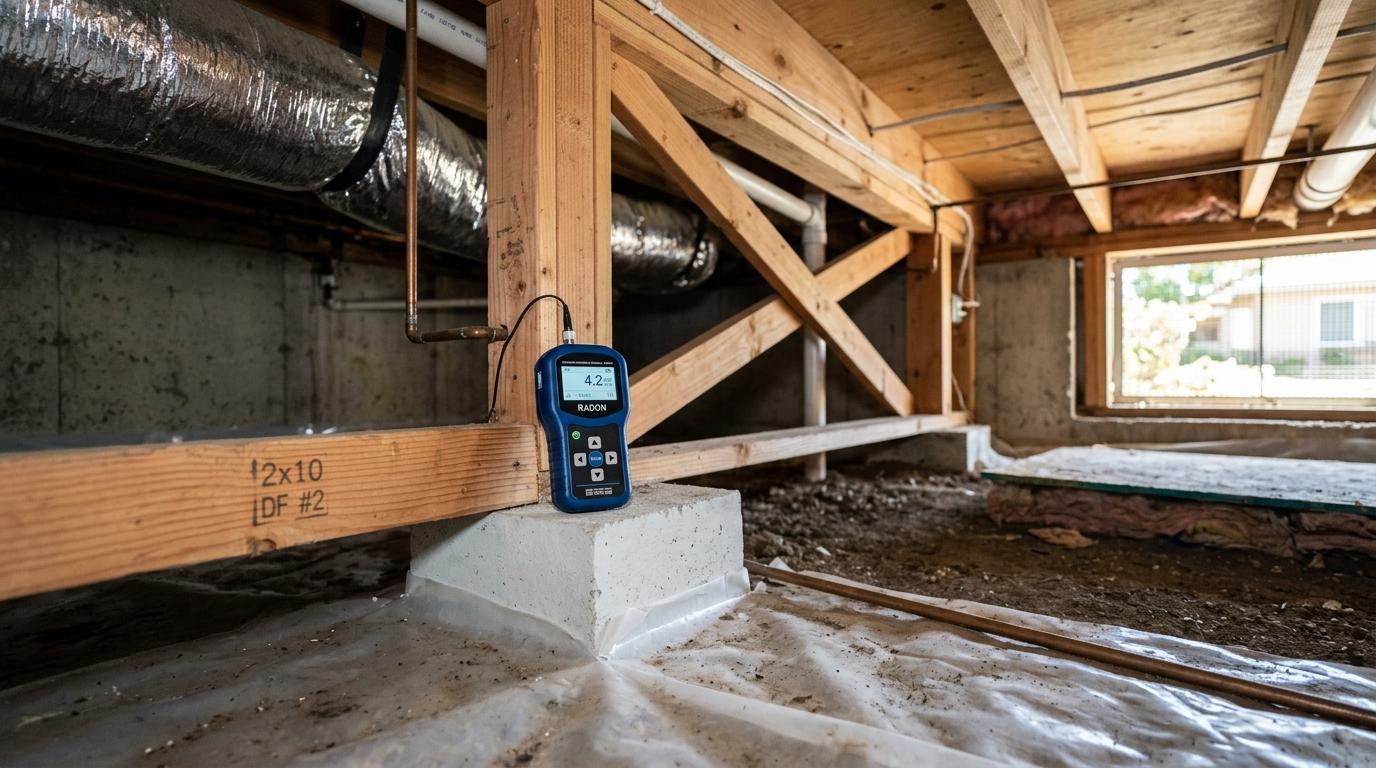
When the sun is blazing over San Diego’s coastal hills, the last thing most homeowners think about is indoor air quality. Yet during a recent summer inspection in a North County family home, the radon detector I placed on the lowest level jumped from a safe 2.2 pCi/L to 4.8 pCi/L within a week of the first heat wave. A quick conversation revealed that the family had been keeping windows wide open to cool the house, unintentionally pulling more soil gas inside. If you live in the same breezy neighborhoods that stretch from La Jolla to Temecula, that spike could happen to you, too. Below are the concrete steps you can take now to keep radon under control while the temperature climbs.
Why Summer Can Raise Radon Levels in San Diego
- Warmer soil draws more radon upward. As the ground beneath our homes heats, the pressure in the soil decreases, encouraging radon to move toward lower‑pressure openings in the foundation.
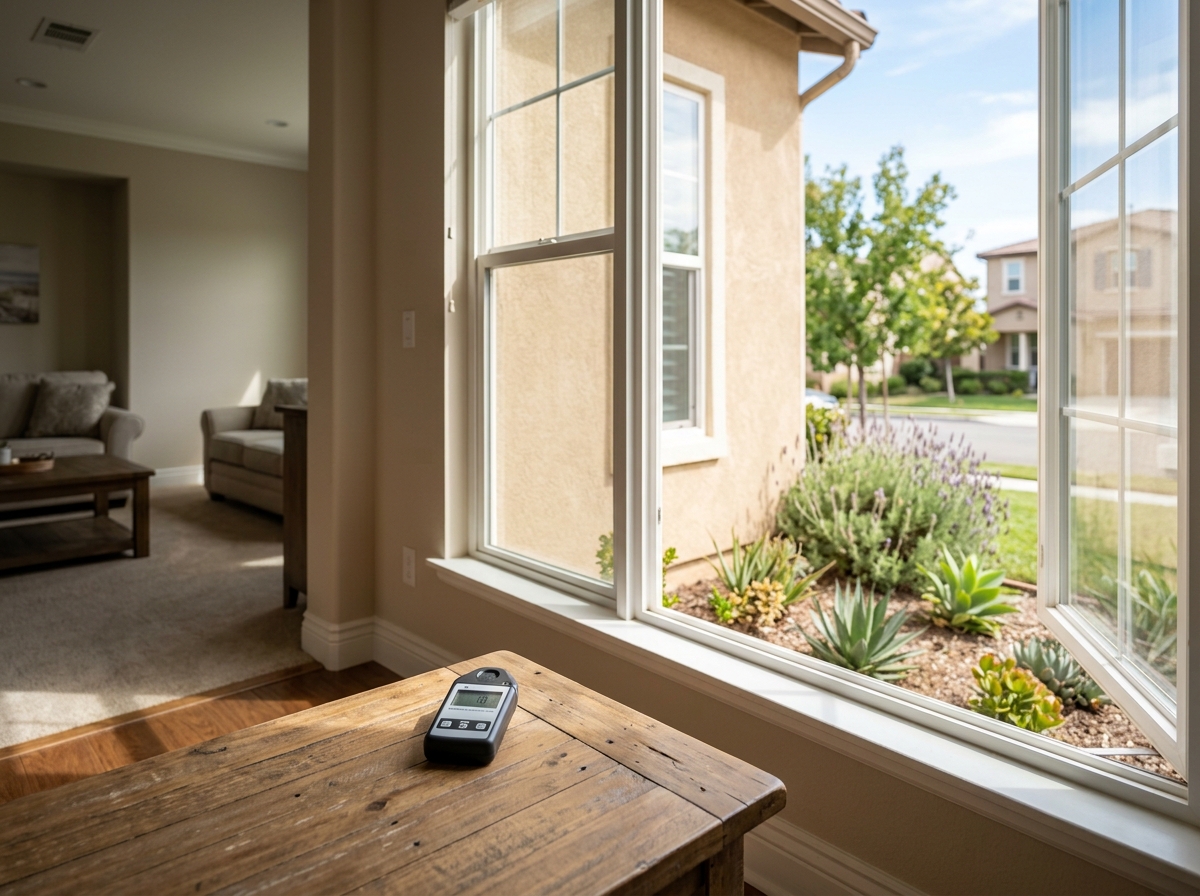
- Increased ventilation changes pressure differentials. Opening windows, doors, or using exhaust fans creates a suction effect that can pull radon from the crawl space into living areas.
- Air‑conditioning systems can circulate radon. Central HVAC units often pull air from the basement or crawl space and distribute it throughout the house, especially when the system runs continuously in the summer.
- Seasonal landscaping work can disturb the soil. Adding a patio, planting a garden, or even a minor foundation repair in the Inland Empire or Riverside area can open new pathways for radon.
Understanding these local factors helps you recognize why a radon level that was fine in winter might need a fresh look in July.
Three Easy Steps to Keep Your Summer Radon in Check
- Establish a baseline before the heat arrives. Place a short‑term radon monitor on the lowest lived‑in level for at least 48 hours in early May. Record the reading and keep the device where you’ll remember it.
- Seal obvious entry points. Check the basement or crawl‑space for gaps around pipes, utility openings, and slab cracks. A simple silicone caulk or expanding foam can reduce the flow of soil gas.
- Maintain consistent ventilation. Rather than leaving windows wide open, use screened vents or a programmable exhaust fan that runs only when needed. If you run your AC continuously, consider a fresh‑air intake that draws filtered outdoor air instead of pulling from the foundation.
These actions cost little, take under an hour, and are tailored to the typical construction styles you’ll find in Temecula, San Diego, and surrounding Orange County neighborhoods.
When to Call a Professional – Marine One’s Summer Services
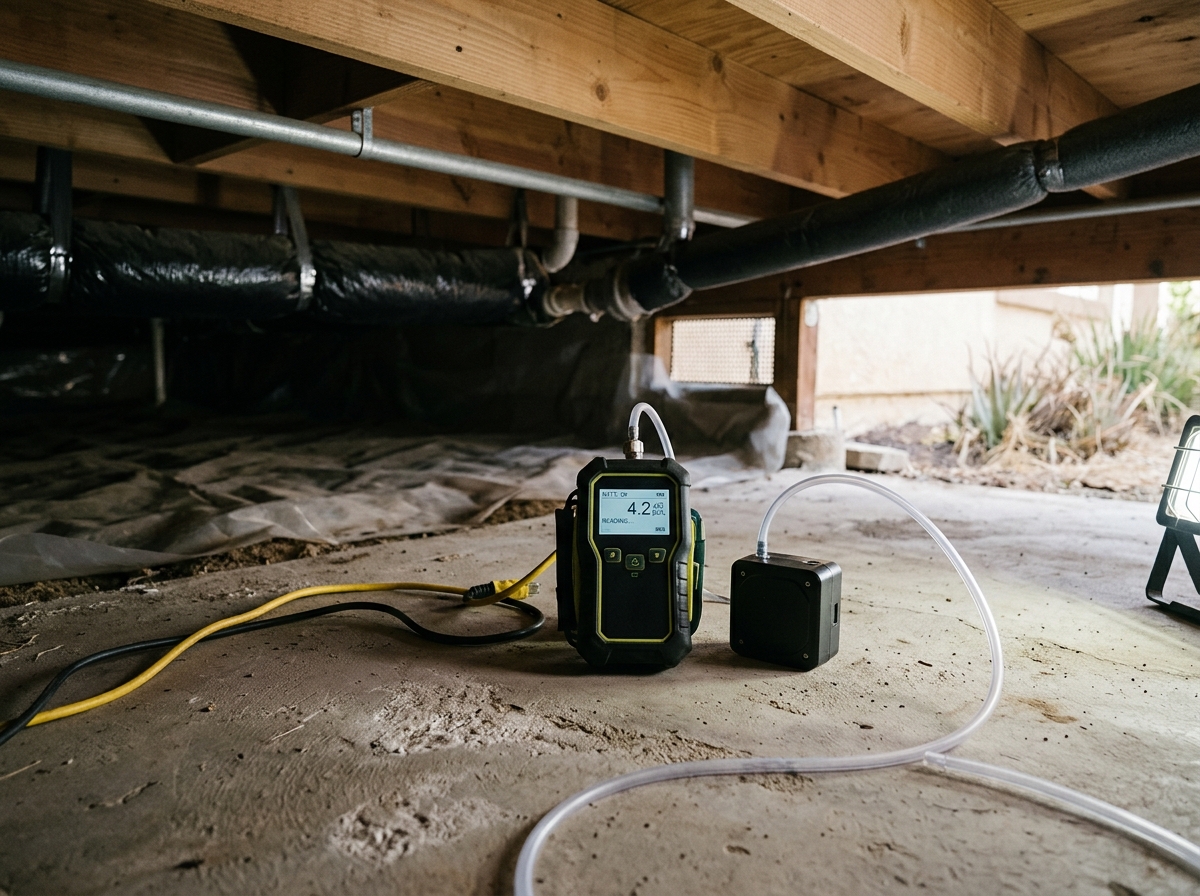
- Full‑scale radon testing and long‑term monitoring. If your short‑term reading is above 4 pCi/L, a certified radon test from Marine One will give you a 90‑day average that reflects real‑world conditions.
- CrawlBot foundation inspection. Our robotic CrawlBot can explore tight crawl‑space corners, locate hidden cracks, and map vent pathways that a visual check might miss.
- Drone roof inspection for vent integrity. A compromised roof vent or attic fan can create a pressure imbalance that drives radon upward. Our FAA‑licensed drone captures high‑resolution imagery without climbing a ladder.
- Mold and air‑quality testing. Elevated radon often coincides with higher moisture levels, especially in homes with pool or spa equipment. We can perform simultaneous mold‑air testing to give you a complete indoor‑air picture.
By leveraging these specialized services, you get a data‑driven plan rather than guesswork. Whether you’re in San Bernardino, Riverside, or the coastal stretch of San Diego, the same science applies, and our local expertise ensures the recommendations fit the regional building stock.
Summer’s heat doesn’t have to mean higher radon levels in your home. If you’ve noticed a change in your detector’s reading, or simply want peace of mind before the next heat wave, reach out to Orlando Martinez at Marine One Property Inspections. We’re happy to answer questions, schedule a short‑term test, or walk you through a full inspection—no pressure, just reliable, local expertise.