
Temecula Seller’s Guide: Pre-Listing Mold Air Testing
By Orlando Martinez · August 16, 2026 · 4 min read
Selling a home in Temecula is competitive, and the last thing any homeowner wants is a surprise during the buyer's inspection that brings the deal to a screeching halt. In my 15 years of performing building inspections across the Inland Empire and San Diego County, I’ve seen few things scare off a prospective buyer faster than the word “mold.”
Often, this fear is unnecessary. A simple musty smell doesn’t always mean a toxic infestation, but without data, buyers will assume the worst. That is why I recommend that sellers consider a Mold Air Quality Test before they even list the property. It is about controlling the narrative and ensuring the closing process is as smooth as a summer evening in Wine Country.
I’m Orlando Martinez, lead inspector at Marine One Property Inspections. With over 30 years of experience as a building and electrical contractor, I’ve learned that transparency is the best policy. Taking a proactive approach to air quality can save you time, money, and a lot of stress.
Avoiding the 11th-Hour Panic
When you accept an offer, the clock starts ticking. The buyer schedules their inspection, and if they find—or think they find—mold, the transaction can enter a volatile negotiation phase. I see this often in older homes throughout Riverside and Anaheim where older plumbing or past roof leaks may have left hidden traces.
If a buyer’s inspector discovers moisture issues or visible fungal growth, they will almost certainly recommend air sampling. At that point, you are in a defensive position. You are rushing to test, negotiate remediation, or potentially lower the sales price while the contingency period clock runs out.
By scheduling a Seller’s Inspection that includes mold air testing upfront, you flip the script. You know exactly what you are dealing with months before the first open house. If the air quality comes back clean, you have a powerful marketing tool. If there are elevated spore counts, you have the luxury of time to hire a remediation professional and fix the issue on your own schedule, without a buyer breathing down your neck.
How Air Testing Works in Our Climate
Many homeowners assume that because we live in the drier regions of the Inland Empire or San Bernardino, mold isn’t an issue. However, our specific microclimate—especially the marine layer that rolls into Temecula valley—combined with irrigation systems and tightly sealed HVAC systems, can create pockets of humidity where mold thrives unseen.
A visual inspection is always the first step, but mold doesn’t always grow where you can see it. It often hides behind drywall or in crawl spaces. This is where Mold Air Quality Testing becomes essential.
The process is straightforward but scientific:
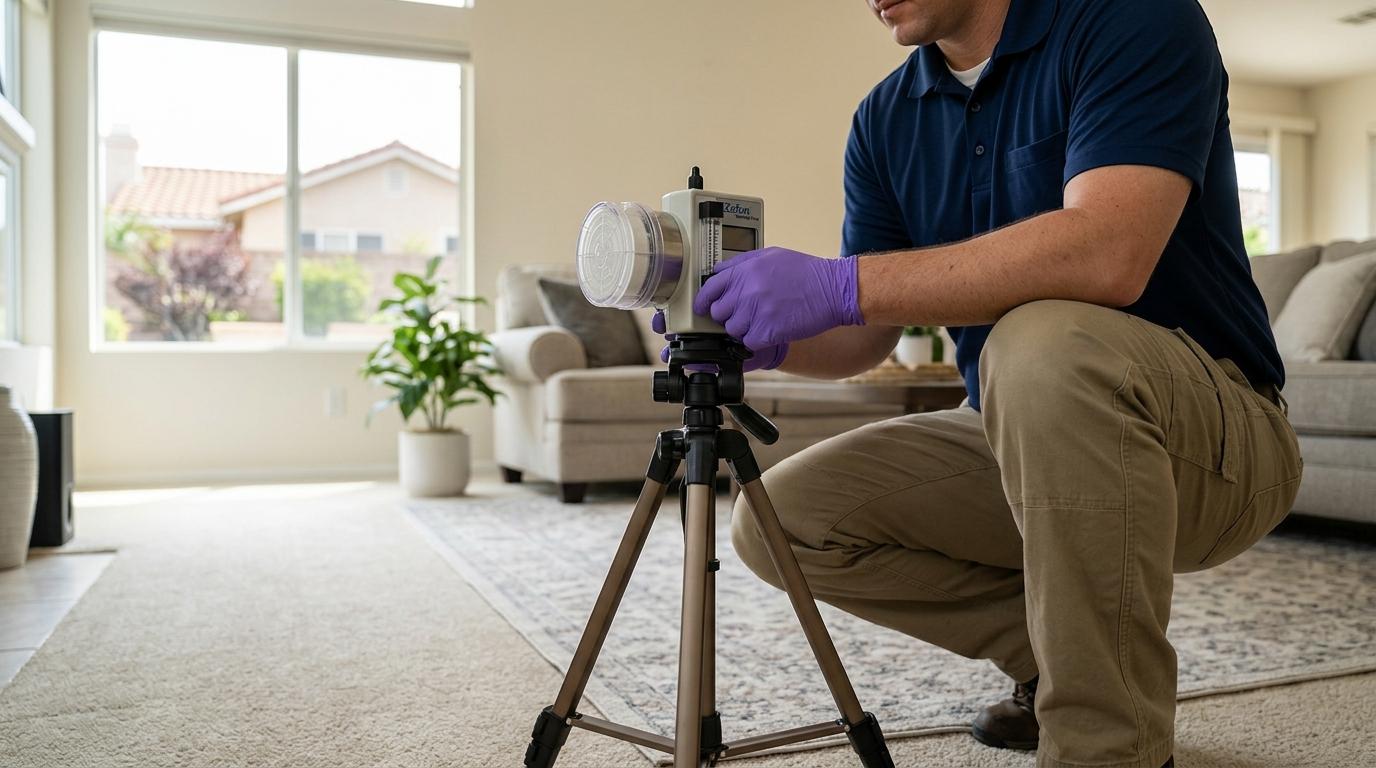
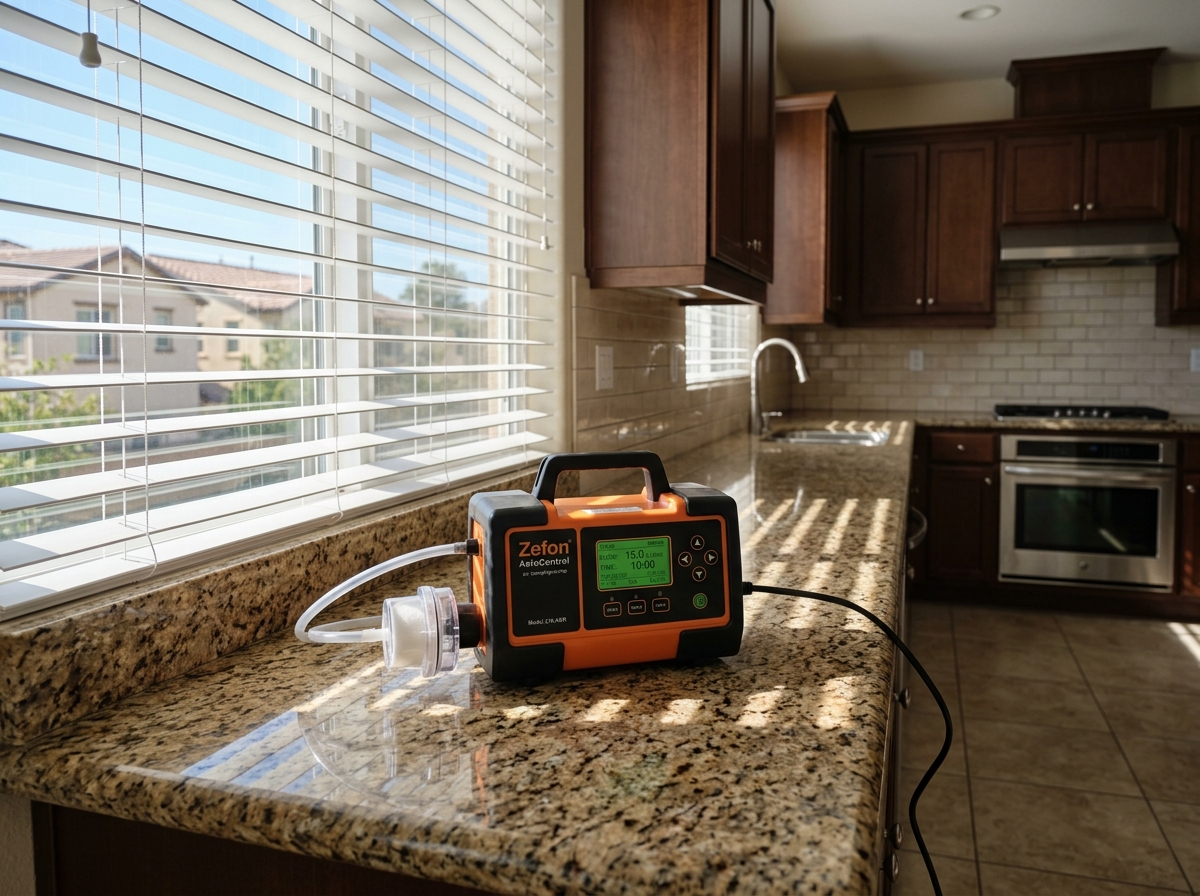
- We use specialized air pumps to capture a known volume of air from specific areas of the home, such as the living room and master bedroom.
- We also take a control sample from the exterior air to establish a baseline for what is normal in your neighborhood.
- These samples are analyzed by an accredited laboratory.
As an InterNACHI® Certified Inspector with specific Mold/Air Testing Certification, I look for the relative concentration of spores inside versus outside. If the indoor count is significantly higher, or if we detect specific types of toxic spores indoors that aren't outside, we know there is an active source within the building envelope.
Interpreting the Data and Next Steps
Receiving the lab report can feel intimidating, but not all elevated results are disasters. It is important to remember that mold is naturally present in our environment. The goal of the test is to identify anomalies.
If the results show normal fungal ecology, you can proceed with confidence. However, if the test indicates an elevation, it doesn’t mean you need to demolish the house. It simply means you need to locate the moisture source—whether it’s a small leak under the sink, condensation from an HVAC unit, or a past roof leak that wasn't properly dried out.
At Marine One Property Inspections, we can often help identify the source of the moisture using Thermal Imaging technology during our inspection. This allows us to see temperature differences behind walls that may indicate active wet spots. Once the source is found and repaired, the affected materials can be cleaned or removed by a qualified remediation specialist.
Please note that while we can identify the presence of mold and moisture, we do not perform remediation ourselves. This ensures you get an unbiased assessment of the home's condition. For specific health concerns regarding mold exposure, it is always best to consult with a medical professional.
Selling a home is a major financial transaction, and in markets like Orange County and Temecula, buyers are discerning. Taking the step to verify your home’s air quality before listing demonstrates a level of care and responsibility that sets you apart.
If you are preparing to list your home and want to ensure there are no hidden surprises, reach out to us. Whether you need a comprehensive Residential Property Inspection, a specific Mold Air Quality Test, or a Drone Roof Inspection to check for hard-to-see leaks, Marine One Property Inspections is here to help.
Give us a call today to schedule your pre-listing inspection. We are happy to walk you through the process and answer any questions you have about your property.