
Winter Rain Readiness Checklist for Temecula Homeowners – Insights from Marine One Property Inspections
By Orlando Martinez · September 21, 2026 · 4 min read
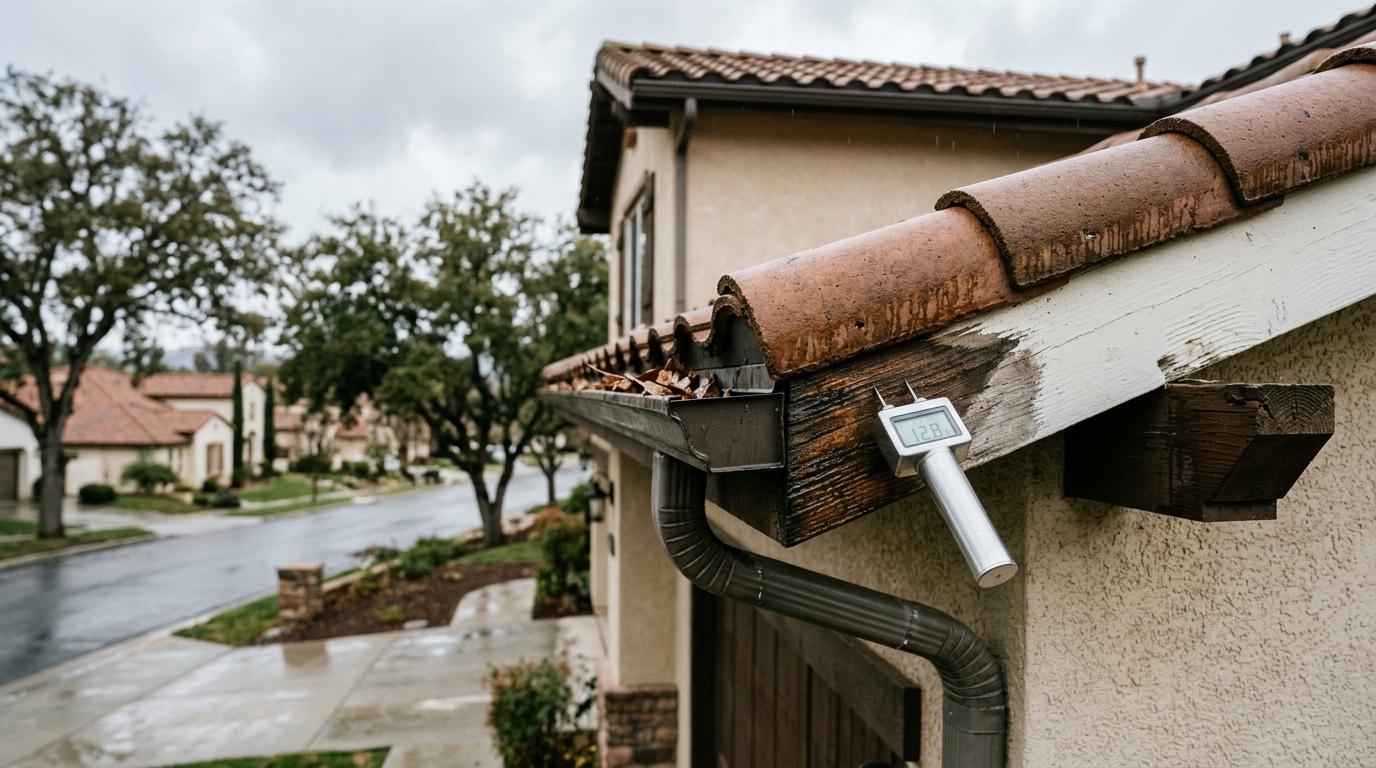
When the Santa Ana winds push cool Pacific air into the Temecula Valley, the summer thunderstorms can give way to a sudden burst of heavy rain in late fall and early winter. Homeowners in Temecula, Riverside, and the broader Inland Empire often see gutters overwhelmed, foundations softened, and basements leaking within a single storm. As a longtime inspector who has walked dozens of neighborhoods from San Diego to Anaheim, I’ve seen the same weak points repeat year after year. The good news is that a focused, pre‑rain inspection can catch the problems before the clouds arrive, saving you time, money, and stress.
Inspect and Clear Your Roof and Gutters
Why the roof matters in a winter rain event
- Roof surface – Heavy rain can expose loose shingles, cracked tiles, or damaged flashing that a visual walk‑over might miss.
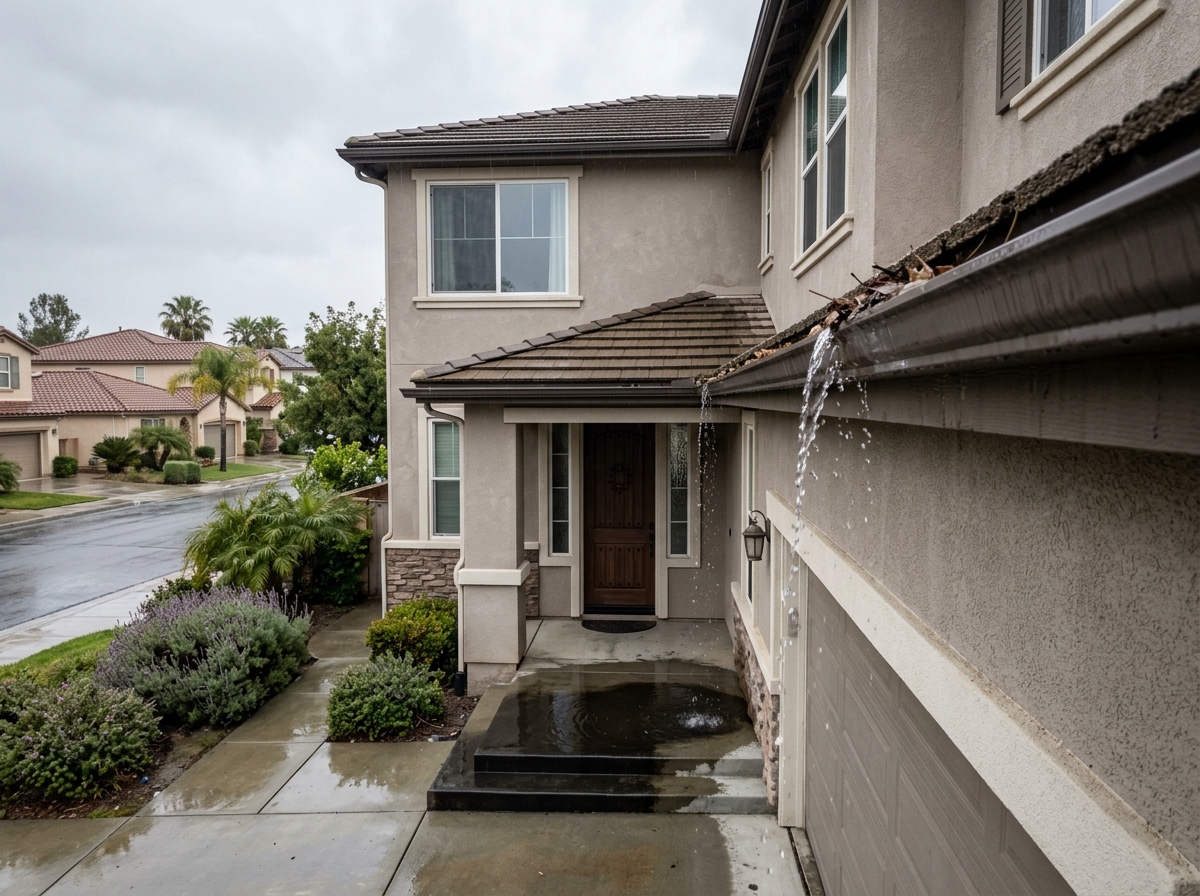
- Gutters & downspouts – A single clogged gutter can redirect water onto the foundation, a common issue in the old ranch‑style homes of Temecula’s historic districts.
What to do
- Clear debris – Remove leaves, pine needles, and any buildup from gutters and downspouts. A garden hose test will show if water flows freely.
- Check for damage – Look for cracked or missing shingles, rusted flashing, and sagging gutters. If you’re unsure, our Drone Roof Inspection can give you a high‑resolution view without climbing on the roof.
- Secure downspout extensions – Direct the discharge at least 6 feet away from the house, especially on sloped lots common in the Wine Country foothills.
If you notice persistent pooling or water streaks on the exterior walls, a quick sewer camera scoping can reveal whether the downspout is blocked further down the line.
Protect Your Foundation and Crawl Space
Foundations under pressure
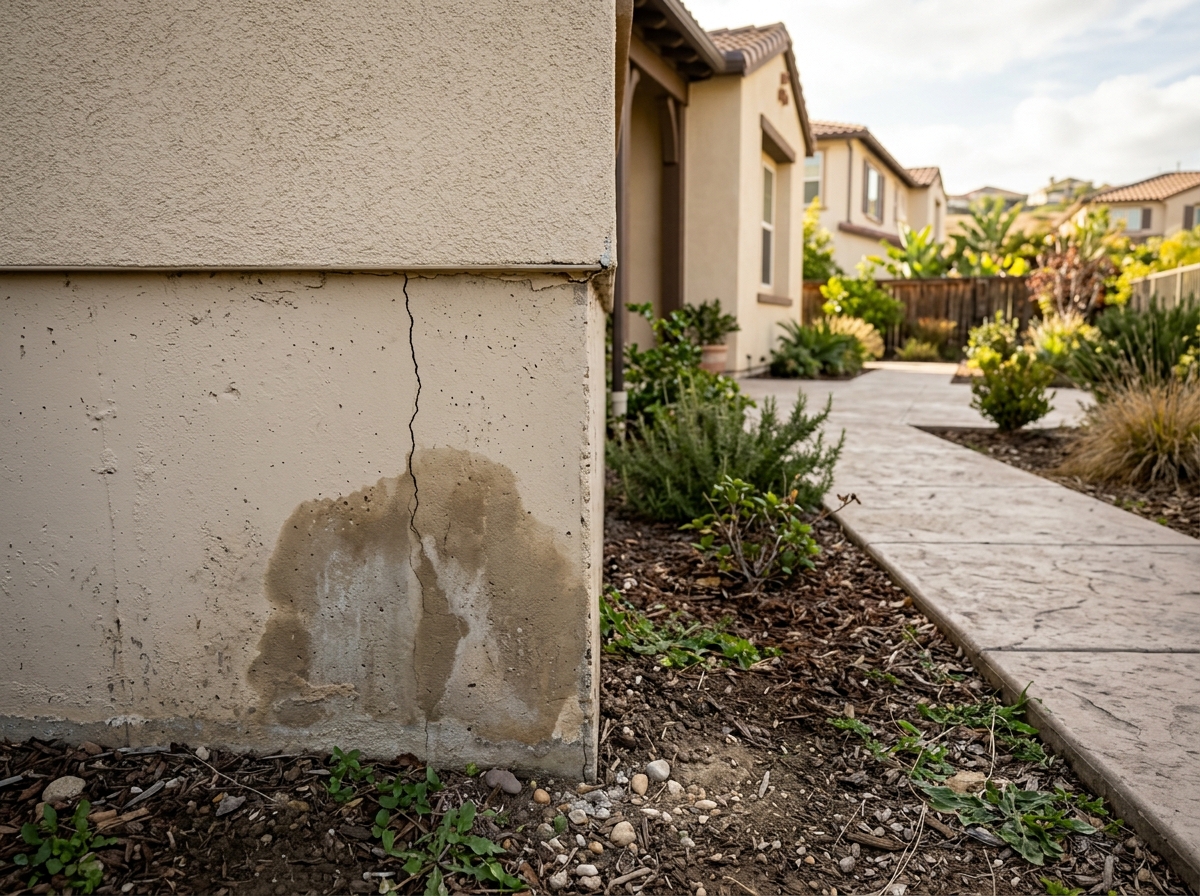
Winter rains can raise the water table, saturating the soil that supports a home’s foundation. In Temecula’s clay‑rich soils, this can lead to subtle shifts that cause hairline cracks to widen over time.
Key actions
- Inspect the exterior grading – The ground should slope away at least 5 percent for the first 10 feet. If you see low spots near the footings, consider adding a French drain.
- Use a CrawlBot inspection – Our CrawlBot can navigate tight crawl‑space openings, spotting moisture stains, mold growth, or compromised support beams that are invisible from the surface.
- Check for water‑entry points – Look for cracks around utility penetrations, basement windows, and slab‑on‑grade walls. Seal any gaps with appropriate epoxy before the next storm.
When you suspect a hidden blockage in a foundation drain, a sewer camera scope can pinpoint the obstruction without invasive digging, a service we often provide for homes in San Bernardino and Orange County.
Check for Water Intrusion Inside the Home
Heavy rain increases humidity, which can drive mold spores into basements, crawl spaces, and even finished rooms. It also raises radon levels in homes built on older soil beds.
Steps for interior safety
- Run a moisture test – Place a moisture meter on interior walls, especially those below grade. Readings above 15 % merit further investigation.
- Schedule a Mold Air Quality Test – Our certified mold testing can identify hidden growth behind drywall or under carpet, a common issue in homes that have experienced previous flooding.
- Consider Radon Monitoring – Rain can temporarily seal cracks, trapping radon gas. A short‑term radon test before the rainy season can alert you to elevated levels that may need mitigation.
- Ventilate – Use exhaust fans in kitchens and bathrooms during and after storms to reduce indoor humidity.
If you notice a musty odor or condensation on windows after a rain event, it’s a sign that moisture is finding its way inside and should be addressed promptly.
Safeguard Outdoor Amenities – Pools, Spas, and Landscaping
Pools and spas are especially vulnerable
In the Temecula‑Riverside corridor, many homes feature in‑ground pools and spas that sit below grade. Heavy rain can overwhelm pool pumps, flood pump rooms, and introduce contaminants into the water.
Preventive checklist
- Cover the pool – Use a sturdy pool cover before the forecasted rain to keep debris out and reduce water load on the pump.
- Inspect pump enclosures – Ensure the pump room is sealed and that any drainage grates are clear. A clogged grate can cause water to back‑up and damage electrical components.
- Check landscaping grading – Swales and berms should direct runoff away from the pool equipment pad. In the hilly neighborhoods of the Inland Empire, improper grading often leads to ponding near the pool.
- Schedule a Pool and Spa Inspection – Our team can evaluate the integrity of liners, tiles, and filtration systems, and advise on any needed repairs before the rainy season.
Remember, standing water around a pool can attract insects and create slip hazards for children and pets.
Next Steps – Get a Professional Inspection Before the Storms Arrive
The best defense against winter rain damage is a proactive inspection. Whether you own a historic Temecula ranch home, a new build in Anaheim, or a multi‑unit property in San Diego, Marine One Property Inspections can tailor a checklist to your specific concerns. Feel free to reach out to Orlando Martinez for a quick conversation about the services that matter most—drone roof surveys, crawl‑space inspections, sewer camera scoping, or indoor‑air testing. A short, scheduled inspection now can give you confidence and a clear plan before the first heavy downpour hits.