
Winter Foundation Care: CrawlBot Tips for Inland Empire Homes
By Orlando Martinez · October 20, 2026 · 4 min read
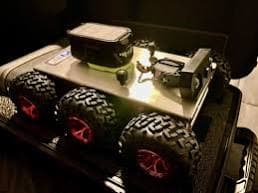
When the first frost clings to the foothills of Temecula, many homeowners start thinking about heating, holiday lights, and snow‑shoveling. A quieter, but equally important, concern is what the cold is doing beneath your home. In the Inland Empire, the winter freeze‑thaw cycle can silently widen foundation cracks, push moisture into footings, and set the stage for costly repairs. As a longtime inspector serving Temecula, Riverside, San Bernardino, and surrounding communities, I’ve seen dozens of homes where a simple CrawlBot inspection in winter caught problems before they spiraled. Below is a step‑by‑step guide to make the most of that technology and protect your property through the cold months.
Why Winter is Critical for Foundations
- Freeze‑thaw pressure: The region’s clay soils expand when they absorb water and contract when they dry. Winter rains followed by sub‑freezing nights create repeated pressure on concrete footings.
- Moisture migration: Snow melt and seasonal rains often pool near a home’s perimeter. Even a small rise in groundwater can seep through cracks, accelerating corrosion of rebar.
- Visible symptoms: Cracks that look stable in summer may appear to grow as the concrete contracts in cold weather. Early detection lets you address the cause—usually drainage or grading—before structural movement occurs.
- Local climate nuance: While coastal San Diego sees milder winters, the Inland Empire’s higher elevation (especially in Riverside and San Bernardino) experiences several nights below 32°F, making winter the most aggressive period for foundation stress.
Understanding these forces helps you prioritize a CrawlBot inspection before spring rains amplify any hidden issues.
What the CrawlBot Finds – Common Issues in the Inland Empire
The CrawlBot is a small, camera‑equipped robot that crawls through foundation access points, delivering high‑resolution video of the interior concrete surfaces. In the Inland Empire, the most frequent findings include:
- Hairline cracks expanding into wider fissures – often visible only a few inches below the slab.
- Moisture stains and efflorescence – signs of water intrusion that can lead to mold growth in crawl spaces.
- Corroded rebar or steel support rods – especially in homes built before the 1990s when moisture barriers were less robust.
- Improper backfill material – loose, uncompacted soil that shifts with temperature changes, creating voids behind footings.
- Blocked or damaged drainage pipes – a clogged sewer line can force water toward the foundation, a problem we also catch with our Sewer Camera Scoping service.
These observations give you a clear picture of where to focus repairs, whether it’s sealing cracks, improving grading, or installing a French drain.
Preparing Your Home for a CrawlBot Inspection
- Clear access points – Remove any stored items, lawn furniture, or debris from crawl‑space doors and utility openings. The robot needs a clear path to navigate.
- Trim vegetation – Roots from mature trees can exert pressure on footings. Trim back any overgrown shrubs within 3 feet of the foundation.
- Check grading – The soil should slope away from the house at least 5% for the first 6 feet. A quick level test in the winter can reveal problematic low spots where water may pool.
- Seal obvious gaps – While the CrawlBot will identify hidden cracks, sealing large gaps around pipes and vents before the inspection can prevent water from entering during the test.
- Schedule during a dry spell – If possible, book the inspection after a recent rain but before a freeze, ensuring the robot can move freely without water pooling in the crawl space.
Following these steps not only makes the CrawlBot’s job easier, it also reduces the likelihood of moisture‑related damage over the coming months.
Next Steps After the CrawlBot Report
After we deliver the video footage and a written summary, consider these actions:
- Targeted sealing – Use epoxy or polyurethane sealants on any cracks the CrawlBot highlighted. For larger fissures, a professional foundation contractor should assess structural implications.
- Improve drainage – If our Sewer Camera Scoping shows a blocked pipe or if water pools near the foundation, install a French drain or regrade the landscape to direct flow away from the home.
- Moisture control – In homes where the CrawlBot detected high humidity, a dehumidifier in the crawl space can keep moisture levels below 60 % and discourage mold growth. Our Mold Air Quality Testing can verify indoor air safety.
- Radon and air quality – Winter can trap radon beneath a sealed foundation. A quick radon test, which we also offer, ensures indoor air remains safe.
- Plan for spring – Use the winter findings to schedule any needed structural repairs before the rainy season begins, when soil movement accelerates.
Remember, a CrawlBot inspection is a diagnostic tool; it does not replace a full structural evaluation if serious issues are identified. Consulting a qualified foundation specialist will provide the definitive repair plan.
If you’re noticing new cracks, damp spots, or simply want peace of mind before the spring thaw, let us help. Orlando Martinez and the Marine One Property Inspections team are ready to run a CrawlBot inspection, review the results, and guide you through the next steps. Feel free to reach out for a no‑obligation quote or to ask any questions about winter foundation care in Temecula, Riverside, or the broader Inland Empire. We’re here to keep your home solid, safe, and comfortable all year long.