
Winter Radon Level Shifts in Riverside Homes – What Local Owners Need to Know
By Orlando Martinez · October 11, 2026 · 4 min read
Winter in Riverside often feels like a gentle chill rather than a deep freeze, but the temperature dip still triggers a silent shift inside many homes. As a homeowner in the Inland Empire, you may notice a faint musty smell or simply wonder why your radon monitor shows a higher reading after the first frost. Orlando Martinez, lead inspector at Marine One Property Inspections, has seen these patterns repeat across Temtem, San Bernardino, and neighboring neighborhoods. This post walks you through the science, the local building quirks, and the practical steps you can take before the next cold snap.
- Radon is a naturally occurring gas that seeps from soil into homes through foundation cracks.
- Even a few degrees of temperature change can alter the pressure balance, pulling more radon inside.
- In Riverside, winter brings lower indoor heating set‑points while the ground stays relatively warm, creating a perfect pressure differential.
Understanding this dynamic helps you decide when to schedule a radon test and what to expect from a professional inspection.
Why Radon Moves in Winter
The Pressure‑Differential Effect
When outdoor temperatures drop, the warm interior air inside a house rises and escapes through vents, windows, and any small gaps. This creates a slight vacuum that draws the heavier, soil‑borne radon upward through foundation cracks, floor‑joists, or utility penetrations.
Seasonal Ventilation Changes
Many Riverside homeowners close windows and reduce attic ventilation to conserve heat. While this conserves energy, it also reduces the natural airflow that would otherwise help disperse radon concentrations.
Ground‑Temperature Lag
Even though Riverside’s winter is mild, the ground retains heat longer than the air. This lag means the soil beneath the slab can stay warm while the house interior cools, maintaining the pressure draw for radon.
These three factors combine to raise indoor radon levels during the colder months, often by 20‑30 % compared with summer readings. The increase is not a guarantee for every home, but it is a well‑documented trend that local inspectors, including Orlando Martinez, watch closely during winter inspections.
Riverside Home Characteristics That Amplify the Issue
Riverside’s housing stock is a mix of mid‑century ranches, newer split‑level builds, and sprawling single‑family homes with basements or crawl spaces. Several common features can make radon infiltration more likely during winter:
- Foundation Type: Concrete slab foundations with minimal cracks can still allow radon entry through expansion joints or utility penetrations.
- Basement Sealing: Older homes often have partially sealed basements where radon can accumulate unnoticed.
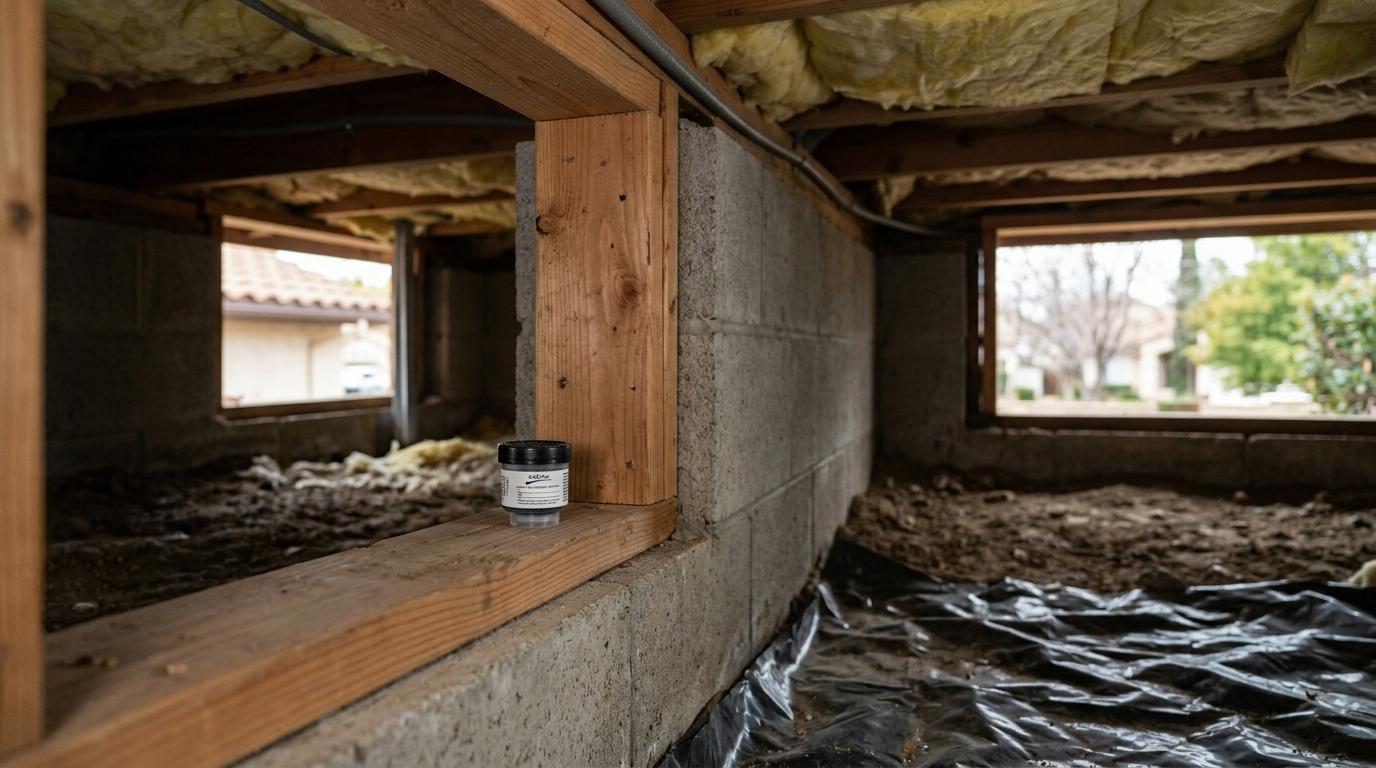
- CrawlBot‑Ready Areas: Homes with crawl spaces that lack proper vapor barriers may see higher radon levels when the air gets cooler.
- Ventilation Systems: Homes that rely on forced‑air heating without adequate makeup air can create a stronger draw on the soil.
In the Temecula foothills and the surrounding Inland Empire, these characteristics appear frequently, making targeted radon testing essential each winter.
Image Description: a concrete slab foundation view showing a small expansion joint and a sealed utility pipe entry, illuminated by a winter morning light in a Riverside suburban neighborhood.
Testing and Monitoring – What to Expect in a Winter Inspection
When you call Marine One Property Inspections, Orlando Martinez will schedule a radon testing and monitoring service that reflects the seasonal dynamics:
- Short‑Term Test Placement: A radon detector is placed in the lowest lived‑in level (often a basement or crawl space) for a minimum of 48 hours. Winter testing periods are extended to capture the peak pressure differential.
- Continuous Monitoring Option: For sellers or owners seeking ongoing data, we install a calibrated monitor that logs hourly readings throughout the heating season.
- Detailed Reporting: Results are presented with contextual guidance—comparing your values to the EPA’s 4 pCi/L action level and noting any seasonal spikes.
- Follow‑Up Recommendations: If levels exceed the action threshold, we discuss mitigation options, such as sub‑slab depressurization, and can coordinate with licensed radon mitigation contractors.
Our radon testing service is part of a broader inspection package that can include drone roof inspection, thermal imaging, and even mold air quality testing, giving you a comprehensive view of indoor environmental health.
Image Description: a compact radon test device sitting on a low concrete step beside a foundation wall, with a small frost pattern on the concrete edge, captured in a Riverside home during a clear winter day.
Mitigation Tips for Homeowners Before the Cold Sets In
Even if your winter radon test comes back below the EPA action level, taking proactive steps can keep future readings low:
- Seal Cracks and Gaps: Use a polyurethane sealant on visible foundation cracks, utility penetrations, and floor‑joist gaps.
- Improve Ventilation: Install a heat‑recovery ventilator (HRV) or ensure your forced‑air system brings in adequate outside air.
- Maintain Crawl Space Barriers: If you have a crawl space, verify that the vapor barrier is intact and that vents are closed during heating season.
- Check HVAC Filters: Replace filters regularly; clogged filters can increase interior pressure changes that draw radon inward.
- Schedule Annual Re‑Testing: Radon levels can fluctuate yearly. A repeat test in the next winter helps you track any changes.
By incorporating these measures, Riverside homeowners can reduce the likelihood of elevated radon and protect their families’ long‑term health.
If you’re buying, selling, or simply want peace of mind, a professional radon test from Marine One Property Inspections provides the data you need to make informed decisions.
Ready to take the next step?
Orlando Martinez and the Marine One Property Inspections team are here to help you understand your home’s radon profile and address any concerns before the winter chill deepens. Whether you need a single radon test, a full residential inspection, or an added drone roof survey, we’ll walk you through the process, answer your questions, and provide a clear, written report.
Feel free to reach out for a no‑obligation consultation, schedule a winter radon inspection, or simply ask about the best practices for maintaining good indoor air quality in Riverside and the surrounding areas. Your home’s safety is our priority—let’s keep the air you breathe clean together.