
Winterizing Your Riverside Pool: Practical Tips from Marine One Property Inspections
By Orlando Martinez · September 16, 2026 · 4 min read
Riverside’s winter can be deceptively mild—clear skies, occasional frosts, and those rare low‑temperature spikes that catch pool owners off guard. As an inspector who’s seen pools in Temecula, San Diego, and the Inland Empire go from sparkling summer oases to cracked, water‑logged pits, I know the stakes. A simple oversight can lead to costly repairs, especially with the region’s hard water and the occasional freeze‑thaw cycle. In this guide, I’ll walk you through the essential steps to winterize your pool, why each matters, and how Marine One Property Inspections can help you verify that the job is done right.
1. Clean and Balance the Water Chemistry
Clean and Balance the Water Chemistry
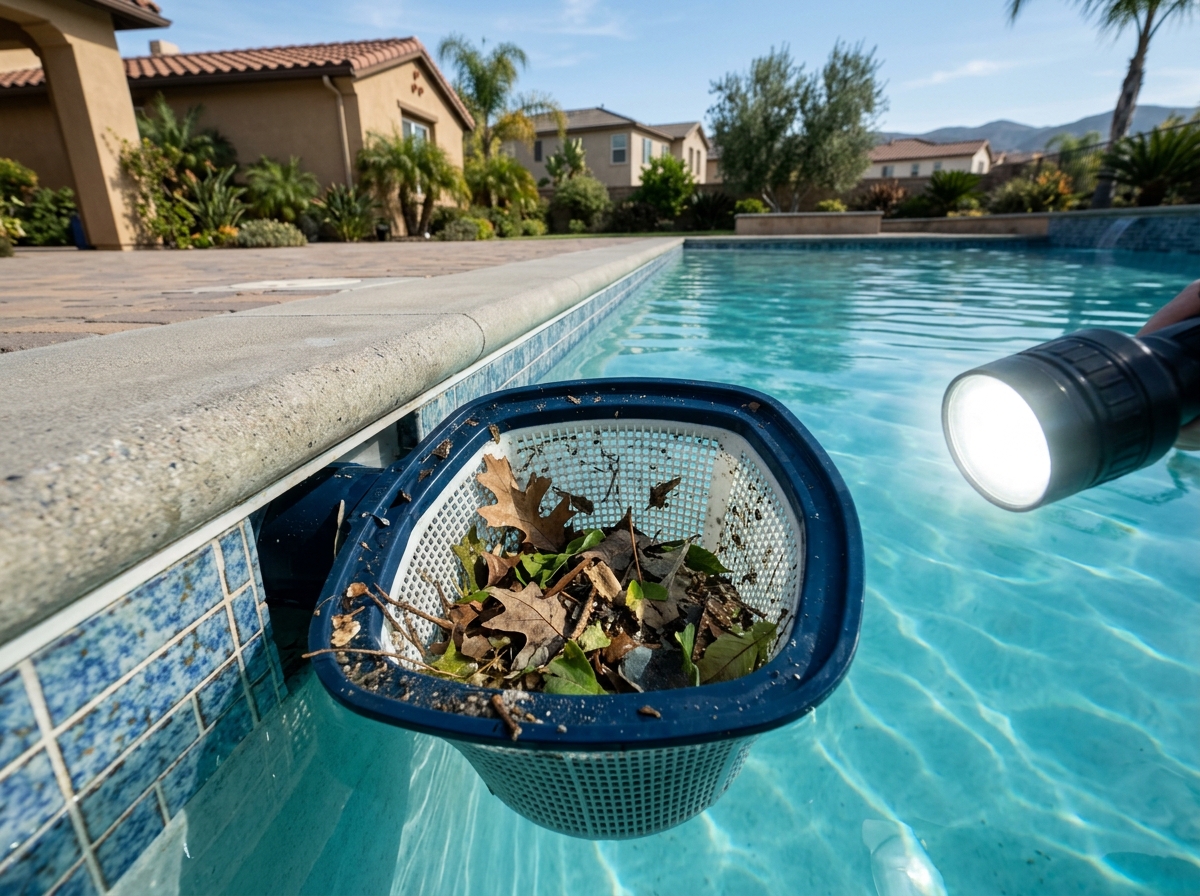
- Remove debris – Skim the surface, vacuum the floor, and clean the skimmer baskets. Leftover leaves or algae can decompose under ice, creating acids that attack pool surfaces.
- Test and adjust – Use a reliable test kit (or have us perform a Mold Air Quality Test if you’re concerned about indoor humidity after covering). Aim for a pH of 7.2‑7.4 and alkalinity around 80‑120 ppm. Proper balance prevents corrosion of metal fittings when temperatures dip.
- Shock the pool – A chlorine shock eliminates lingering bacteria, reducing the chance of unpleasant odors when the cover is on.
These steps are especially important for Riverside’s older concrete pools, many built in the late‑1990s, where the plaster can be porous. A clean, chemically balanced water column reduces the risk of staining and surface degradation over the winter months.
2. Lower the Water Level and Protect the Equipment
Lower the Water Level and Protect the Equipment
- Drain to the skimmer – Reduce the water level to just below the skimmer inlet. This prevents water from freezing inside the plumbing, which can cause cracks in PVC or metal components.
- Winterize the pump and heater – Turn off the pump, remove the filter, and store it in a dry place. If you have a gas heater, follow the manufacturer’s shutdown procedure and consider a professional inspection of the venting system.
- Cover the return lines – Plug the return jets with winterizing plugs (available at local hardware stores). This stops water from circulating and freezing in the lines.
When I’m on a CrawlBot Foundation inspection for a Riverside home, I often find water pooling near the pool equipment pad—a sign that the drainage isn’t handling winter runoff. A quick visual check can save you from hidden foundation stress later.
3. Install a Quality Pool Cover and Secure It
Install a Quality Pool Cover and Secure It
- Choose the right cover – Solid winter covers made of reinforced vinyl or mesh are ideal for Riverside’s occasional freeze‑thaw cycles. Mesh covers let water drain while keeping debris out, whereas solid covers provide insulation against cold air.
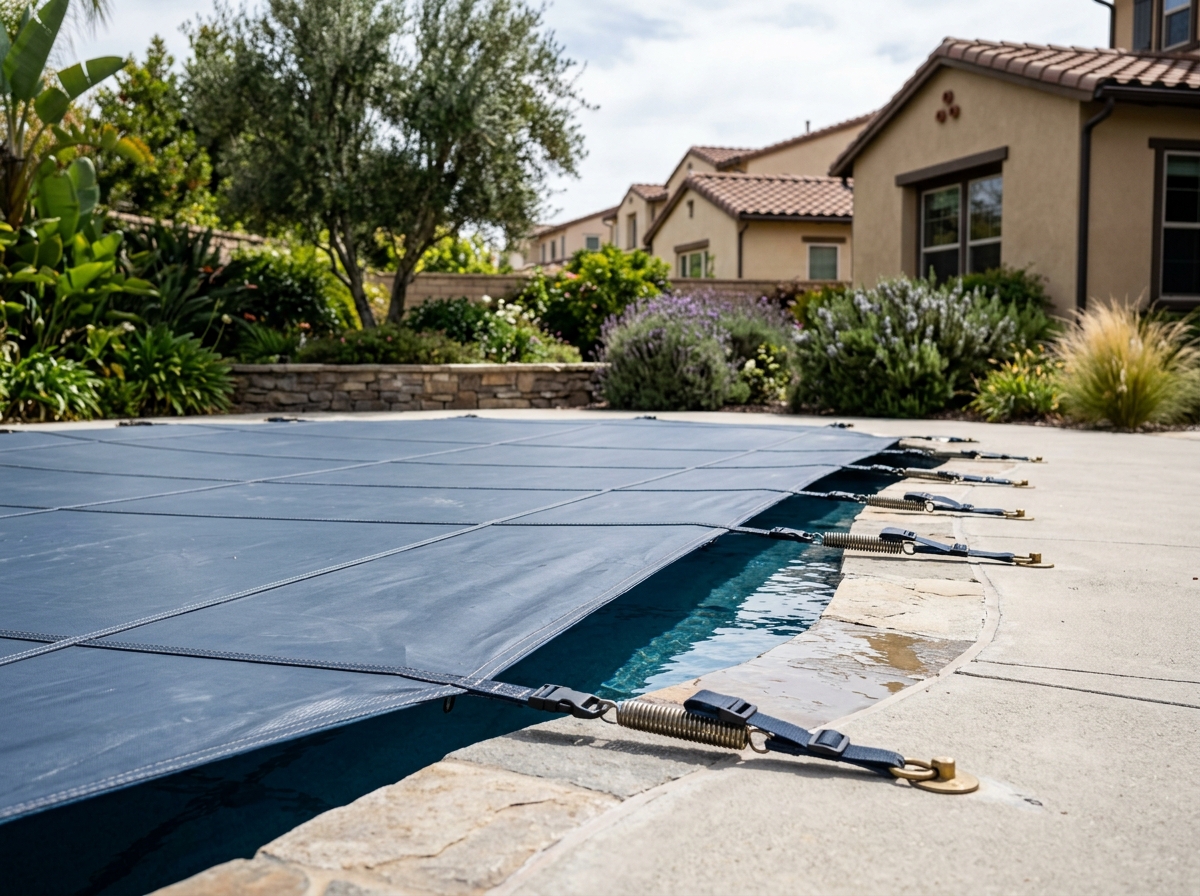
- Secure with straps – Use the cover’s built‑in straps or add extra tie‑downs to prevent wind from lifting the cover. In the Inland Empire, strong gusts can snap a loosely fitted cover, exposing the pool to falling leaves and rain.
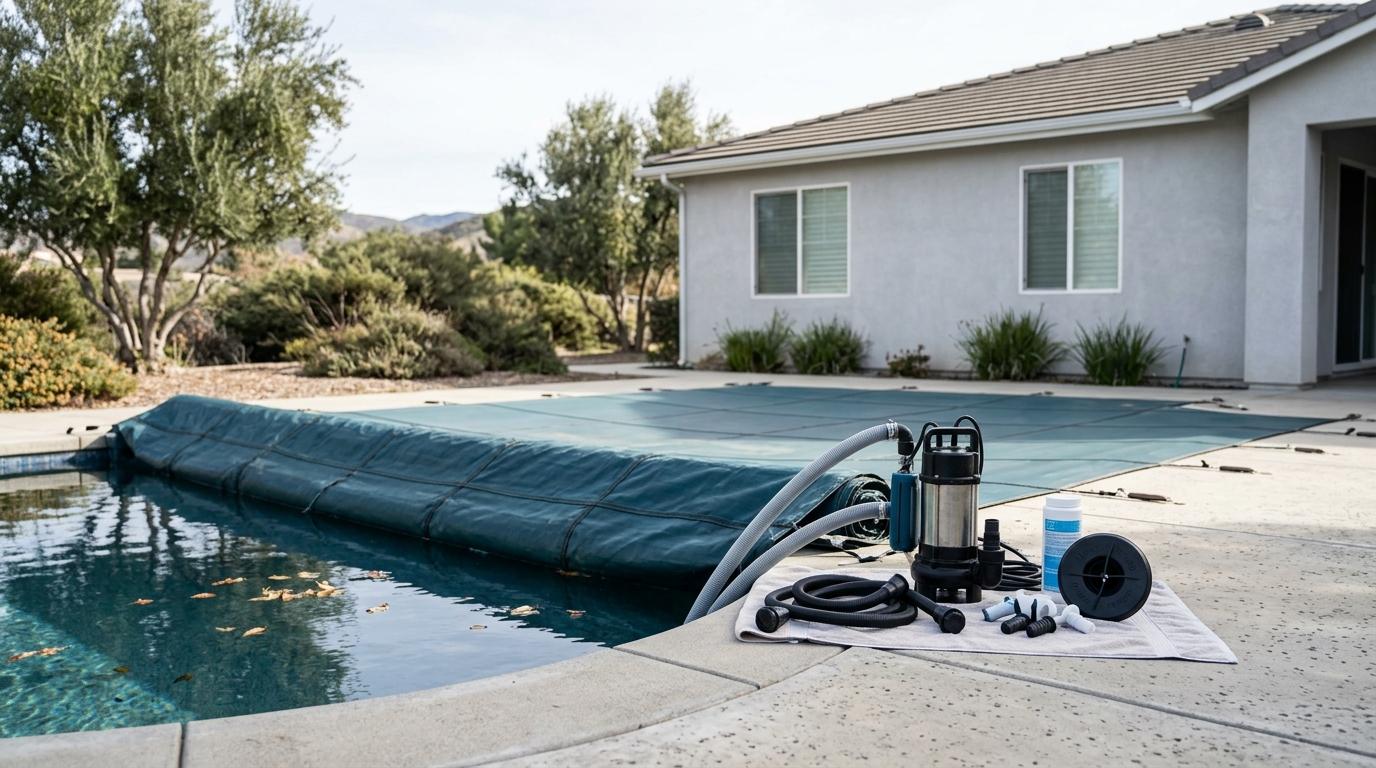
- Add a cover pump – A small cover pump can remove standing water that collects on top of the cover, preventing added weight and potential tearing.
A well‑installed cover not only protects the pool surface but also reduces the workload for your Drone Roof Inspection later in the spring, as it limits debris that can fall onto the roof from the pool area.
4. Schedule a Professional Inspection Before Closing the Season
Schedule a Professional Inspection Before Closing the Season
Even with a diligent DIY approach, a qualified inspector can spot issues that aren’t obvious to the homeowner:
- Sewer Camera Scoping – Detect hidden blockages or cracks in the pool’s drainage lines before you seal them up.
- Radon and Mold Testing – If you’re covering a pool area that shares a wall with a home, moisture can migrate, creating mold‑prone conditions. A quick radon or mold air quality test can flag indoor air concerns early.
- Thermal Imaging – Using a thermal camera, we can identify cold spots on the pool shell that may indicate early cracking or insulation gaps.
Our Multi‑unit and Commercial work experience in Riverside and Orange County gives us a broader perspective on how pool systems interact with the surrounding structures, ensuring you head into winter with confidence.
5. Keep an Eye on the Weather and Plan for Early Thaw
Keep an Eye on the Weather and Plan for Early Thaw
Riverside winters are known for sudden warm spells. When temperatures rise above 55 °F for several days, start preparing to reopen:
- Remove the cover gradually – Let any meltwater drain before fully removing the cover to avoid sudden influx of water.
- Check for leaks – Look for any new cracks or seepage around the pool shell and surrounding patio.
- Restart the pump and filter – Turn the pump back on, reinstall the filter, and run the system for a few hours to clear any residual debris.
If you notice any unexpected water loss or structural movement, a quick CrawlBot inspection can determine if the foundation is being affected by the pool’s water level changes.
Take the Next Step: Let Marine One Help You Winterize with Confidence
Winterizing a pool in Riverside doesn’t have to be a gamble. Whether you’re a homeowner preparing for a seasonal pause or a seller wanting to protect your investment, the right preparation can save you time, money, and headaches. If you’d like a professional eye on any of the steps—especially the sewer lines, cover integrity, or overall pool condition—reach out to me, Orlando Martinez, at Marine One Property Inspections. We’re happy to answer your questions, schedule a quick inspection, or provide a detailed checklist tailored to your property. Let’s keep your pool ready for spring, safely and efficiently.