
Year-Round Pool and Spa Maintenance for Inland Empire Homes
By Orlando Martinez · August 13, 2026 · 4 min read
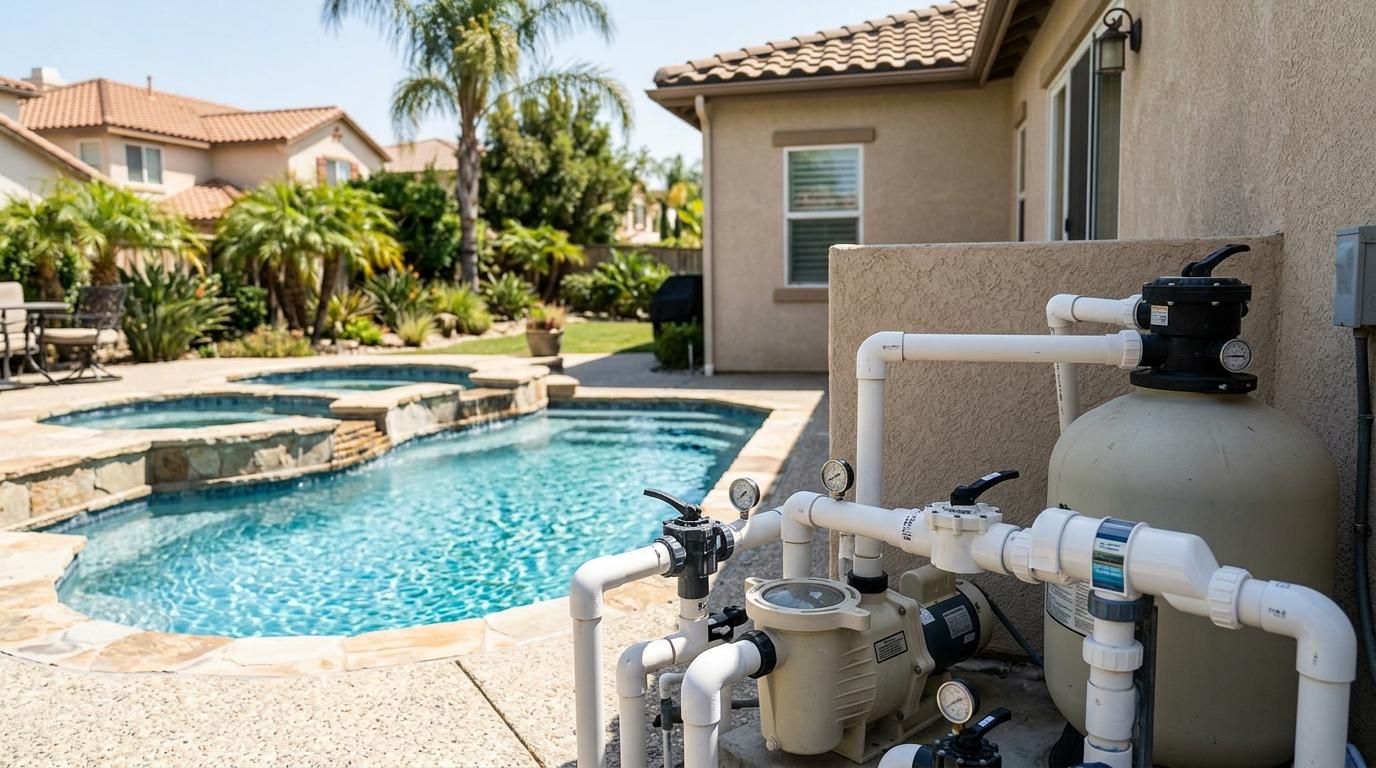
Living in the Inland Empire, we all know that a pool or spa isn’t just a luxury—it is practically a necessity during our scorching summers. Whether you are in Riverside, Temecula, or out toward San Bernardino, that backyard oasis is the heart of the home. However, I have seen too many homeowners treat their pools as "install it and forget it" systems, only to face expensive repairs when the seasons change.
As a licensed home inspector with Marine One Property Inspections, I spend a lot of time looking at aquatic systems, not just during dedicated Pool and Spa Inspections, but during standard residential inspections as well. The climate here swings from triple-digit heat to surprisingly chilly nights, and that fluctuation takes a toll on equipment, plaster, and plumbing. With over 30 years in the building and construction trades, I have learned that a little foresight goes a long way. Here is how to protect your investment year-round.
## Winterizing: It’s Not Just for Cold Climates
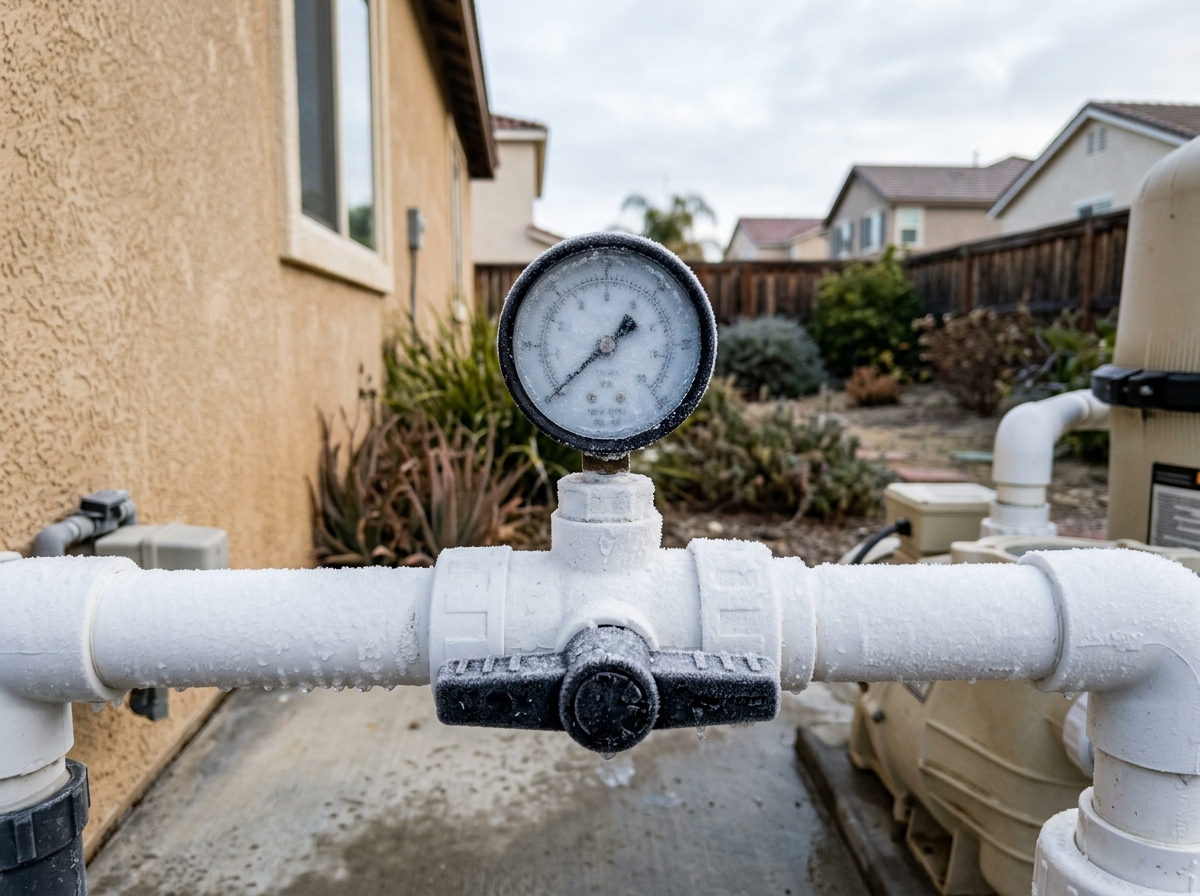
We may not get the brutal freezes of the East Coast, but residents in Temecula and surrounding areas know that winter nights can dip low enough to cause trouble. The specific risk here isn't a deep freeze of the main pool volume, but rather the exposure of above-ground equipment to wind and low temperatures.
Protect Your Exposed Plumbing
When the mercury drops, the water in your pump, filter, and heater can expand. If you have PVC piping exposed above ground, especially on older homes in Riverside or Orange County, inspect it for cracks before winter sets in.
- Run the pump: During a cold snap, keep your pump running. Moving water freezes much slower than stagnant water.
- Drain equipment: If you plan to be away for a few weeks during the winter, drain the pump, filter, and heater.
Manage Water Levels
Winter rains can be heavy in our region. If your pool is already full, a downpour can cause floodwater to wash debris and dirt right into your pristine water. Keep an eye on the water level and ensure your deck drains are clear of leaves so overflow can escape properly.
## Managing the Scorching Summer Heat
Conversely, the intense sun in the Inland Empire is your pool’s biggest enemy during July and August. High temperatures accelerate evaporation and burn off sanitizer rapidly. I often see pools in Anaheim and San Diego that turn green overnight simply because the chlorine demand spiked due to a heat wave.
Monitor Chemicals Frequently
During peak summer, you cannot rely on a "set it and forget it" approach for chemicals.
- Test often: Check your chlorine and pH levels at least twice a week when it is over 90 degrees.
- Stabilizer is key: Cyanuric acid (CYA) acts as sunscreen for your chlorine. Without it, the sun will burn off the sanitizer in hours.
Watch for Evaporation
It is normal to lose water to evaporation, but losing an inch or two a day can signal a leak. If you find yourself constantly adding the hose to the pool in Riverside or San Bernardino during August, it might be time for a professional pressure test to rule out a plumbing leak.
## Equipment Safety and Electrical Integrity
This is the area where my background as an electrical contractor really comes into play. Water and electricity are a dangerous combination, and I frequently find issues during home inspections that the homeowner never noticed.
GFCI Protection
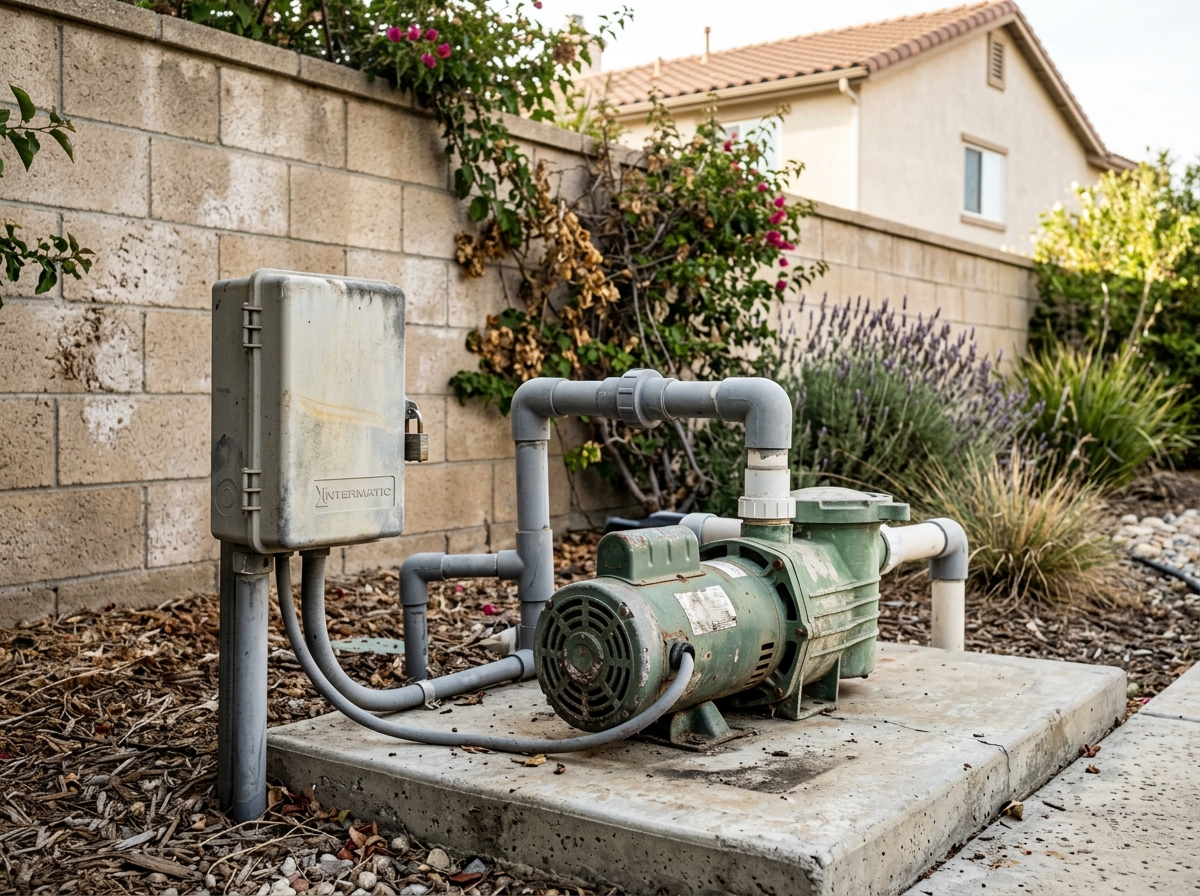
All your pool equipment—pumps, lights, and outlets—must be protected by Ground Fault Circuit Interrupters (GFCI). These devices save lives by cutting power if a fault is detected. If your GFCI outlets are tripping frequently, do not just ignore them or tape them down; that is a sign of a dangerous issue that needs an electrician.
Bonding and Grounding
In older housing stock, particularly in established neighborhoods of the Inland Empire, I sometimes see missing or corroded bonding wires. This bonding system connects all the metal components (ladders, dive stands, pump motors) to the ground to prevent electrical shock. If you see bare copper wire running around the pool deck, do not cut it—that is your safety system.
Drone and Thermal Inspections
Sometimes, roof leaks or plumbing issues affect the pool area in ways you can't see from the ground. We utilize Drone Roof Inspections and Thermal Imaging to identify heat loss in pipes or moisture intrusion that might be compromising the structure around your pool deck.
## Structural Integrity: Tile and Deck
The expansion and contraction of our soil—common in areas like Temecula and the surrounding valleys—can cause movement in your pool deck and shell.
Check for "Hollow" Tiles
Tap the tiles along the water line periodically. If they sound hollow, the thin-set behind them has failed. Water gets behind these tiles, freezes in winter, and pops them off. Re-grouting or re-tiling early saves the beam of the pool from long-term water damage.
Deck Drainage
Ensure water flows away from the pool and toward the yard drains. Standing water against the pool shell can soften the soil and lead to structural cracks. If you notice your deck slumping or pulling away from the pool edge, call a structural engineer or a specialized inspector immediately.
Owning a pool in the Inland Empire is a wonderful lifestyle, but it requires a vigilant eye to keep it safe and efficient. Whether you are buying a home with an existing pool, preparing to sell, or just want peace of mind, a professional evaluation is invaluable.
At Marine One Property Inspections, we go beyond the surface. From Pool and Spa Inspections to advanced services like Sewer Camera Scoping and Mold Air Quality Testing, we are here to help you understand the condition of your property. If you have questions about your pool equipment or need a comprehensive inspection in Riverside, San Diego, or Orange County, reach out to us today. We are here to help you navigate homeownership with confidence.